
Cold Lake First Nations Challenge Pacific Link National Interest Designation

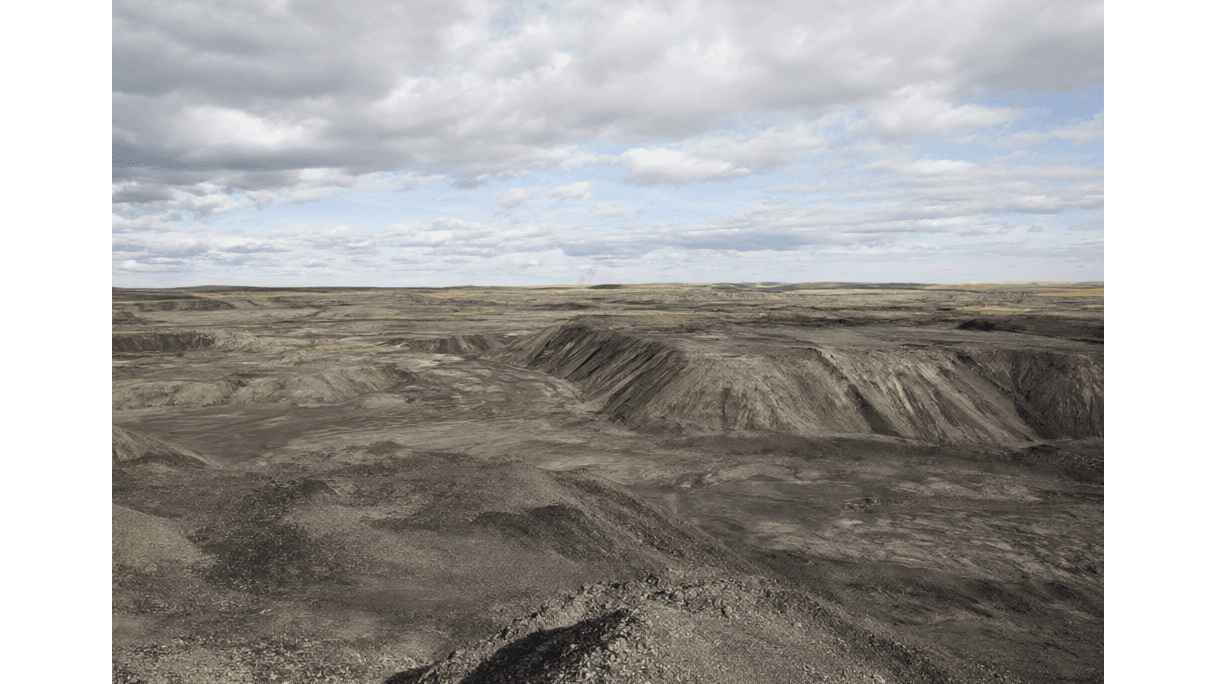
AI-generated image · Bay Street Wire
A Federal Court application seeks to quash the fast-tracking of an Alberta-to-B.C. pipeline, alleging a breach of treaty rights and a lack of consultation.
As first reported by CityNews Toronto, Cold Lake First Nations has asked the Federal Court for a judicial review to challenge Ottawa's decision to label the Pacific Link pipeline a project in the national interest.
The legal challenge follows an announcement last week by Prime Minister Mark Carney and Alberta Premier Danielle Smith to fast-track the pipeline from Alberta to British Columbia under the Building Canada Act. The government intends to finalize reviews and consultations within a year to allow construction to start in September 2027.
In the application, lawyers for Cold Lake First Nations argue the designation is inconsistent with the honour of the Crown and breaches Canadian law. The group asserts that increased oilsands production would negatively impact the Luechogh Tue Denesuline way of life guaranteed by Treaty no. 6, and claims Canada has failed to mitigate the cumulative effects of development on treaty rights. Chief Kelsey Jacko previously told The Canadian Press that his community, located in the oilsands region, was excluded from consultations regarding the designation.
The Cold Lake First Nations is requesting that the court quash the national interest designation and rule that Canada has a duty to consult the community. Separately, the Assembly of First Nations told The Canadian Press it has identified "many red flags," suggesting the federal government is approving projects before conducting meaningful consultations and predetermining outcomes.
Prime Minister Carney has stated that his major projects agenda will not interfere with Canada's obligations under the United Nations Declaration on the Rights of Indigenous Peoples.