
Canada Loses $2 Million in Emergency Drug Stockpile Due to Freezer Failure

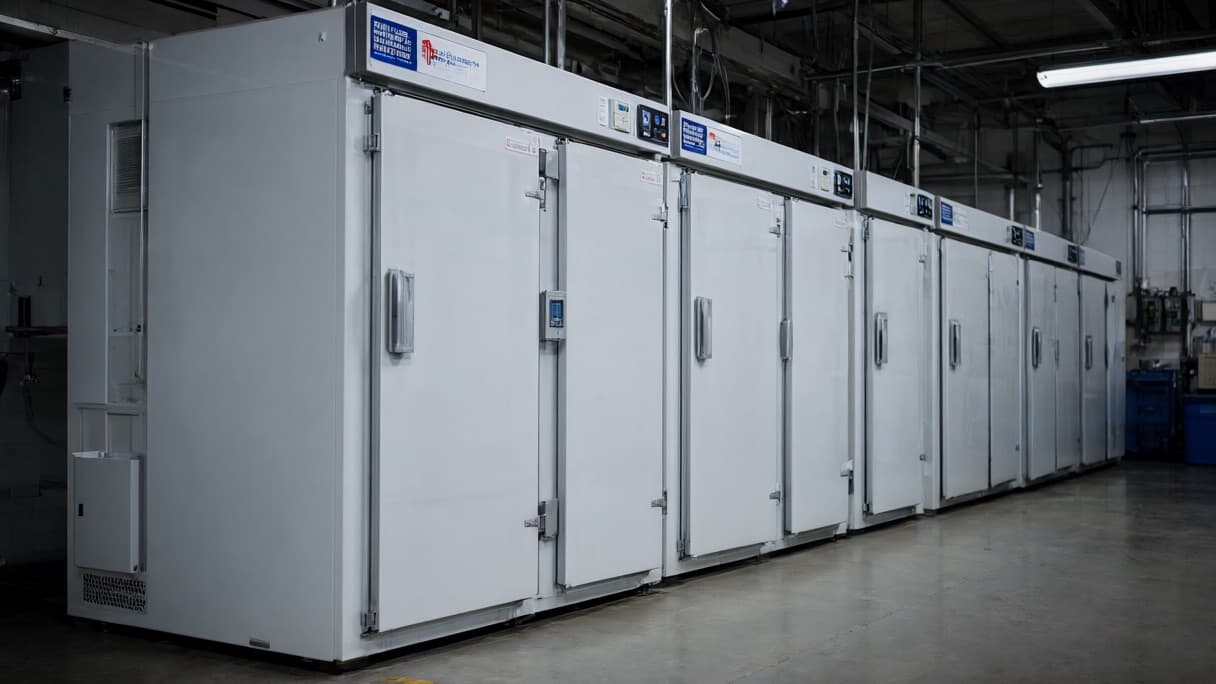
AI-generated image · Bay Street Wire
The Public Health Agency of Canada reports a second consecutive year of pharmaceutical losses caused by mechanical failures in its national emergency stockpile.
The Public Health Agency of Canada has reported the loss of $2 million in pharmaceuticals from the national emergency stockpile following a mechanical freezer failure, according to reporting from CityNews Toronto. The loss, detailed in annual federal public accounts, occurred because a freezer failed to maintain required temperatures, forcing the disposal of a drug treatment used for biological threats.
Health Canada spokesperson Hélène-Annie Lavoie stated that an internal investigation identified the cause of the malfunction and that new measures have been implemented to prevent future occurrences. Lavoie noted that Canada's ability to respond to potential threats was not compromised because the stockpile maintained another treatment. For national security reasons, the agency declined to disclose the specific drug inventory lost, citing the need to protect operational details regarding responses to chemical, biological, radiological, or nuclear threats.
This incident follows a significant loss in December 2024, when The Canadian Press reported that an open freezer door led to the write-off of $20 million in medications. According to a report from the Office of the Auditor General issued in October, the agency has written off more than $331 million in damaged or expired medical supplies. A spokesperson for the Auditor General confirmed that both the $20 million and $2 million freezer-related losses are included in that total.
The national stockpile consists of warehouses across Canada designed to store vaccines, medical supplies, and emergency equipment. Originally established during the Cold War for nuclear emergencies, the system now responds to bioterror attacks, natural disasters, and disease outbreaks, including COVID-19 and SARS.