
Beyond the Spotlight: Will Celebrity Endorsements Decide Toronto's Mayor?

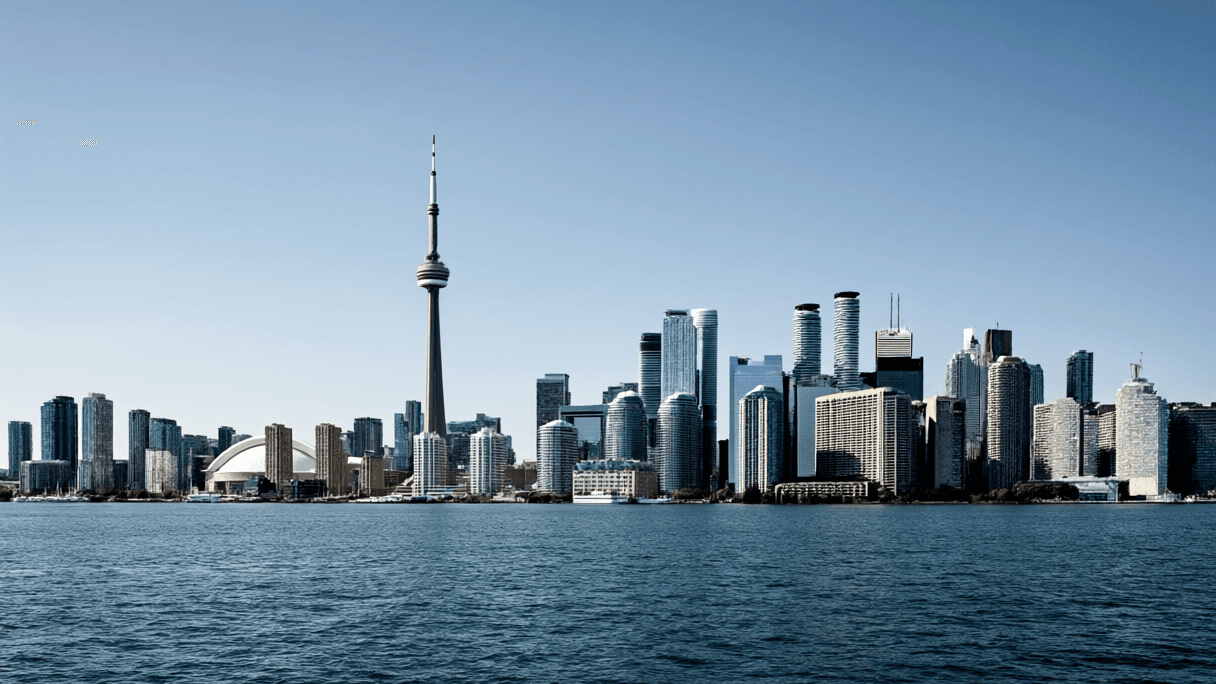
AI-generated image · Bay Street Wire
As high-profile names join the fray in the race between Olivia Chow and Brad Bradford, analysts suggest that while stars create momentum, voters are looking deeper into values and concrete plans.
Q: How significant are the celebrity endorsements currently appearing in the Toronto mayoral race?
A: While high-profile names grab attention, they are unlikely to be the sole deciding factor. As CBC Toronto first reported, Blue Knox, a political strategist and former director of communications for John Tory, notes that a campaign is not won or lost on a single endorsement. Instead, these figures serve as a "proxy for values" for many voters. For example, Brad Bradford has secured the support of Geddy Lee from Rush, while Olivia Chow has the backing of Jim Cuddy from Blue Rodeo.
Q: If celebrities don't guarantee a win, what purpose do these endorsements serve for candidates like Olivia Chow and Brad Bradford?
A: Endorsements help candidates signal momentum and expand their reach. Harneet Singh, managing principal of EOK Consults, told CBC Toronto that stacking endorsements suggests progress and helps a candidate demonstrate they are not catering to just one side of a political coalition. This is particularly relevant for Brad Bradford, who seeks to show broad appeal by securing support from both Conservative and Liberal MPs. Blue Knox added that a steady stream of endorsements creates the impression of a "winning team," which is vital for motivating volunteers and supporters.
Q: Beyond celebrities, what other types of endorsements are shaping the race?
A: Both candidates are targeting specific organizational blocks to motivate voters. CBC Toronto reports that Olivia Chow has gained support from several unions, including the construction union LIUNA Local 183. Meanwhile, Brad Bradford has utilized a dedicated section of his website to list support from local businesses and current and former politicians. Blue Knox notes that voters often look to these specialized groups—such as education organizations or local Boards of Trade—to help them decide which candidate aligns with their specific priorities.
Q: How does the split among Liberal MPs in the Mark Carney government affect the dynamics of the election?
A: Because serving Liberal MPs are split in their support between the two candidates, voters cannot rely on party affiliation alone to make a decision. Blue Knox told CBC Toronto that this split forces voters to "dig a little deeper" into the candidates' platforms. Harneet Singh explained that candidates are attempting to leverage the "local brand" and grassroots mobilization networks of these MPs to drive voter turnout.
Q: Is there evidence that voter engagement is increasing as the race tightens?
A: Yes. According to City of Toronto data reported by CBC Toronto, advance voting has climbed by more than 70 per cent over 2023 levels. This surge in activity comes as the race narrows; a recent poll from Liaison Strategies placed Olivia Chow at 51 per cent among decided and leaning voters, while Brad Bradford polled at 46 per cent.