
Beyond the Pilot: The Scalability Challenge in AgTech

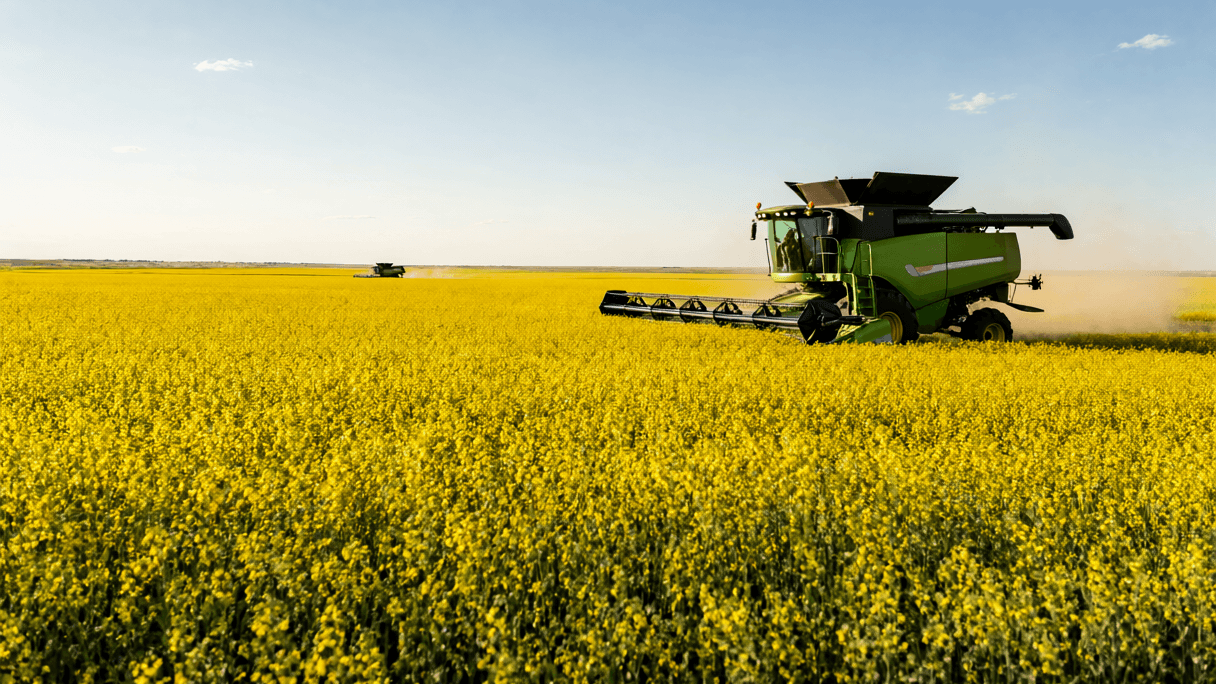
AI-generated image · Bay Street Wire
While industry leaders highlight agriculture's appetite for early adoption, the path from innovation to farm-gate deployment remains the critical hurdle for the next tech boom.
For those tracking the trajectory of climate and clean tech, the agricultural sector represents more than just a niche market; it is a primary theater for real-world deployment. As discussed during a panel at Edmonton Startup Week, and as BetaKit first reported, AgTech is uniquely positioned to drive the next wave of technological innovation because it offers a direct path to validating solutions for complex problems.
Douglas Mills, the vice-president of external relations at the Canadian Agri-food Automation and Intelligence Network (CAAIN), notes that entrepreneurs specializing in sustainability, advanced manufacturing, biotech, and AI will find the sector to be a fertile ground for growth. Mills emphasizes that the opportunity extends far beyond the traditional image of a tractor in a field, spanning the entire value chain—from animal health and robotics to logistics, solar, and computer vision.
One of the most compelling arguments for AgTech as a scaling mechanism is the industry's willingness to embrace new tools. Colin Coros, the COO of Nanostics and former CEO of Delta Genomics, notes that agricultural producers are often early adopters who prioritize productivity. Coros points to autonomous vehicles as a prime example, stating that self-driven combines have already been utilized in Alberta for over a decade, long before such technology became a focal point for the general public.
This openness to innovation creates a strategic advantage for deep tech startups. Coros suggests that AgTech can serve as a critical stepping stone for those facing prohibitive regulatory hurdles in other sectors. For instance, while medical technology may require a 15-year journey to reach the market, Coros argues that livestock applications could potentially allow a company to get a product to market in five years, allowing them to refine their technology before attempting to enter the healthcare space.
However, the transition from a conceptual solution to a deployed tool requires a pragmatic approach to validation. BJ Fuchs, a cattle rancher and supporter of AgTech whose company, Business Wide View, has trialled innovations in real-world settings, stresses the importance of direct producer engagement. Fuchs argues that because every farming operation is unique—ranging from the use of drones to water-trough monitors—entrepreneurs must consult with multiple producers to truly understand the challenges they are attempting to solve.
Ultimately, the promise of an AgTech boom depends on whether these innovative tools can move past the prototype phase and integrate seamlessly into the daily operations of the farm. As Mills suggests, the sector is rich with opportunity, provided the solutions are grounded in the actual needs of the agricultural value chain.