
Apple’s HomeView Wall Mount Logic is a Masterclass in Nickel-and-Diming

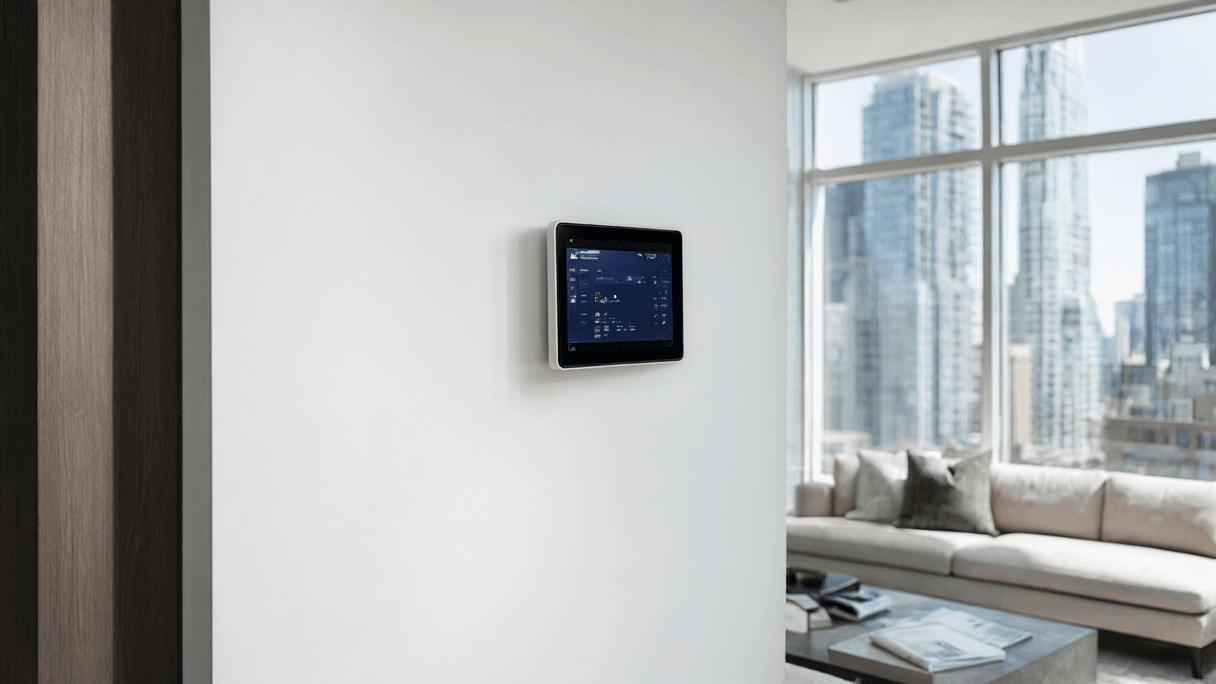
AI-generated image · Bay Street Wire
Charging extra for the hardware required to actually use a 'wall-mounted' device isn't just a pricing quirk—it's a textbook example of corporate greed over user experience.
I’ve seen some aggressive accessory plays in my time covering hardware, but Apple’s latest rollout of the HomeView smart display is pushing the boundaries of absurdity. On the surface, the pitch is simple: a 7-inch Liquid Retina display with a 12MP Center Stage camera and Siri AI, designed to be the 'heart of your home.' But as first reported by The Verge, once you dive into the pricing structure for the wall-mounted version, the 'simplicity' evaporates, replaced by a calculated effort to squeeze every possible cent out of the consumer.
**The 'Wall-Mounted' Paradox**
According to reporting from The Verge, Apple is offering the HomeView in two distinct models, both priced at $299. One is a desktop version featuring a domed aluminum base with a stainless steel hinge and a speaker base. The other is explicitly marketed as the 'Wall Mounted' version.
Here is the catch: the 'Wall Mounted' version does not actually come with a mount.
As Jess Weatherbed of The Verge points out, if you want to actually affix the device to your wall, you have to pay an additional premium. Apple is selling the necessary mounts separately, meaning the 'Wall Mounted' model is effectively a 'mountless' device that requires further investment to function as advertised. In my opinion, calling a product 'wall-mounted' while selling the mounting hardware as an optional add-on is a deceptive naming convention that prioritizes profit over transparency.
**The Cost of Connectivity**
This isn't just a small convenience fee; it's a tiered pricing system for basic functionality. The Verge reports that the required mounts are purpose-built from Schneider Home, and the costs vary based on the power solution you choose:
* **Power Mount USB-C Wall Connector:** Starts at $59.95. * **Power Mount AC Wired:** Starts at $79.95. * **Power Mount PoE Wired:** Priced at $129.95 (available in early 2027).
When you do the math, the 'entry-level' wall experience bumps the $299 price tag to at least $358.95.
What makes this particularly galling is the lack of versatility. Apple's own product page, as cited by Hacker News, notes that the desktop model comes in four colors (Silver, Starlight, Rose Pink, and Space Gray), while the wall-mounted option is limited to just Space Gray and Silver. Furthermore, The Verge notes that the two versions are distinct; you cannot buy the desktop model and simply set the speaker base aside to convert it into a wall version.
**Half the Product, Same Price**
From a value proposition standpoint, this is a disaster. The desktop model includes a functional speaker base and a stand. The wall-mounted model strips those away but maintains the same $299 base price. As The Verge observes, Apple is essentially charging the same amount for half the product, then charging you *more* to get the hardware needed to make the remaining half useful.
To make matters worse, the 'No mount' option in the Apple webstore checkout is a dead end. While you can select it to avoid the extra charge, Apple explicitly states that the 'HomeView (Wall Mounted) requires a mount and power solution to operate.' Because the device does not ship with a power source, you cannot simply lean the wall model against a surface or lay it flat to avoid the Schneider Home tax. You are forced into the ecosystem of paid mounts if you want the device to actually turn on.
**The Verdict**
Apple is hiding these details in the small print at the bottom of the product announcement page, hoping users will simply see '$299' and click 'buy.' But for those of us paying attention, this is a clear signal. By decoupling the mount from a 'wall-mounted' device, Apple isn't innovating on user experience—they are innovating on how to maximize the average order value. It is a textbook example of corporate greed, and it turns what should be a seamless smart home upgrade into a frustrating exercise in nickel-and-diming.