
Toronto Biennial of Art Explores Rupture and Renewal

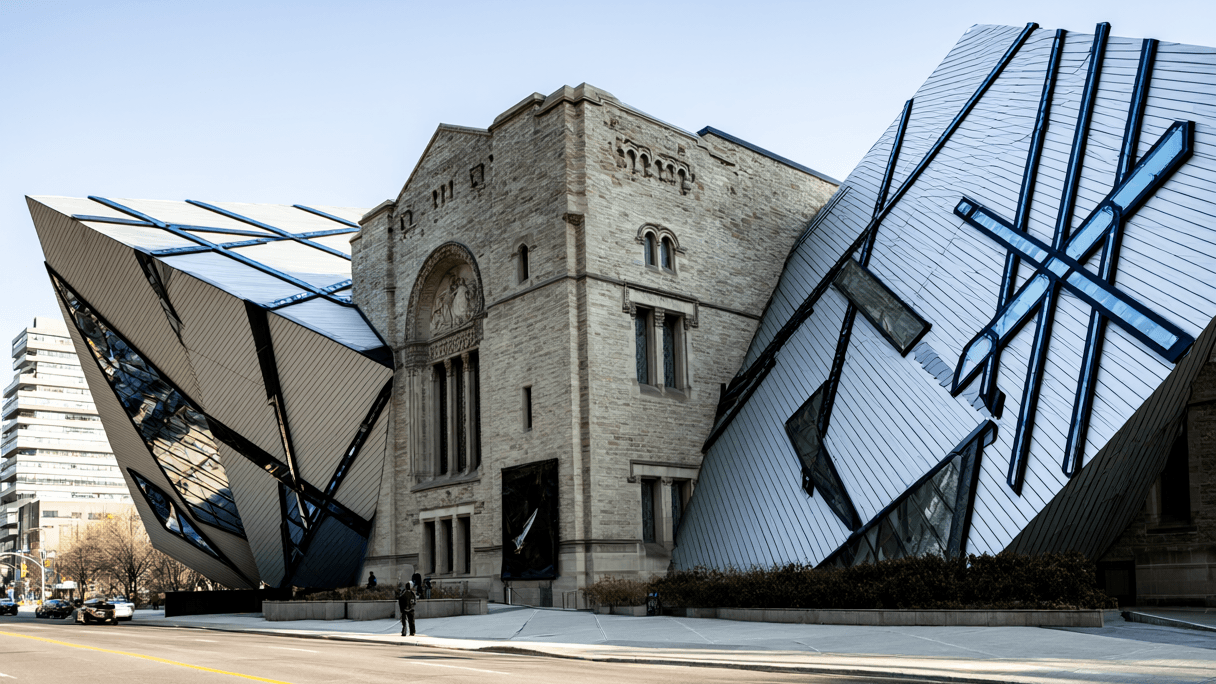
AI-generated image · Bay Street Wire
The fourth edition of the festival, titled 'Things Fall Apart,' features 36 projects across the city examining colonial violence and environmental collapse.
The fourth edition of the Toronto Biennial of Art, titled "Things Fall Apart," is currently running through Dec. 20. As CBC Toronto first reported, curator Allison Glenn describes the festival's central theme as "rupture as a site of possibility," focusing on various forms of rupture including environmental collapse, displacement, and colonial violence.
The biennial consists of 36 projects, including 16 new commissions. Featured works include:
* **Rebecca Belmore**: An Anishinaabekwe artist who performed *Gichigami*, a procession of dancers with coats made of crushed water bottles that moved from the Queen Victoria monument to the Art Museum at the University of Toronto. * **Dawoud Bey**: Landscape photographs of the Underground Railroad and Richmond Slave Trail, displayed at the Art Gallery of Ontario alongside the AGO's Frum Collection. * **Raphaël Barontini**: A French artist who installed vibrant banners at the Royal Ontario Museum featuring water gods and anti-slavery heroines. * **Julianknxx**: A Sierra Leonian poet and artist whose video, *What Colours Can We Dream in This Night Filled with Salt?*, can be seen at the Justina M. Barnicke Gallery. * **Lindsey Katsitsakatste Delaronde**: A Kanienke’haka artist who created the video *Soul-Hex*, which uses Indigenous science fiction to address environmental justice.
CBC Toronto reports that the biennial's title is drawn from W. B. Yeats' poem "The Second Coming." Additionally, Glenn noted that the aquatic cosmology of the Black electronica duo Drexciya served as an anchoring sensibility for the event. Cornelius Harris, label manager for the electronic collective Underground Resistance, explained that Drexciya represents an imagined future for the children of enslaved African women during the Middle Passage.