
Theia Deploys 3D Motion Tech to Study Caregiver Injury Risk

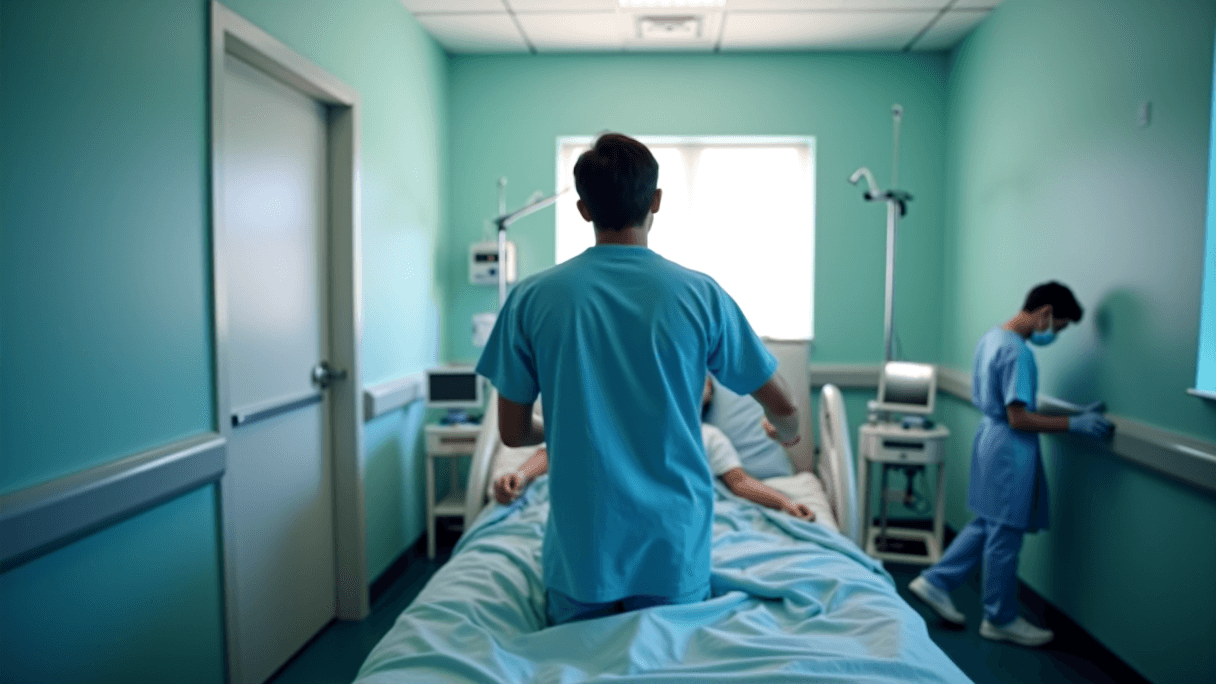
AI-generated image · Bay Street Wire
The Toronto-based company is partnering with New Brunswick researchers to evaluate the physical impact of a patient-turnover device.
Toronto-based Theia is utilizing its 3D motion-capture technology in a study to determine if a specific patient-turnover device can reduce workplace injuries for healthcare workers, BetaKit reports.
Researchers are using Theia's machine learning platform to track the movements of caregivers as they reposition simulated patients using Vendlet, a device developed by the European company DHG Denmark. By analyzing video data from multiple cameras, Theia's flagship product, Theia3D, maps movements onto a 3D skeletal model to analyze joint motion without requiring the subjects to wear reflective tracking markers. According to Theia CEO Marcus Brown, this approach allows researchers to gather data from more than 500 trials with significantly less effort than traditional methods.
Leading the study are Wayne Albert, a dean at the University of New Brunswick and head of its Occupational Performance Lab, and Michelle Cardoso of the Université de Moncton. Funding for the project was provided by Mitacs, the Workers’ Compensation Board, and WorkSafe Saskatchewan. The goal is to provide evidence on whether the Vendlet device reduces the physical strain associated with patient lifts and transfers, which the BC Nurses’ Union identifies as a leading cause of musculoskeletal injuries in the Canadian workers’ compensation system.
Beyond healthcare, Theia sells its platform to companies analyzing worker movement and research labs. The company was also named one of four partners for the NBA's biomechanics pilot program last year. While Marcus Brown did not disclose exact revenue, he stated it is above $5 million CAD annually. Results from the current healthcare study are expected by December 2026.