
The Waterfront Wins: Federal Government Grounds Ford's Airport Ambitions

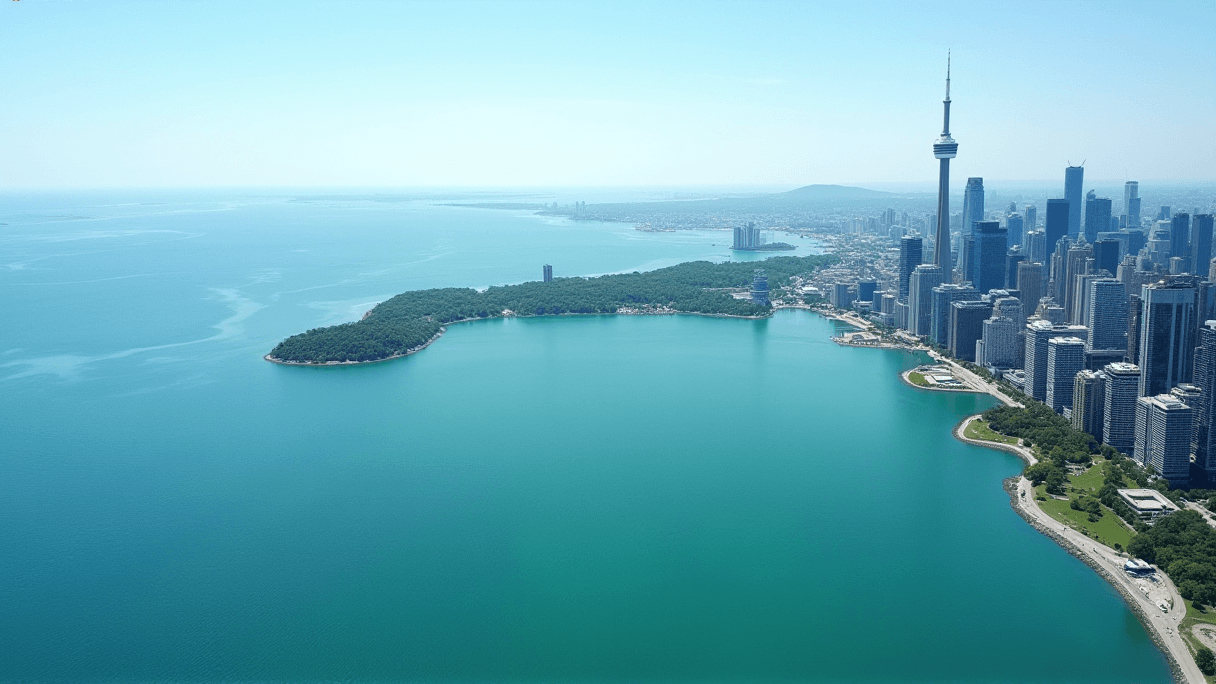
AI-generated image · Bay Street Wire
After thousands of Torontonians spoke up, Ottawa has stepped in to save the islands from a provincial expansion plan that threatened to trade our crown jewel for runway lakefill.
### Opinion: A Victory for the People
For too long, the vision for Toronto's waterfront has been treated as a playground for the highest bidder or a laboratory for the Ford government's unchecked ambitions. But on Friday, the federal government finally grew a spine. By rejecting the provincial plan to expand Billy Bishop Toronto City Airport, Ottawa proved that our waterfront belongs to the people of Toronto, not to the greed of airport expansionists who view our natural heritage as nothing more than a site for more concrete and jet fuel.
This wasn't just a bureaucratic pivot; it was a victory for the tens of thousands of citizens who refused to let their city be dismantled. The provincial government tried to bulldoze through the city's role in the airport's management to force this expansion, but the federal government listened. In a city where the waterfront is our connection to our origins, this decision ensures that the "crown jewel" of the Golden Horseshoe remains intact for the public, rather than being sacrificed to the altar of corporate growth.
***
### The Federal Shutdown
As CityNews Toronto first reported, federal Transport Minister Steven MacKinnon announced Friday that the federal government is exclusively focusing on safety upgrades already in progress at Billy Bishop, rather than expanding the facility to accommodate jets.
This decision follows a massive public consultation effort that saw more than 87,000 responses. While MacKinnon noted the decision was made "at this stage"—leaving a small window for potential future changes—the immediate effect is a total grounding of the Ontario government's expansion goals.
### The Cost of "Progress"
The provincial plan, championed by Premier Doug Ford, sought to significantly expand the airport runway. According to CityNews Toronto, the Ford government projected that such an expansion would eventually serve 10 million passengers annually and generate $8.5 billion in yearly economic benefits.
However, advocates warned that these numbers came with a devastating price tag. Tim Gray, executive director of Environmental Defence, told CityNews Toronto that the project would have required nearly a kilometre of lakefill for taxiways and runways, leading to "massive destruction" of the Toronto Islands. Gray further warned of increased pollution and traffic "gridlock" resulting from the surge in aircraft and car emissions on shore.
Ken Greenberg, an urban designer and leader of the opposition group Reality Check, described the plan as "reckless" and "ill-conceived," arguing it would have erased over 50 years of progress made in reconnecting the city to Lake Ontario. While regional jets might not be louder than current turboprops, Greenberg noted that the real issue is the frequency of flights, dismissing the notion of "whisper jets" as an oxymoron.
### The Province's Persistent Push
Despite the federal rejection, the Ontario government is not yet conceding. CityNews Toronto reports that Ontario Transport Minister Prabmeet Sarkaria stated on social media that the province will continue to try and advance an expansion. Sarkaria argued that the project would drive job creation and economic growth, and he expressed hope for a future plan that could support new housing opportunities, improve Little Norway Park, and protect public spaces.
This airport battle is only one piece of a larger provincial effort to overhaul the city's shores. As reported by CityNews Toronto, the Ford government's broader vision includes the currently under-construction redevelopment of Ontario Place and a possible new island to house a massive convention centre.
A spokesperson for Premier Doug Ford's office did not immediately respond to a request for comment Saturday.