
The Sovereignty Gap: Starlink and the Peril of Private Tech Monopolies

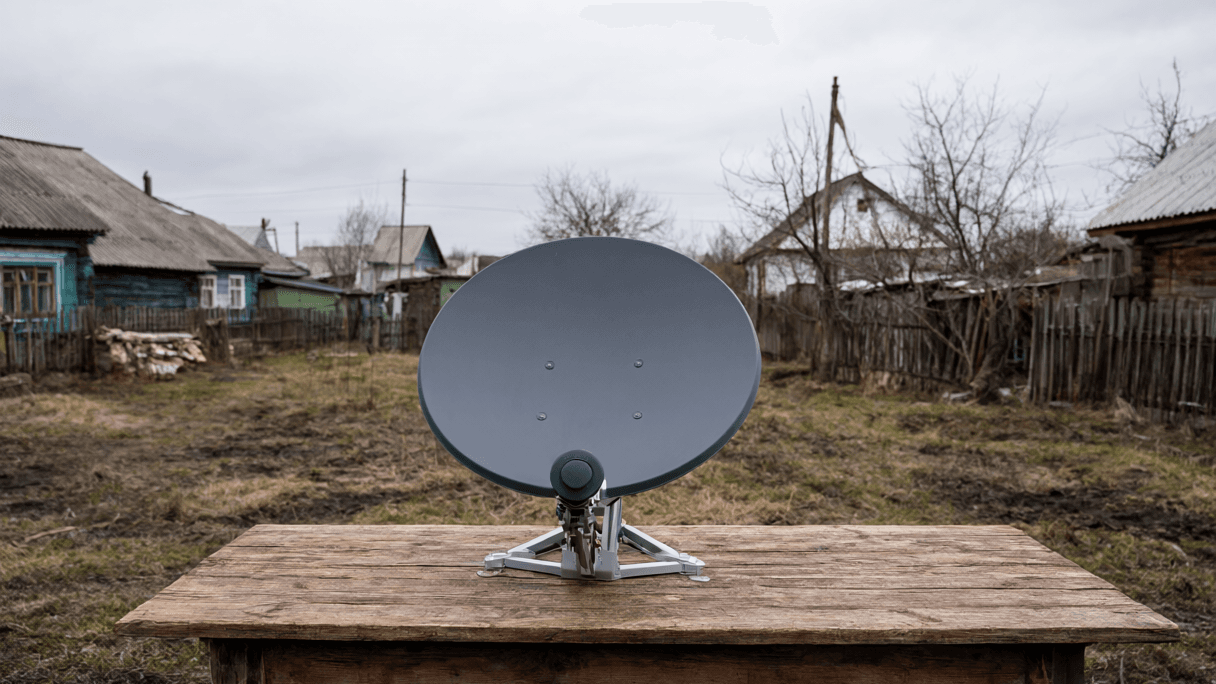
AI-generated image · Bay Street Wire
The friction between SpaceX and Ukraine serves as a stark warning that relying on a single private actor for critical defense infrastructure creates a geopolitical vulnerability.
In the world of tech policy, we often discuss 'vendor lock-in' as a corporate nuisance. But as the Financial Post first reported, when that lock-in involves critical military infrastructure, it ceases to be a business problem and becomes a crisis of national sovereignty.
The recent friction involving SpaceX’s Starlink system in Ukraine is the ultimate case study in the danger of allowing a single private actor to dictate the rules of engagement in a global conflict. According to reporting from the Wall Street Journal, Elon Musk ordered speed limits on the military-grade version of Starlink, a move that hampered the ability of Ukrainian defense forces to combat Russian forces.
For Kyiv, Starlink is not a luxury; it is a foundational tool used to target artillery strikes and support air defenses. When a private individual possesses the unilateral power to throttle that capability, the traditional lines of geopolitical authority blur. The scale of this influence was further highlighted by the Wall Street Journal, which reported that U.S. President Donald Trump called Musk specifically to request that these restrictions be lifted.
**Opinion: The Privatization of Geopolitics**
From my perspective as a rules-of-the-game analyst, this incident exposes a systemic flaw in how modern states integrate commercial technology into their defense strategies. We are witnessing the emergence of 'private-sector diplomacy,' where the whims or decisions of a single CEO can potentially override the strategic needs of a sovereign nation fighting for its survival. When a private provider can unilaterally alter the operational capacity of a military force, they are no longer just a contractor—they are a geopolitical actor with unaccountable power.
This vulnerability is not lost on global leaders. Canadian prime minister Mark Carney, speaking to reporters in Istanbul, expressed deep concern over the manipulation of the Starlink system. Carney noted that the situation is particularly egregious given that Ukraine is "literally fighting for the lives of its citizens against naked aggression."
For Carney, the Starlink case is a catalyst for a broader strategic shift. He stated that his government is now focused on diversifying Canada’s trading relationships, specifically within the technology sector, to bolster national sovereignty. The goal is to ensure Canadians are not left reliant on a single provider who might change their perspective or be pressured by a single nation-state, thereby putting citizens at risk.
However, the path to independence is steep. Carney admitted that the process of diversification will take time, acknowledging that Canada is currently starting from a position of being "highly, highly reliant" on specific systems in certain countries.
The lesson here is clear: reliance on a single tech monopoly for essential security is a strategic liability. Until states can diversify their technological dependencies, they remain subject to the internal logic—and the personal decisions—of the private actors who own the hardware.