
The Silicon Carbide Ceiling: Why Fusion's True Hurdle is Hardware Durability

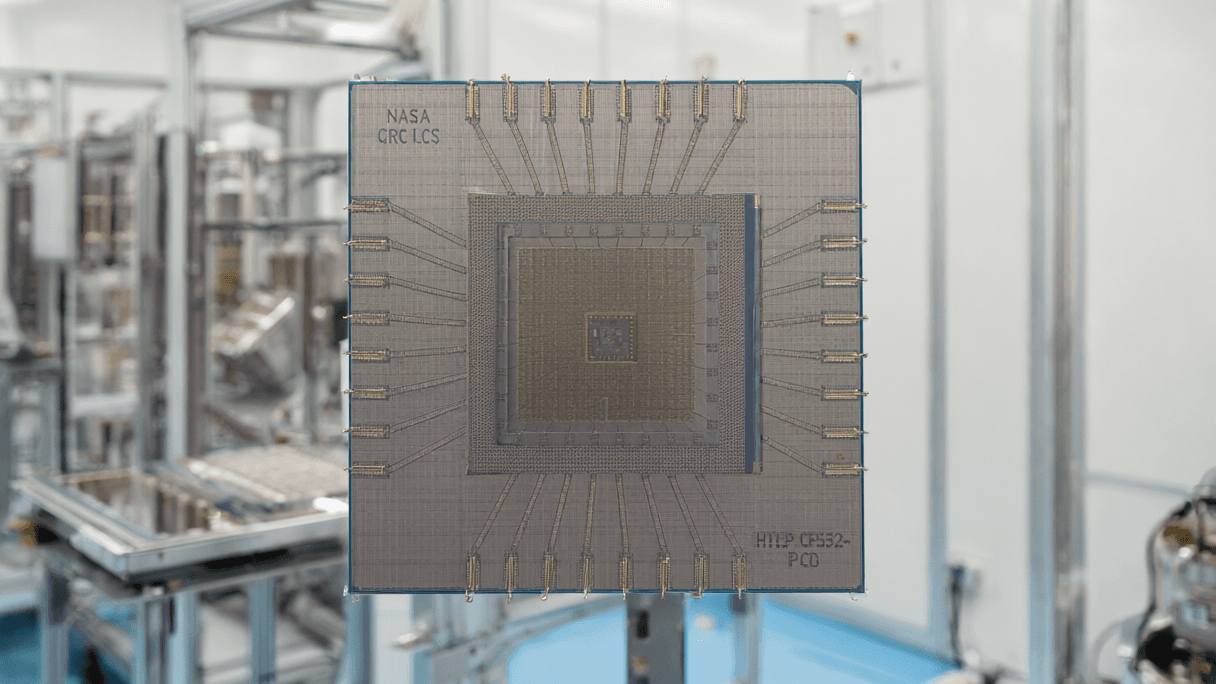
AI-generated image · Bay Street Wire
Commonwealth Fusion Systems' $85 million CHIPS Act award signals a pivot from plasma physics to the grueling reality of wide-bandgap semiconductor failure in high-radiation zones.
In the race to commercialize fusion energy, the public narrative has long been dominated by plasma physics. But as TechCrunch first reported, the real bottleneck may be the hardware layer—specifically the failure rate of the semiconductors managing the energy.
Commonwealth Fusion Systems (CFS) is betting that the path to a commercial grid requires hardening the power electronics that keep fusion devices running. To that end, CFS announced Thursday it has secured $85 million through a Department of Commerce grant under the CHIPS Act. While CFS aims to activate its Sparc reactor next year, the company recognizes that scaling to dozens of commercial plants requires a robust supply chain and electronics that can survive a fusion plant's brutal environment.
***
**Opinion: The Hardware Reality Check**
From a supply-chain perspective, the industry faces a material science crisis. We are asking semiconductors to operate in environments that would shred conventional silicon. The focus on wide-bandgap materials—specifically silicon carbide—is a survival requirement. If we cannot solve the degradation of power electronics under intense radiation and high-voltage stress, operational costs will remain prohibitively high.
***
According to TechCrunch, the $85 million investment will support five initiatives. A primary focus of the funding is the development of power electronics using silicon carbide. In a fusion reactor, these semiconductors manage the intense bursts of electricity required to drive the superconducting magnets that confine plasma.
CFS will also develop next-generation radio-frequency power generators for heating fusion fuel and radiation-hardened electronics to enable faster reactor control and extend component lifespans. Additionally, CFS plans to adapt AI hardware, such as GPUs and TPUs, for use within power plants.
This is a strategic move by the U.S. government, which TechCrunch notes has taken a stake in CFS as part of the award. Brandon Sorbom, co-founder and chief science officer at CFS, stated that the initiative will create a more economical power plant and a stronger domestic supply chain. Sorbom noted the funding serves a dual purpose: accelerating fusion's path to the grid while improving the broader domestic semiconductor and power electronics sectors.