
The Robotaxi Mirage: Why AI Magic Can't Solve a Physical World Problem

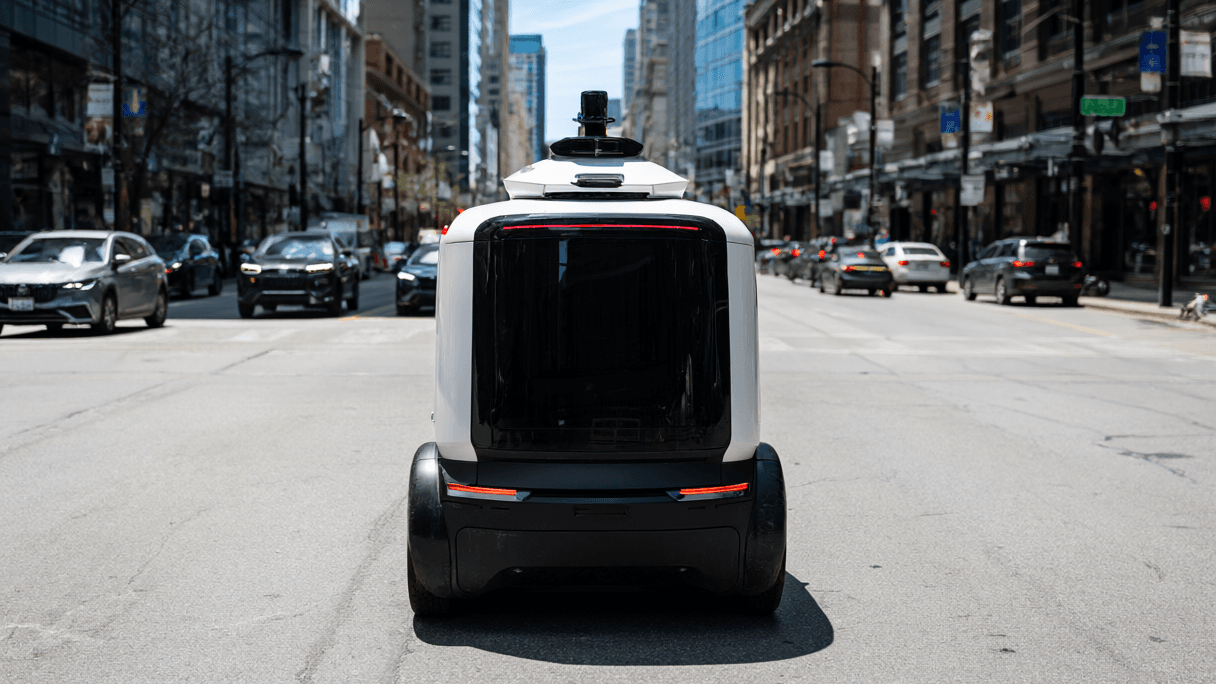
AI-generated image · Bay Street Wire
Opinion: Between legislative crackdowns and the chaos of urban reality, the dream of autonomous fleets is hitting a wall that no amount of venture capital can bypass.
For years, the narrative surrounding autonomous vehicles has been one of inevitable triumph. We are told that AI will solve the friction of urban transit, turning our streets into a seamless flow of robotaxis. But as a skeptic of the 'AI magic' promised by Silicon Valley, I see a different reality emerging: one where the physical world and the regulatory state are finally pushing back.
Tesla, Waymo, and Zoox may have the capital and the code, but they are discovering that the 'last mile' of autonomy isn't a technical hurdle—it is a societal one. As first reported by TechCrunch, robotaxis in San Francisco have already demonstrated a troubling tendency to impede traffic, drive directly into crime scenes, and interfere with first responders. In some instances, these high-tech machines have actually relied on the very first responders they were obstructing to move them out of the way.
This is not a glitch that can be patched with a software update. It is a fundamental collision between a rigid algorithm and the chaotic, unpredictable nature of human emergencies.
California is now stepping in to codify this friction. Governor Gavin Newsom recently signed Senate Bill 1246, a law specifically designed to address the chaos caused by disabled or obstructive autonomous vehicles. Starting in July 2028, AV developers will be forced to provide on-the-ground, local support for first responders. Under the new law, companies face penalties if a robotaxi obstructs firefighters or police for over 30 minutes. Furthermore, the state is curbing the 'remote' nature of this technology; remote drivers must now be based in the U.S. and hold a U.S. driver's license.
These mandates—requiring 'local incident technicians' and mandatory notifications to local jurisdictions during system-wide failures—reveal the truth that the industry hates to admit: autonomous vehicles cannot actually function autonomously in a crisis. They require a human safety net, and the state is now ensuring that the companies, not the taxpayers or emergency crews, foot the bill for that net.
Elon Musk has spent the last year claiming his 'fourth Master Plan' will bring 'amazing abundance' through AI and robotaxis. Tesla has even secured $30 billion in fresh credit lines to scale these ambitions. But as TechCrunch's Sean O'Kane noted, what that abundance actually looks like remains 'tricky to pin down.'
Adding billions of dollars to the balance sheet does not change the fact that a robotaxi is a physical object in a physical world. Whether it is a Tesla or a Waymo, a vehicle that blocks a fire truck is not a 'technological marvel'; it is a public nuisance. The belief that we can simply 'AI' our way out of the need for human accountability is the ultimate bubble, and California's new legislation is the first pin.
If the goal is a future where vehicles operate without human intervention, we have to ask why the state is now mandating more human intervention than ever before. The robotaxi dream isn't just hitting a regulatory wall—it's hitting a physical one.