
The Purge at City Hall: Chow’s 'Strong Mayor' Power Grab

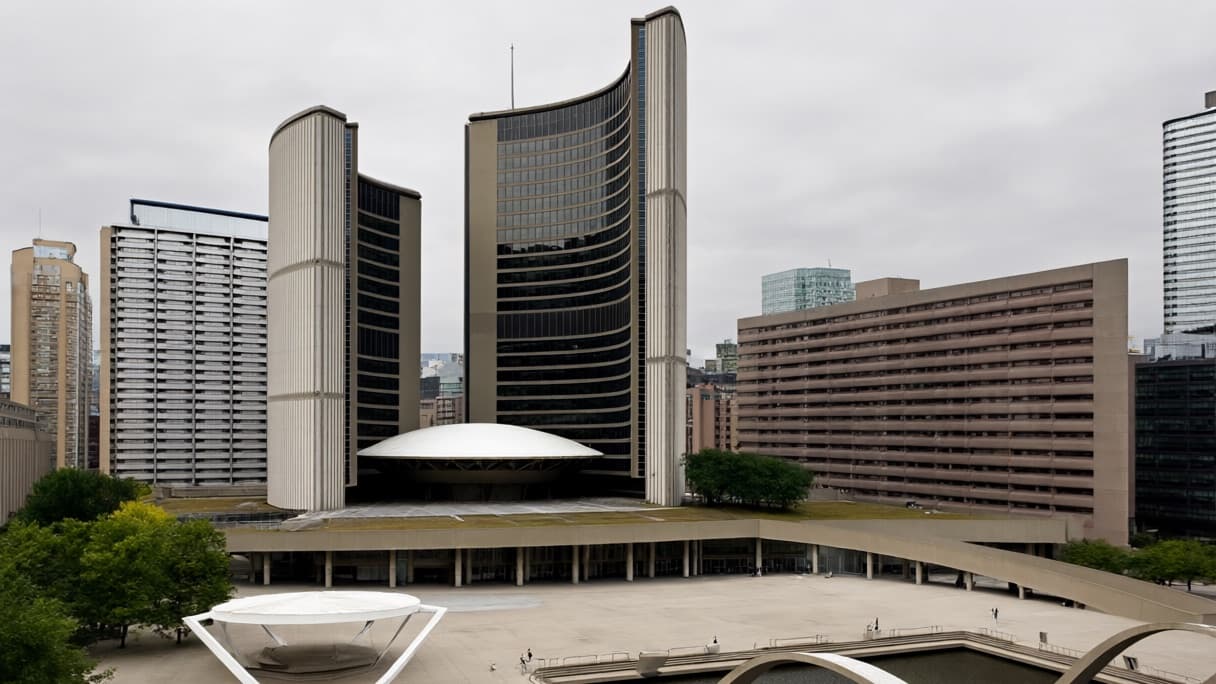
AI-generated image · Bay Street Wire
Opinion: By sidelining the city manager and bypassing council oversight, Mayor Olivia Chow is clearing the bureaucratic deck to push her own agenda without accountability.
Let’s be clear about what is happening at Toronto City Hall: we are witnessing a calculated purge of the bureaucracy.
In a move that has left several city councillors reeling, Mayor Olivia Chow has invoked her "strong mayor" powers to remove the city's top bureaucrat, City Manager Paul Johnson. While the Mayor attempts to frame this as a benign "restructuring" of internal operations, the reality is far more concerning. By using these expansive powers to unilaterally decide who holds the city's most senior official role, Chow is effectively dismantling the checks and balances that ensure the city is run by professional administration rather than political whim.
According to reporting from CBC Toronto, Johnson—who was appointed in 2022 under former mayor John Tory—is leaving a role he held for nearly four years. The timing is as suspicious as the method. Mayor Chow informed reporters on Monday that she and Johnson "agreed to part ways" during a conversation on Friday, citing "new priorities" and a "new mandate" at the start of her second term.
But the "mutual agreement" narrative is a thin veil for the exercise of raw power. As Coun. Josh Matlow pointed out to CBC Toronto, this decision would have previously gone before council for discussion. Matlow noted that such a process would have provided "some check-and-balances discussion," more transparency, and accountability. Instead, the council members were left to find out about the departure of their most senior official through "gossip, rumours and breaking in the news."
What is the end game here? While Mayor Chow told reporters that the upcoming budget was not the reason for Johnson's departure, the timing suggests otherwise. Coun. Matlow told CBC Toronto he believes the decision is linked to the budget process, as city staff are currently working to deliver the plan for next year. Even more alarming is the financial context: Coun. Jon Burnside told CBC Toronto that the city is entering 2027 with a deficit of $1.1 billion. Burnside expressed a pointed concern that Johnson might be "scapegoated" for bad decisions made by the mayor over the last three years.
By removing the city manager now, Chow ensures that the bureaucracy is steered by her hand as the budget is finalized. She has already appointed Stephen Conforti, the current CFO and treasurer, as the interim city manager. Crucially, Chow has stated that a full-time replacement will not be chosen until *after* the next budget is delivered in the new year. This is a textbook move to clear the path for her own agenda, ensuring no senior bureaucrat can push back against her fiscal priorities during the critical planning phase.
To justify this upheaval, Chow is promising a "more streamlined city government" through a new structure divided into four categories: Finance and corporate services; Housing and economic development; Infrastructure and environment services; and Community development and human services. She claims this will deliver better results for Torontonians. However, the cost of this "streamlining" is the erosion of democratic oversight.
It is particularly galling given the rhetoric of the campaign. CBC Toronto reports that throughout her re-election bid, Chow stated she would not use her "strong mayor" powers. Now, less than a month after her victory, she is using them to execute a leadership shake-up. While she claims she is not using these powers to veto council decisions and promises that council will be involved in selecting the permanent city manager, the damage is done. The precedent is set: the Mayor can remove the city's top professional administrator whenever she feels the "mandate" requires it.
This trend of executive overreach isn't limited to Toronto. CityNews Toronto reports that York Region Chair Steven Del Duca similarly invoked "strong mayor" powers to replace that region's top civil servant, CAO Erin Mahoney, appointing Commissioner of Public Works Laura McDowell as the interim replacement.
When the bureaucracy is weaponized to serve the political needs of the mayor's office, the public loses. Paul Johnson was a seasoned professional who ran Hamilton's emergency operations centre during the pandemic and earned a salary of over $520,000 last year, according to provincial data cited by CBC Toronto. His departure isn't just a staffing change; it is a signal to every remaining city staffer that their tenure is dependent on their alignment with the Mayor's immediate priorities.
Olivia Chow is not just restructuring the city; she is restructuring the power dynamics of Toronto's government to favor the executive over the legislative. If the Mayor wants to deliver on her campaign promises, she should do so through the transparent, accountable processes that the city's charter intends. Using "strong mayor" powers to purge the administration is not leadership—it is an evasion of accountability.