
The Provenance Panic: Why TikTok's Likeness Tool is a Last-Ditch Effort to Save Creator Trust

AI-generated image · Bay Street Wire
Opinion: In a world of AI clones, TikTok's new detection test is a desperate but essential move to protect the monetization of human identity.
The creator economy is built on a fragile foundation of trust. When a viewer engages with a creator, they are investing in a specific human identity—a brand that is then monetized through attention and authenticity. But as AI-generated deepfakes proliferate, that foundation is cracking.
As reported by The Verge, TikTok is now testing an opt-in tool designed to scan for unauthorized AI likenesses, allowing creators to report these deepfakes to the platform. While some may see this as a simple feature update, I view it as a desperate, necessary attempt to solve a provenance crisis before AI clones completely erode the value of human creators.
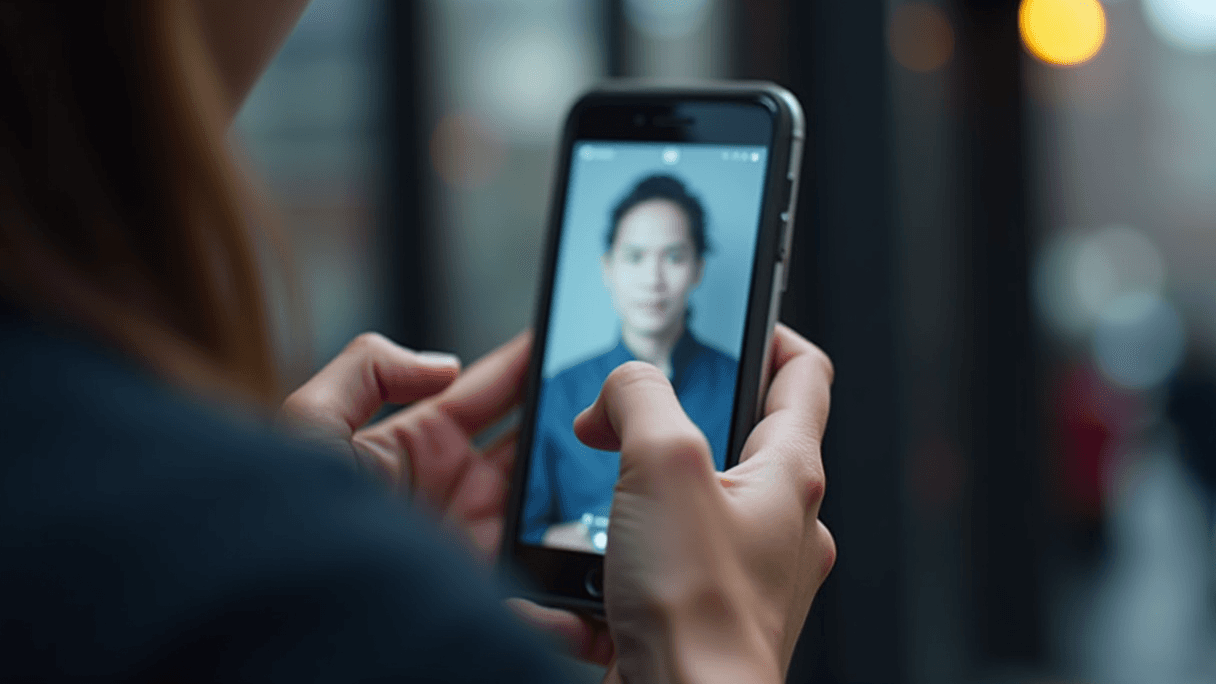
According to TikTok US spokesperson Zachary Kizer, the tool is currently being tested with a limited group of US creators. To participate, creators must first undergo a verification process through a company called Jumio, which involves an ID check and a real-time selfie scan. Kizer told The Verge that TikTok does not keep ID documents and that facial data is used strictly for likeness matching and identifying unauthorized use.
Once verified, the system scans for AI-generated content that may be mimicking the creator. The creators can then review these findings and report unauthorized accounts or posts.
This is not an isolated move. The Verge notes that YouTube has already rolled out a similar tool to all adult users. The fact that the two largest short-form video ecosystems are racing to implement these safeguards suggests a systemic threat. If a creator's likeness can be cloned and deployed without consent, the very concept of 'influence' becomes decoupled from the actual person, destroying the trust-based monetization model that sustains the industry.
Critics might argue that the verification process is invasive, but in an era of synthetic media, the alternative is a total loss of identity control. By leveraging Jumio for verification, TikTok is attempting to create a 'source of truth' for human identity.
Ultimately, this tool is a reactive measure. It doesn't stop the creation of deepfakes; it only provides a mechanism for reporting them after the fact. However, for the creator economy to survive the AI transition, platforms must move beyond passive moderation. TikTok's experiment is a signal that the industry recognizes a terrifying reality: if we cannot distinguish the human from the clone, the creator economy ceases to exist.