
The Prospect Litmus Test: Does Elite Pedigree Predict World Series Success?

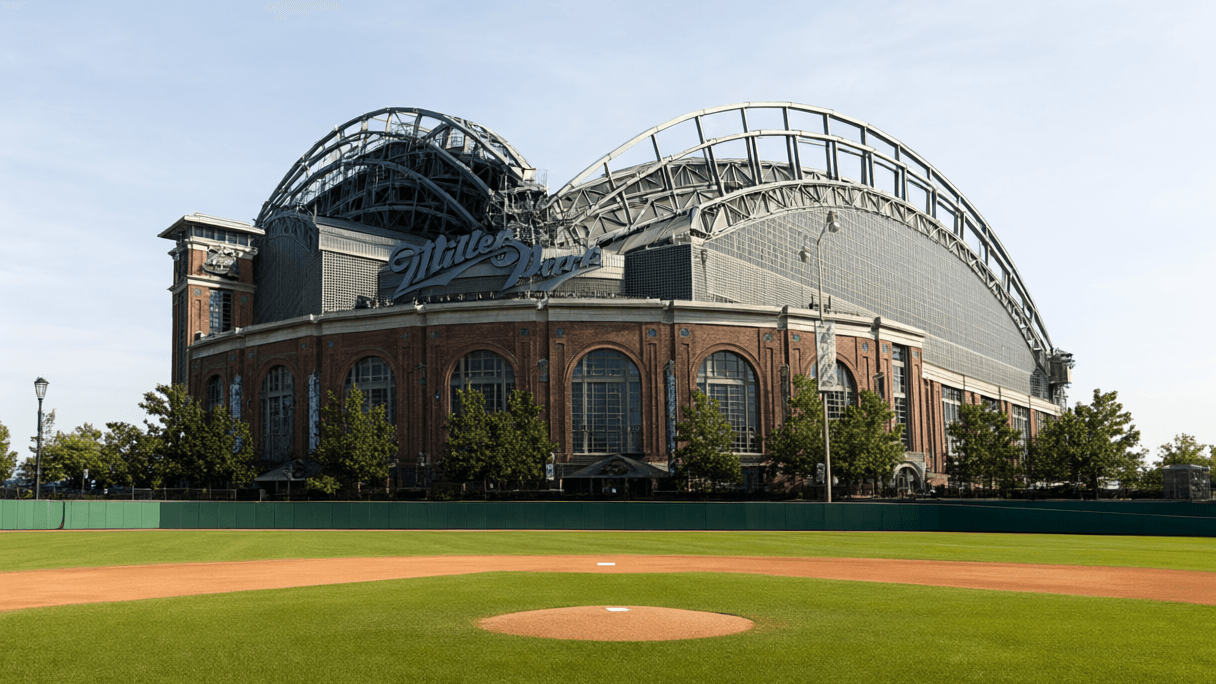
AI-generated image · Bay Street Wire
As the Brewers and Rays clash for the title, a massive disparity in former Top 100 talent raises questions about whether scouting inflation or genuine skill drives championship rosters.
In the high-stakes environment of the World Series, the 'elite prospect' label is often treated as a guarantee of future stardom. However, the true value of these rankings is only revealed when the dust settles on a championship series. As the Brewers and Rays prepare to battle for the title, the rosters provide a stark case study in how prospect pedigree is distributed—and whether that distribution actually correlates with winning.
As MLB first reported, the two teams feature a combined 20 former Top 100 prospects. While this is an increase over last year's total, it falls short of the 26 alumni seen in the 2024 World Series. The most glaring takeaway from the rosters is the imbalance of talent. The Brewers hold a massive advantage over the Rays, boasting 16 former Top 100 players compared to the Rays' four.
For the Brewers, the pipeline has delivered a concentrated surge of high-ceiling talent. Jackson Chourio stands as the crown jewel; originally a shortstop from Venezuela who signed for $1.8 million, Chourio ascended to the No. 1 prospect spot before graduating in 2024. His trajectory was marked by a historic 2023 season where he became one of only five teenagers since 1958 to record 22 homers and 44 steals. Milwaukee's faith in his elite billing is evident in the eight-year, $82 million extension they granted him in December, a record for a player without MLB service time.
Other Brewers mainstays validate the scouting reports. Christian Yelich, a former No. 10 prospect and 23rd overall pick in 2010 for the Marlins, entered the pros as the most advanced prep bat in his class—a reputation he maintained with a .322/.395/.497 line leading into 2013. Similarly, Andrew Vaughn, who won the Golden Spikes Award as a sophomore at California, entered the league as a highly touted No. 14 prospect after being selected third overall by the White Sox in 2019.
Conversely, the Rays' reliance on a smaller group of former elite prospects highlights the volatility of the process. Junior Caminero, a mid-2024 No. 2 prospect, represents the high-end potential the Rays seek. Originally signed by Cleveland in July 2019 before being traded to Tampa Bay in November 2021, Caminero's 2023 season saw him tie for sixth-most home runs in the Minors with 31.
But the gap between 'elite' and 'productive' is often wide. Some players, like the Brewers' Gary Sánchez, were once viewed as potential busts before finding their footing. Others, like the Rays' Steven Matz, faced setbacks that made their World Series presence seem unlikely; Matz's pro debut was delayed until 2012 due to arm trouble, three years after the Mets drafted him in the second round in 2009.
Ultimately, the Brewers' 16-4 advantage in former Top 100 talent suggests a philosophy of accumulating high-pedigree assets. Whether this concentration of former elite prospects translates into the first World Series title in franchise history remains the ultimate test of the scouting pipeline.