
The Pathways Gamble: Ottawa Trades Climate Goals for Pipeline Growth

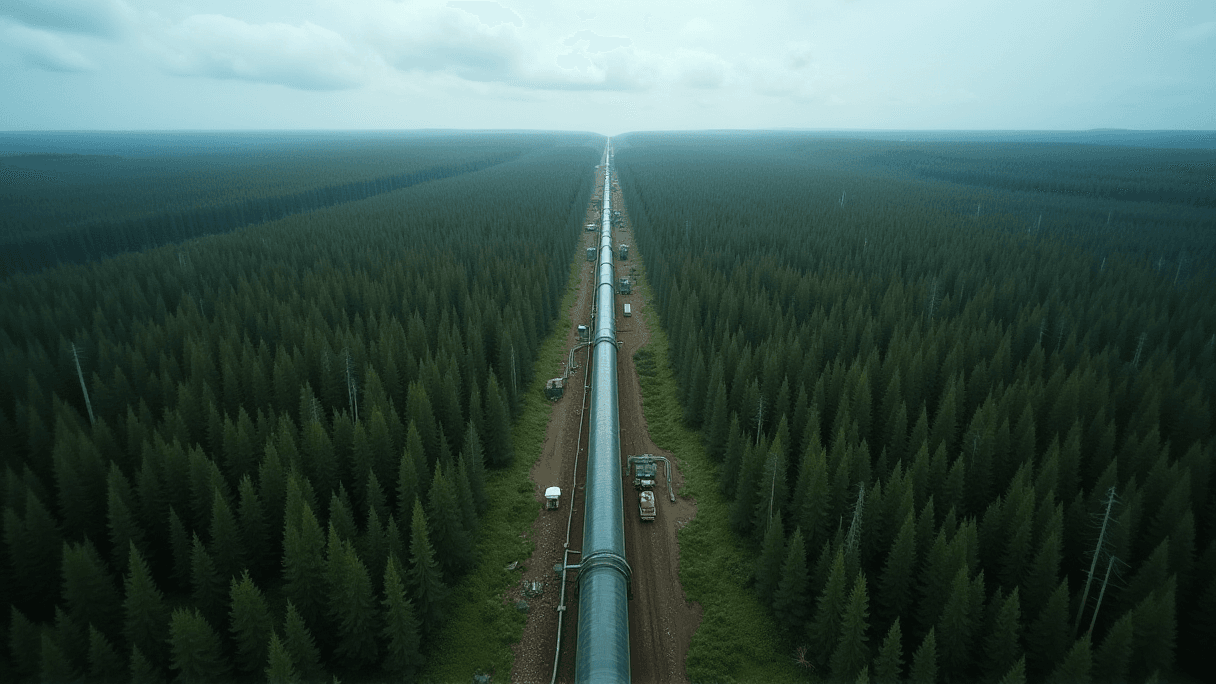
AI-generated image · Bay Street Wire
A new memorandum of understanding between the federal government, Alberta, and five oilsands giants ties carbon capture promises to the expansion of West Coast pipeline capacity.
OPINION: The latest accord between Ottawa and Alberta is less a climate strategy and more a desperate gamble. By tying the multibillion-dollar Pathways carbon capture and storage project to the approval of a new West Coast pipeline, Prime Minister Mark Carney's government is prioritizing industry subsidies over genuine emission reductions. This quid pro quo signals a continued reluctance to challenge the oilsands' status quo, effectively subsidizing growth under the guise of environmental mitigation.
According to reporting from CityNews Toronto, the Alberta government, Ottawa, and five major oilsands producers have signed a memorandum of understanding to advance the Pathways project. The agreement is explicitly linked to the progression of a new oilsands pipeline moving from Alberta to a tanker port in southern British Columbia. The governments have further agreed to pursue fiscal and regulatory policies designed to spur growth in oilsands production to ensure the pipeline remains filled.
CityNews Toronto reports that the federal government is backing this effort by committing to extend investment tax credits for various carbon capture equipment through 2035. Simultaneously, Alberta Premier Danielle Smith stated that the province will finalize its own incentive program for carbon capture. Premier Smith described the agreement as a partnership to grow the economy and strengthen energy security.
Under the terms of the memorandum, the Pathways Project is intended to proceed in stages, with infrastructure becoming operational by January 1, 2032, and full completion by 2035. The consortium behind the project consists of Canadian Natural Resources, Imperial Oil, Suncor, Cenovus Energy, and ConocoPhillips. According to Kendall Dilling, president of the Oil Sands Alliance, the framework is intended to enable production growth. The alliance claims the project will be capable of transporting and storing approximately six million tonnes of captured carbon dioxide annually by the mid-2030s via a pipeline network leading to a storage hub near Cold Lake, Alberta.
Federal energy and natural resources minister Tim Hodgson characterized the deal as part of a broader November accord between Ottawa and Alberta, claiming the partnership secures energy sovereignty and creates jobs. However, the timing of the deal suggests a rushed coordination; CityNews Toronto notes the agreement was signed on July 2, the same day Alberta submitted its pipeline proposal to the federal major projects office.