
The Legacy of Sony's Aibo: Emotional Design Over Utility

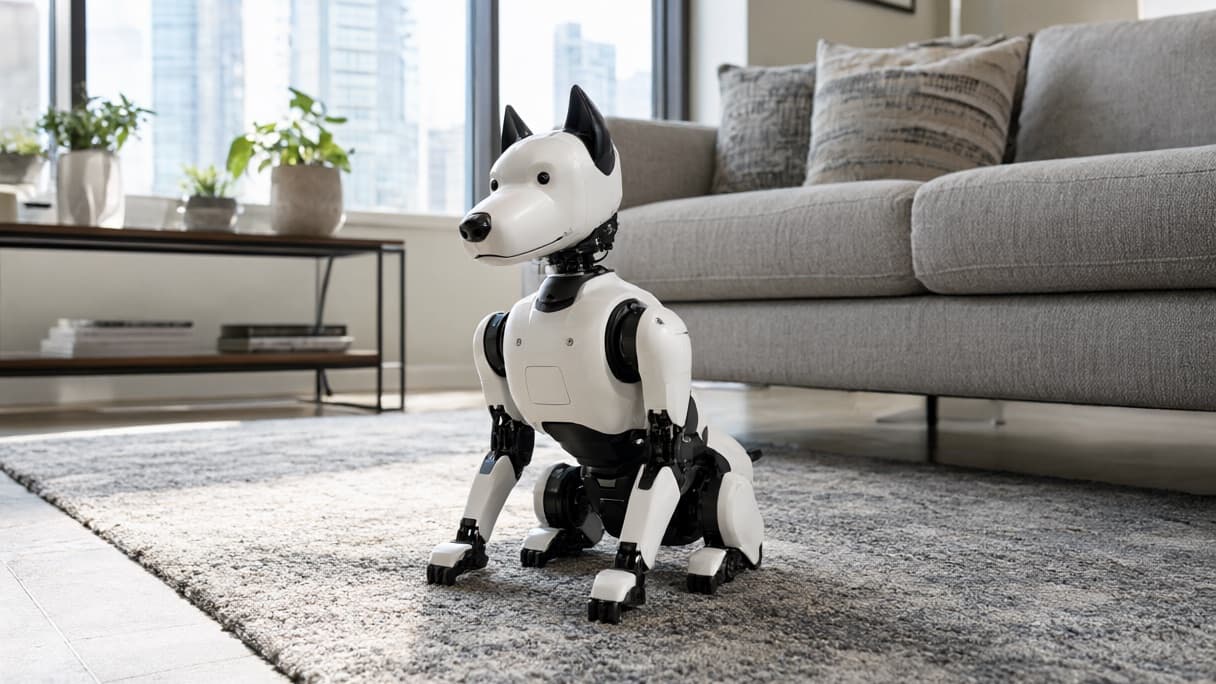
AI-generated image · Bay Street Wire
The robot dog served as an early experiment in integrating humanoid technology into the domestic sphere.
In the 1990s, Sony operated under the conviction that society was approaching a "robot takeover," envisioning a future where humanoid robots would serve as coworkers, friends, and pets, according to The Verge.
Central to this vision was the Aibo, a robot dog designed by Sony to function as a member of the family. Rather than focusing on traditional utility, the Aibo was an attempt to create a companion bot that could evoke emotional responses from its owners. While The Verge notes that the device was not exactly a "huge hit" in terms of global commercial phenomenon, the project explored the intersection of consumer technology and emotional bonding.
The Aibo's trajectory highlights Sony's early efforts to normalize the presence of robots in the home, prioritizing the role of a "pet" over functional productivity. This approach sought to determine how a robotic interface could successfully integrate into a household's emotional fabric, laying the groundwork for how companies conceptualize companion robotics today.