
The King Street Gamble: Can the TTC's Diversion Plan Survive Ten Months of Chaos?

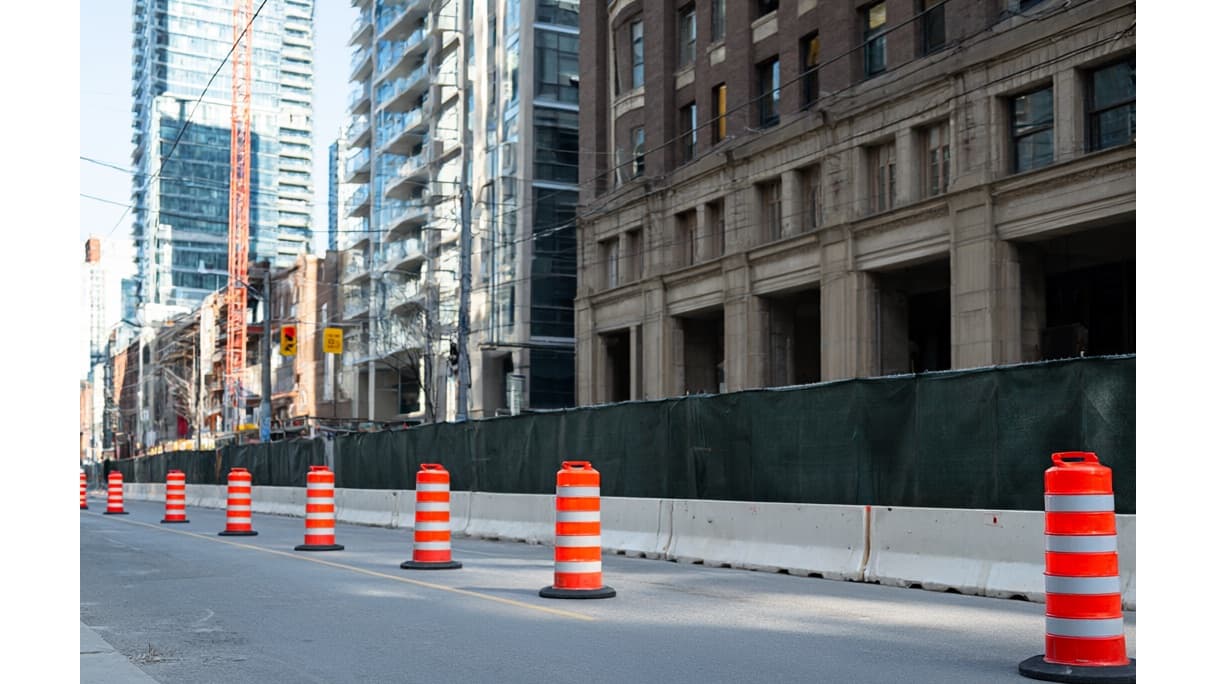
AI-generated image · Bay Street Wire
A massive infrastructure overhaul on King Street West threatens to strand commuters if the TTC's complex route shifts fail to hold.
As first reported by the City of Toronto, the city and the Toronto Transit Commission (TTC) have launched a high-stakes infrastructure gamble on King Street West that will test the limits of downtown mobility through 2027. Starting Monday, November 23, 2026, a coordinated effort to replace aging watermains and renew streetcar tracks will trigger a series of disruptions that could leave commuters stranded if the agency's diversion strategy isn't airtight.
**Opinion:** This is a massive risk. By funneling thousands of daily riders into temporary diversions and replacement buses, the TTC is betting that the surrounding network can absorb the overflow. If the execution falters, the resulting gridlock won't just be a nuisance—it will be a systemic failure of downtown transit.
According to a City of Toronto news release, the project is part of a multi-year renewal program that began in 2020. The scale of the current work is daunting, with construction scheduled in phases across several key zones. The stretch from Dufferin Street to Close Avenue began work on November 23 and is slated to continue until fall 2027. Other priority zones include the intersection of King Street West and York Street in summer 2027, and the stretch from Charlotte Street to University Avenue in late 2027; work from Bathurst to Shaw is set for spring through late 2027, while the Spadina Avenue to Portland Street segment runs from December through summer 2027.
The City of Toronto reports that while one lane of traffic will generally be maintained in each direction during watermain work, streetcar track renewal will restrict traffic to a single lane in one direction through work zones. The City notes that intermittent intersection closures may occur between Close Avenue and Dufferin Street, and some intersecting streets may be converted to two-way traffic to compensate.
For the daily commuter, the real anxiety lies in the TTC's service adjustments. The City of Toronto news release details a complex shuffle of routes: since November 1, 504 King streetcars have been consolidated into one branch between Broadview Station and Dundas West Station. To fill the gaps, 504C/304C King replacement buses are running between Distillery (Front Street East and Cherry Street) and Roncesvalles Avenue. Additionally, the 503 Kingston Rd replacement buses now extend west to the Dufferin Gate Loop, while service on the 508 Lake Shore streetcars was paused.
The diversion plan becomes even more precarious as construction progresses. Beginning November 23, 504/304 King streetcars are diverted between Shaw Street and Roncesvalles Avenue via Queen Street West. As early as December, this detour will expand further east to Spadina Avenue to facilitate work between Spadina Avenue and Portland Street.
To mitigate the chaos, the City and TTC claim they are deploying traffic control personnel, signal adjustments, and construction signage. While the City promises that accessible pedestrian routes and business access will be maintained, the sheer duration of the project—stretching into late 2027—means any flaw in the diversion plan will be magnified over months of congestion. For those who rely on the King Street corridor, the next year is less about infrastructure renewal and more about whether the TTC can actually keep the city moving.