
The Illusion of Leverage: Is Ottawa's Warning to Stelco Real Power or Political Theater?

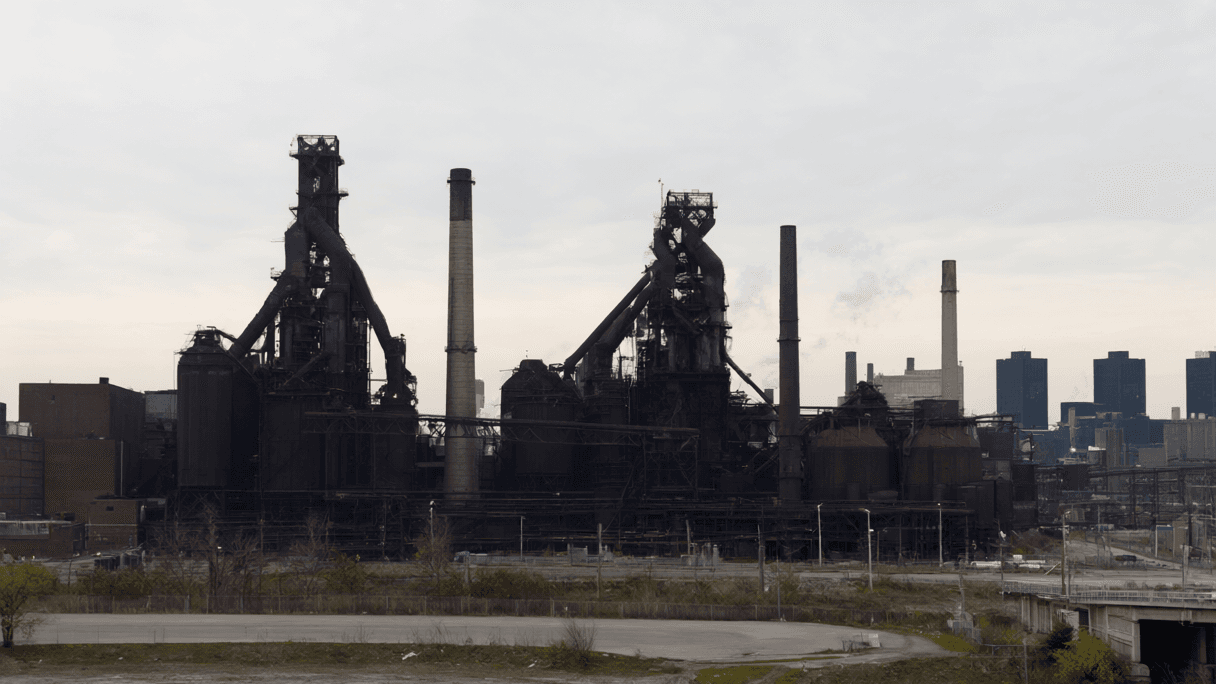
AI-generated image · Bay Street Wire
Opinion: Minister Mélanie Joly threatens the 'full force of the law' over Stelco's job cuts, but without a clear enforcement mechanism, Hamilton's industrial core remains at the mercy of Cleveland-Cliffs.
The rhetoric coming from Ottawa this week is designed to sound resolute. As Global News Toronto first reported, Minister Mélanie Joly has made it clear that the federal government will not stand by while Stelco Holdings Inc. dismantles its employment promises. Joly asserted that the company cannot use the current trade war as a shield to justify cutting jobs it previously committed to maintain.
The government's position centers on corporate hypocrisy. As Global News Toronto reports, the U.S.-based parent company, Cleveland-Cliffs, is led by CEO Lourenco Goncalves, who has publicly backed American steel tariffs. Joly’s argument is straightforward: a company cannot champion the very tariffs that create market pressure and then claim those pressures constitute an 'act of God' or 'force majeure' to justify laying off up to 500 workers.
To understand the stakes, one must look at the origin of the crisis. The Canadian government approved the acquisition of Stelco by Cleveland-Cliffs in 2024 under the Investment Canada Act, contingent upon specific undertakings. Joly stated the deal required the new owner to maintain the number of union jobs and the majority of non-union positions, specifically committing to more than 1,500 jobs.
Joly has doubled down on this, telling reporters that these obligations are binding and that the company "need to comply." She has gone as far as to threaten the "full force of the law" if Stelco fails to provide a plan to meet these commitments. While Joly has sent a formal letter to Stelco president Paul Simon demanding a compliance plan, Global News Toronto reports that Ottawa has not yet received a response.
But does the Canadian government actually possess the leverage to stop this, or is this political theater? Cleveland-Cliffs is a U.S.-based entity with a CEO actively shaping trade policy. If the company proceeds with the layoffs, the actual mechanism for "enforcement action" remains opaque. Does the "full force of the law" mean fines that are a mere cost of doing business, or a legally fraught attempt to unwind a completed acquisition?
Until Ottawa defines exactly what enforcement looks like, the workers at Stelco are left hoping that the government's words are more than just a performance for the cameras. Hamilton's industrial core is too important to be a pawn in a game of political signaling.