
The Illusion of Access

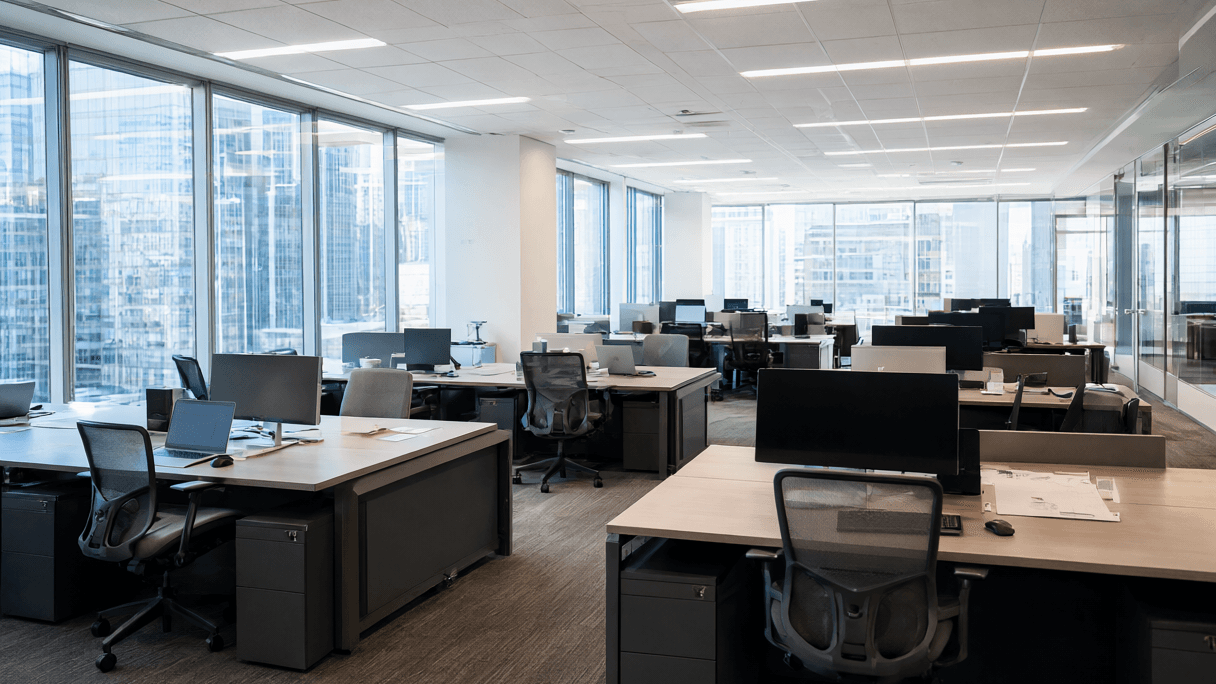
AI-generated image · Bay Street Wire
Anthropic's new partnership with METR offers a glimpse into the machine, but fails to address the people most harmed by it.
OPINION: Anthropic is framing its latest transparency push as a breakthrough in accountability. By granting six researchers from the nonprofit METR employee-level access—complete with company laptops and office space—the company claims it wants to close the gap between internal knowledge and external evaluation, as reported by TechCrunch.
On paper, the arrangement looks rigorous. Anthropic CEO Dario Amodei previously proposed embedding outside evaluators to slow technology development, a move mirrored by OpenAI and supported by a White House accord signed by Google, Meta, Nvidia, and xAI. METR sits at the top of a three-tier system, possessing the right to publish assessments without a company veto, unlike lower-tier evaluators such as SecureBio.
But look closer at the fine print. Anthropic maintains the power to require redactions for "narrow, pre-defined categories," including model architectures. This is a performative gesture of openness. While METR can publicly question whether a redaction was justified, the actual levers of power remain firmly inside the lab.
More glaring is who is missing from this "accountability" loop. As TechCrunch notes, incidents of AI agents ignoring instructions have surfaced frequently since late August. Yet, this solution focuses on technical auditing by a select few researchers rather than the marginalized communities who actually bear the risks of these models. Giving a handful of experts a desk at the office does nothing to empower the people these systems impact in the real world. True transparency isn't about who gets a company laptop; it's about who has a say in whether the technology should exist at all.