
The High Cost of Quick Fixes: Ford's Incineration Push

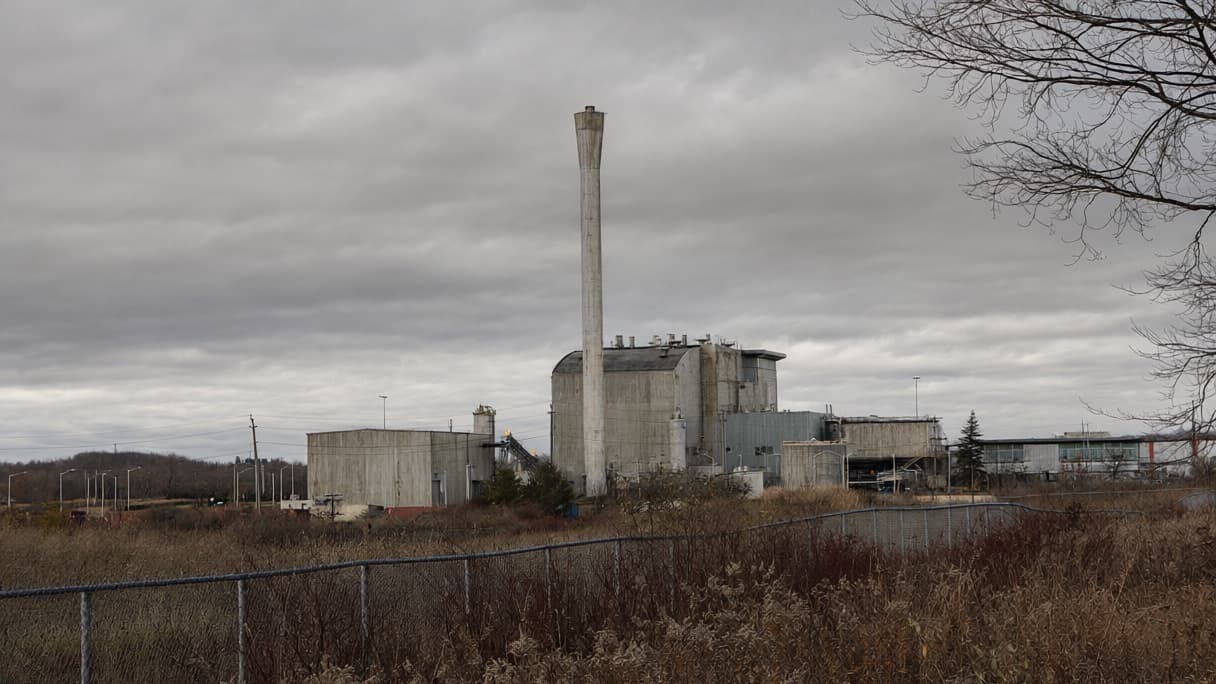
AI-generated image · Bay Street Wire
Bill 140 aims to solve Ontario's landfill crisis, but critics warn that prioritizing waste-to-energy facilities risks environmental degradation and the erasure of local community consent.
At Queen's Park, the Ford government is framing the landfill crisis as an emergency requiring a "call to arms." As CBC Toronto first reported, experts predict Ontario will exhaust its landfill capacity within a decade, leading the province to introduce Bill 140 to expand waste-to-energy facilities and landfills.
According to CBC Toronto, Ontario currently exports over 3 million tonnes of garbage to the United States annually—a practice now complicated by a 50 per cent tariff imposed by President Donald Trump. Environment Minister Todd McCarthy argues that waste-to-energy is a vital diversion strategy to keep trash out of the ground, noting that facilities like the one in his own community near Courtice, Ont., are embraced by residents.
However, Bill 140 would eliminate the current veto municipalities hold over proposed landfill developments. While McCarthy's office did not clarify to CBC Toronto if this extends specifically to incinerators, the shift suggests a move toward centralized provincial control.
***
**Opinion:** This is a dangerous precedent. By stripping municipalities of their veto power, the province signals it will steamroll local opposition to meet industrial targets, often placing facilities in marginalized areas that lack the political capital to fight back.
***
The environmental trade-offs are equally concerning. Karen Wirsig, senior program manager for plastics at Environmental Defence, told CBC Toronto that incineration is expensive and polluting, creating an incentive to destroy resources rather than pursuing reuse.
Proponents point to the Durham York Energy Centre as a success. Built through a public-private partnership and operated by ReWorld, the $284-million facility diverts 140,000 tonnes of household waste per year and powers approximately 10,000 homes. Andrew Evans, Durham Region’s manager of waste and compliance, and York Region’s director of waste management and forestry, Lindsay Milne, both assert the facility fits into long-term strategies for reduction and recycling.
Yet, Evans acknowledges that while the plant reduces waste volume by up to 90 per cent, an ash by-product remains that must be transported to hazardous waste facilities and landfills, meaning incineration transforms the waste into a toxic residue rather than eliminating it.