
The Hidden Cost of the Niagara Floods: Why Your Grocery Bill is Next

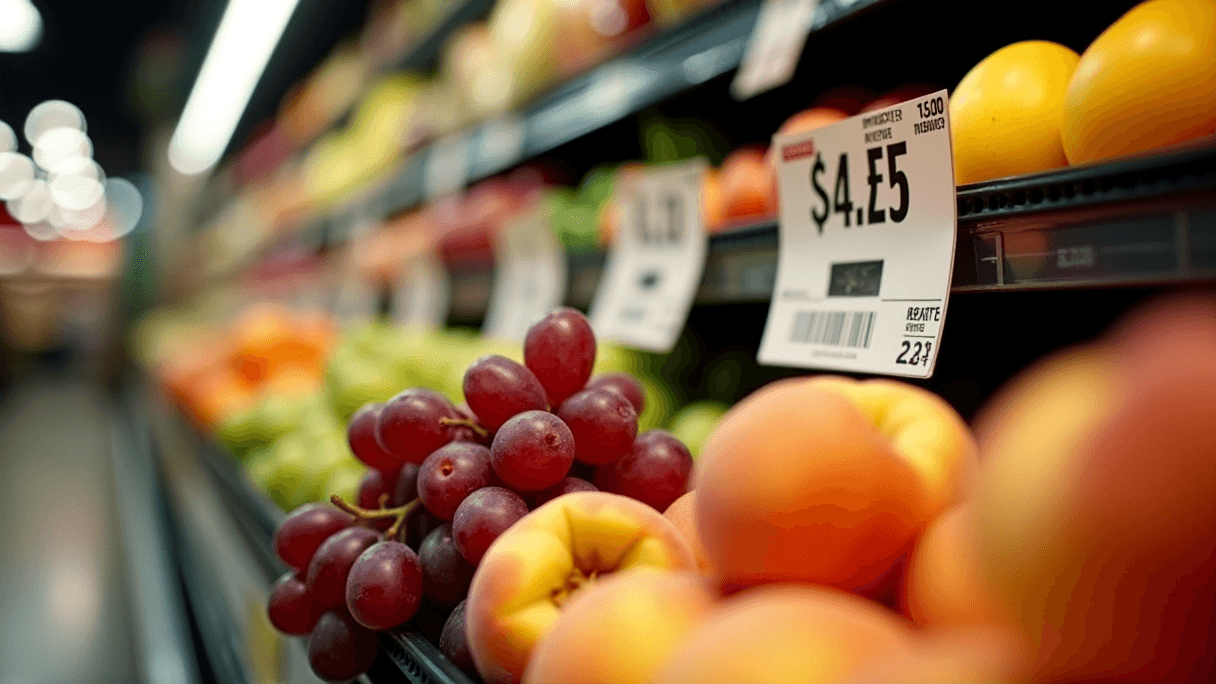
AI-generated image · Bay Street Wire
Opinion: The historic flooding of Ontario's peach and grape crops isn't just a rural tragedy—it's a looming price hike for every consumer in the province.
When we read headlines about torrential rains and flooded basements, it is easy to view the disaster as a localized crisis for homeowners and sewage systems. But as a pocketbook journalist, I see a different kind of disaster unfolding in the orchards of the Niagara region. As CBC News first reported, the recent historic flooding isn't just a farming tragedy; it is a direct hit to the grocery budgets of every family in Ontario.
According to reporting from CBC News, the multiple storms that battered the region between July 21 and Aug. 2 have put the province's tender fruit industry in jeopardy. University of Guelph professor Jay Subramanian, who specializes in biotechnology and tree fruit breeding, warns that cherries, nectarines, and peaches cannot tolerate excess water. When roots become waterlogged, the trees can die. Subramanian estimates that the losses could range from 20 per cent to as high as 40 per cent of the region's peach trees.
While some immediate events, such as the Winona Peach Festival, may remain unaffected for now, the long-term economic ripple effect is inevitable. Subramanian explicitly stated that if the damage is heavy, consumers will feel the impact next summer, noting that such losses will "obviously drive prices up."
This isn't limited to the produce aisle. The flooding has extended into the vineyards, where grape vines—much like peaches—struggle with excess water. Jamie Slingerland, director of viticulture at Pillitteri Estates Winery, told CBC News that two hectares of grapevines were flooded, which could result in $250,000 in lost revenue for the winery. For the consumer, this suggests that the cost of Ontario wine may also rise.
What makes this situation particularly alarming is that these floods are not an isolated incident, but part of a broader climate challenge. Subramanian points out that warming temperatures are already altering the harvest. For example, the Harrow Diamond peach variety, once ripened around July 28 or 29 in Vineland, is now being harvested between July 12 and 15. This shift, occurring over 25 years, means fruit has less time to develop, resulting in smaller and less flavorful peaches.
We are facing a systemic vulnerability. Subramanian notes that Canada is an outlier in fruit production due to the cold, meaning we cannot simply import climate-resistant varieties from warmer regions like Australia or southern Europe. We must breed our own. Yet, Subramanian reports that he is one of only about five people in Canada working on climate-resistant fruit breeding and warns that government support for this research has dropped in recent years.
In response to CBC, Miriam Leardi, a senior communications advisor for the ministry of agriculture, food and agribusiness, stated that the provincial government invested over $343 million in 2023 to support research and innovation in the agri-food sector, as well as $41 million in research infrastructure.
While government figures may look impressive on a balance sheet, the reality on the ground is a precarious one. When nearly half of a regional crop is threatened by a single weather event, the "practical solutions" mentioned by the ministry need to move faster. If we continue to underfund the breeding of resilient varieties, we aren't just risking the livelihoods of Niagara farmers—we are guaranteeing that high-quality, homegrown fruit becomes a luxury item that many Ontario families can no longer afford.