
The Hardware Pivot: SpaceX is No Longer Just a Rocket Company

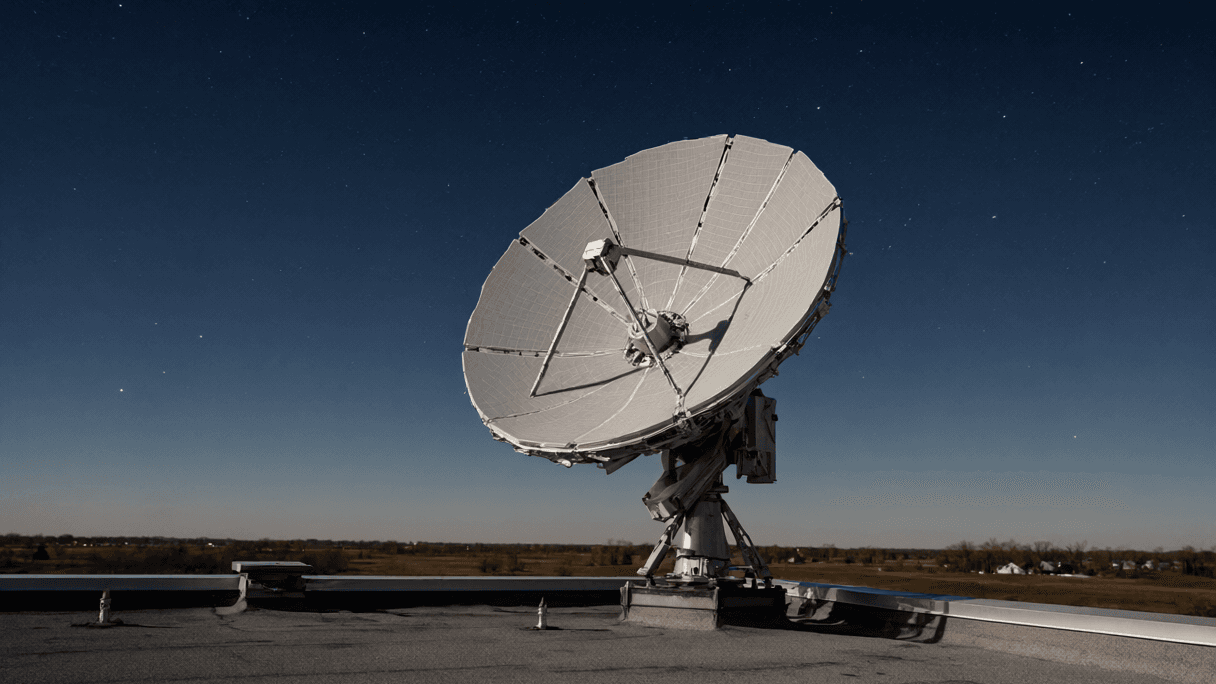
AI-generated image · Bay Street Wire
Opinion: SpaceX's Q3 2026 earnings reveal a massive shift toward 'Super Intelligence' compute, signaling that the path to AI dominance is paved with infrastructure, not just algorithms.
For years, the market viewed SpaceX through the lens of launch cadence and orbital logistics. But as first reported by The Verge, the raw numbers from their Q3 2026 earnings make it clear that Elon Musk is executing a pivot. SpaceX is no longer just a launch company; it is transforming into a massive compute and connectivity play.
In my view, the most telling signal is the emergence of the 'SI' (Super Intelligence) segment. According to reporting from The Verge, SpaceX's SI business generated $7.6 billion in revenue this quarter—a staggering 830 percent increase year-over-year. When you consider that the company's total Q3 revenue hit $14.6 billion, the SI segment is now a primary engine of growth. This isn't a side project; it is a fundamental shift in the company's identity.
The growth of this SI division was primarily driven by three factors: the activation of new cloud services agreements, the increased adoption of Grok among consumers and enterprise customers, and the $60 billion acquisition of the AI coding tool Cursor.
As a hardware nerd, I find the capital allocation here fascinating. While the Space division—the core rocket business—posted a $7 million loss in income from operations, the Connectivity group (which includes Starlink) posted $2.4 billion in income from operations. Meanwhile, the SI group posted $431 million. The contrast is stark: the rockets are the prestige and the utility, but the compute and the connectivity are where the actual margins are scaling.
We are seeing the blueprint for 'Super Intelligence' in real-time. It requires a vertical integration of hardware and software that few companies can match. By combining a massive connectivity footprint—The Verge reports 13.6 million Starlink consumer subscribers and revenues of $5.2 billion for that segment—with a dedicated AI compute arm, SpaceX is building a closed-loop ecosystem. Furthermore, President Gwynne Shotwell has previously outlined plans to build a terrestrial mobile network to challenge incumbents like Verizon, AT&T, and T-Mobile, further expanding the hardware moat.
Critics might point to the volatility of the AI sector, but the scale of the Cursor acquisition suggests that SpaceX is betting heavily on the integration of AI into the very fabric of software development. When you pair that with the 161 percent year-over-year total revenue growth reported by the company, it becomes evident that the market is finally waking up to the hardware requirements of the AI era.
SpaceX is leveraging its position as a launch leader to fund a transition into a compute giant. The rockets get the headlines, but the 'SI' segment is where the future of the company—and perhaps the industry—is being written.