
The Family Computer: Can Apple and Amazon Finally Save the Smart Display?

AI-generated image · Bay Street Wire
New hardware from Apple and Amazon aims to move the category beyond underpowered gadgets, but higher price points may be the new hurdle.
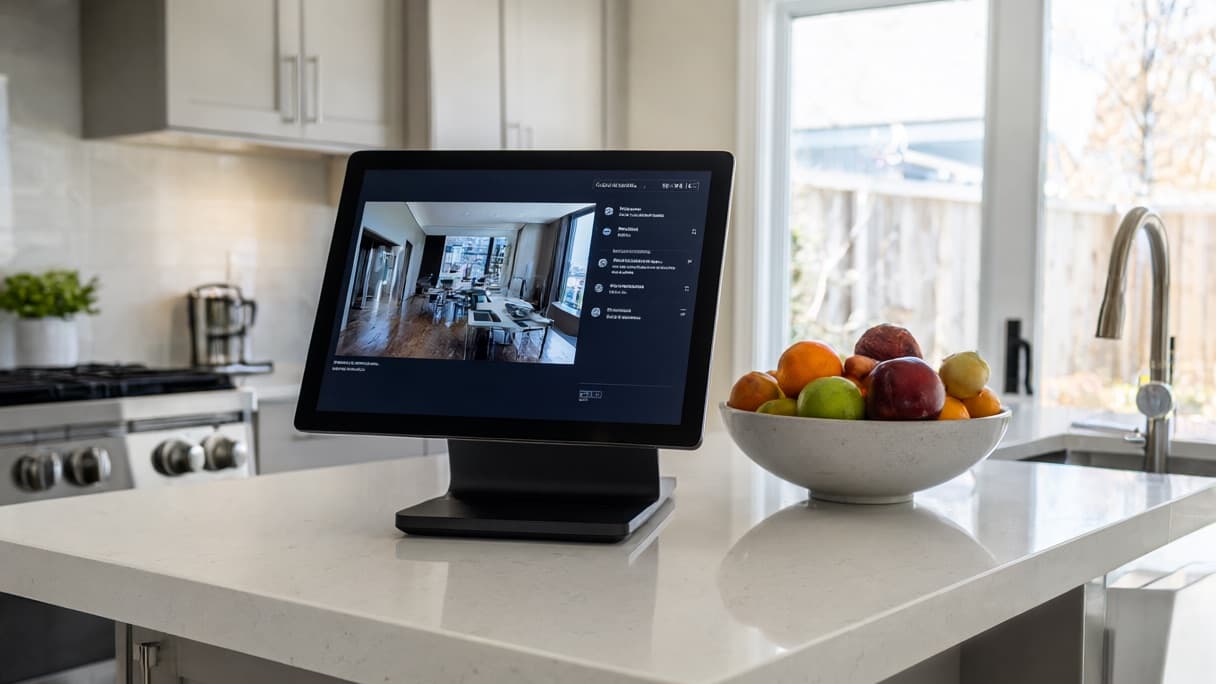
For years, the smart display category has felt like a collection of underpowered gadgets that attempted too many tasks without mastering any of them. However, as The Verge first reported, Apple and Amazon are attempting to pivot these devices into legitimate 'family computers'—centralized hubs for managing calendars, meal plans, and smart home controls.
According to The Verge, the shift is driven by a move toward computer-class hardware. Apple has introduced the HomeView, priced at $299, which features a Liquid Retina display and the A18 chip (the same processor found in the MacBook Neo). Amazon has launched the Echo Show 16 for $499.99, a ground-up rebuild of its line featuring a MediaTek processor and a Nanomatte display shared with its new Alexa Tablet.
While these devices aim to solve the 'mental load' of household management by providing a communal screen for chores and security, they represent a significant price jump. The Verge notes that in 2023, the Nest Hub cost $99 and the Echo Show 5 cost $85; Apple's new entry is three times that price.
The two companies are taking divergent software paths to achieve this hub experience. The Verge reports that Apple's HomeView focuses on a clean, simple interface with some built-in apps and a reliance on the iPhone for others. In contrast, Amazon's Echo Show 16 utilizes a tablet-style interface that allows users to choose between a smart home dashboard or a calendar.
Ultimately, the goal is to create a device that functions as easily as a light switch—always on, without the need for PINs or screensavers—avoiding the pitfalls of traditional tablets, which The Verge notes often suffer from limited multiuser support and battery issues.