
The Erosion of Connection: Why Toronto is Getting Lonelier

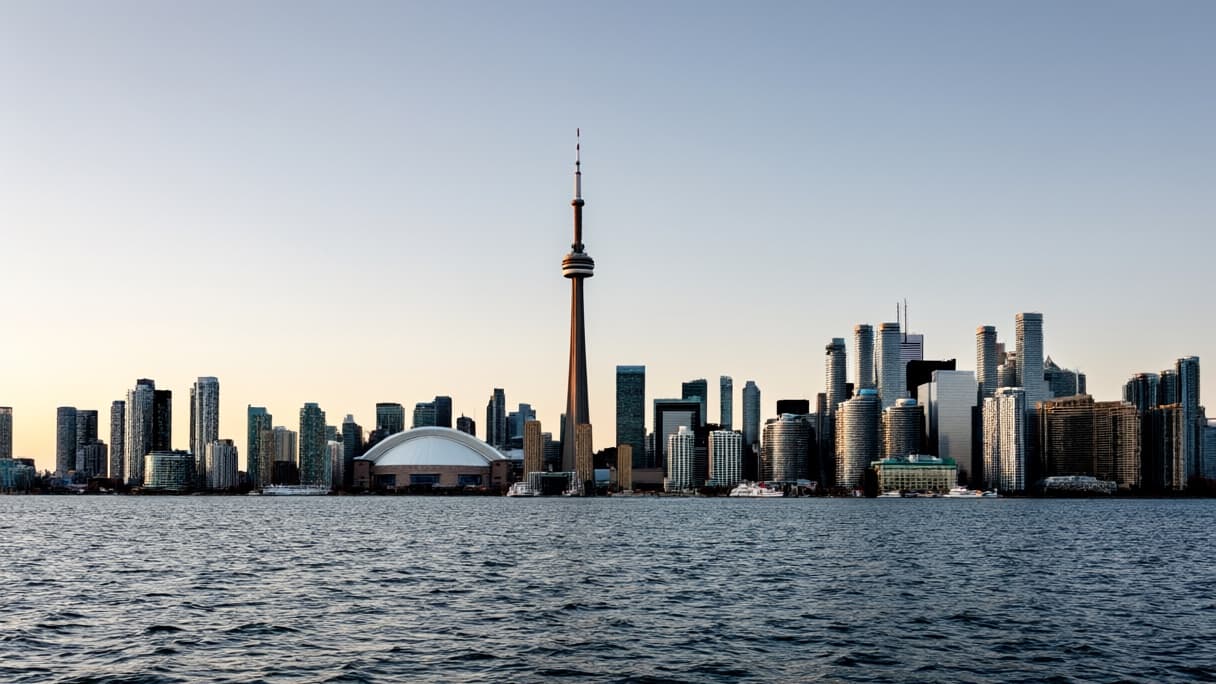
AI-generated image · Bay Street Wire
A new report reveals a sharp decline in close friendships and community participation, suggesting that economic strain is hollowing out the city's social fabric.
Q: What does the latest data say about the state of social connection in Toronto?
A: As first reported by BlogTO, the Toronto Foundation's 2026 Vital Signs Report indicates that Toronto is becoming a lonelier city. The study, which surveyed over 10,000 residents across three waves of research in 2018, 2022, and 2026, found that residents now report smaller social circles and fewer close friendships than they did eight years ago. Specifically, the percentage of residents who have six or more close friends fell from 37 per cent in 2018 to 28 per cent in 2026.
Q: Is this loneliness affecting people's ability to rely on others?
A: Yes. BlogTO reports that the Toronto Foundation's study found a significant drop in the number of people residents feel they can depend on. In 2018, 43 per cent of residents said they had someone they could rely on; by 2026, that number had fallen to just 30 per cent.
Q: How has community participation changed over the last eight years?
A: Participation has declined significantly. According to BlogTO, the rate of community participation fell to 51 per cent in 2026, down from 65 per cent in 2018. This decline is not felt equally across the city; the report highlights that group participation among Toronto's lowest-income residents has plummeted by 31 per cent since 2022, while participation among the city's highest-income residents only decreased by two per cent.
Q: What factors are contributing to this social erosion?
A: The Toronto Foundation's report identifies economic pressure as a primary driver. BlogTO reports that rising living and housing costs, combined with the disruptions of the pandemic between 2018 and 2022, have strained household budgets. The study notes that in 2026, one in three Toronto residents experienced income, housing, or food insecurity, which shapes the opportunities people have to engage in community life.
Q: Is there any hope for rebuilding these connections?
A: Despite the worrying trends, the report finds that residents still value their city and community. BlogTO reports that 82 per cent of those surveyed are proud to be Toronto residents, and 74 per cent feel a strong or somewhat strong sense of belonging to their local community. Furthermore, 85 per cent believe that people working together can make some difference in solving community problems. There is also a rebound in volunteering, which rose to 33 per cent in 2026 from 25 per cent in 2022.
Q: What is the path forward for the city?
A: Sharon Avery, President & CEO of Toronto Foundation, told BlogTO that there is a worrying erosion of the relationships and participation necessary for a city to function. The report suggests that while Toronto does not lack people who care, the city needs to create more "places to go, reasons to return and opportunities to contribute" to make it easier for residents to integrate into community life.