
The Diplomacy of Silence: Why Canada's 'War on Disinformation' Stops at the U.S. Border

AI-generated image · Bay Street Wire
Opinion: By pulling support for a conference analyzing U.S. interference, Global Affairs Canada isn't fighting falsehoods—it's protecting a powerful partner from the truth.
Let's be clear about what is happening in the name of 'fighting disinformation.' As first reported by CBC News, when the federal government claims to be committed to the truth, it usually means the truth that doesn't complicate a trade deal or offend a superpower.
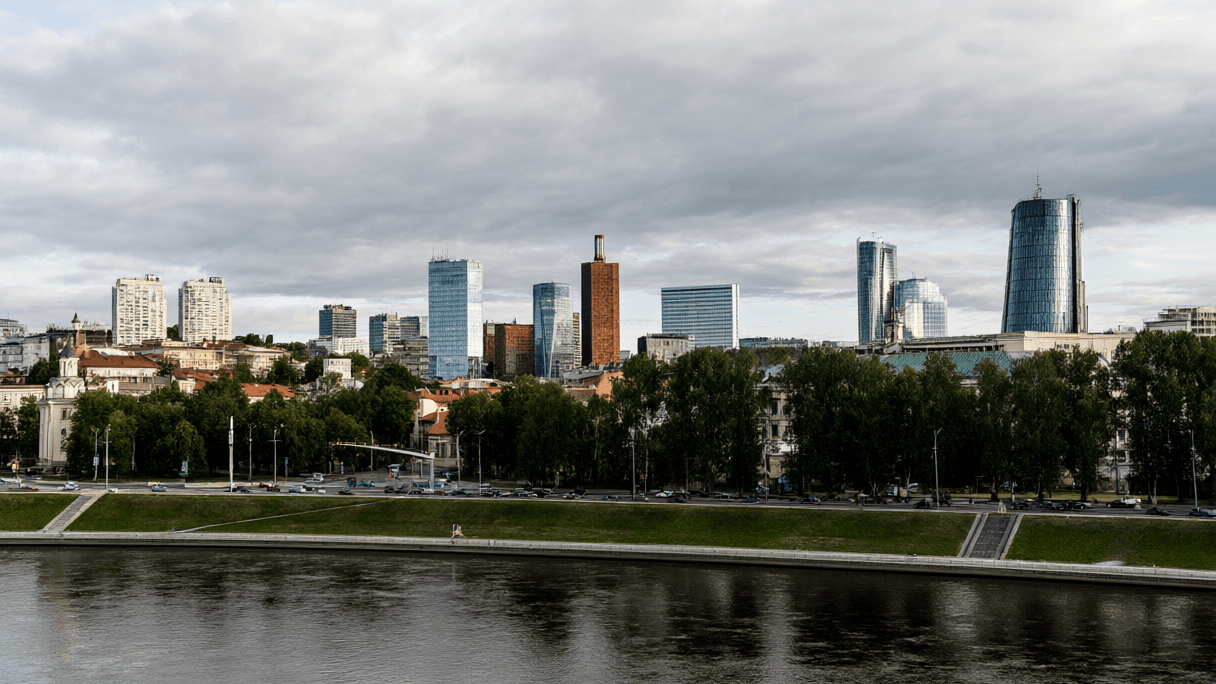
Global Affairs Canada (GAC) recently withdrew its sponsorship of a European disinformation conference in Vilnius, Lithuania. The reason? The event, organized by the Brussels-based non-profit EU DisinfoLab, featured panels discussing the United States government as a risk for foreign interference.
This is where the government's logic collapses. According to CBC News, the conference focused on "foreign information manipulation and interference (FIMI)"—a process where foreign actors manipulate information to mislead the public and erode institutional confidence. If the goal is truly to combat FIMI, then analyzing the tactics of any major global power—including the U.S.—should be a priority, not a reason for censorship.
Instead, Samantha Lafleur, a spokesperson for Global Affairs Canada, told CBC News that the government took issue with the "framing" of certain panels. In a statement, Lafleur noted that GAC decided to revise its participation after changes to the framing of several discussions. While the government maintains it is "firmly committed" to addressing disinformation, it suddenly finds the framing unacceptable when the target of the analysis is our largest trading partner.
It is telling that this withdrawal happened as Canada is currently embroiled in a bitter and personal trade dispute with the administration of U.S. President Donald Trump. When diplomacy is under strain, the government doesn't want its officials associated with research that suggests the U.S. operates as a FIMI actor.
This isn't just a Canadian quirk. CBC News reports that Lithuania's Foreign Ministry and the European External Action Service (EEAS) also pulled their support. The EEAS stated its logo was removed because the organizers framed discussions in a way that did not align with the official positions of the EU. The result, as seen in photos shared with CBC News, was the sight of government logos being covered up on signs around the conference.
But the censorship didn't stop at the sponsorship level. Ben Shultz, a presenter with the American Sunlight Project, told CBC News that a GAC official also stepped down from chairing a session regarding disinformation in the Arctic. This panel intended to discuss evidence that the United States has operated as a FIMI actor within specific Arctic contexts.
Shultz described the withdrawal of three governments as a "shock" and questioned if they had been pressured. While the researchers and speakers still showed up, the message from Ottawa and its allies was loud and clear: some interference is too politically sensitive to be discussed.
There is a profound irony here. While the government postures as a defender of democratic institutions against foreign manipulation, it is actively distancing itself from academic and civil society efforts to identify that very manipulation when it originates from the U.S.
If the government is genuinely concerned about the erosion of confidence in institutions, it should be supporting the research that exposes how those institutions are manipulated—regardless of the perpetrator's passport. Instead, Global Affairs Canada is treating the truth as a diplomatic liability.
By scrubbing its logo from the EU DisinfoLab conference, Canada isn't fighting disinformation. It is simply deciding which parts of the truth are acceptable for public consumption and which parts are too inconvenient for the current political climate. That isn't a strategy for transparency; it's a strategy for optics.