
The Digital Leash: Why Ontario's Push for Digital ID is a Privacy Trap

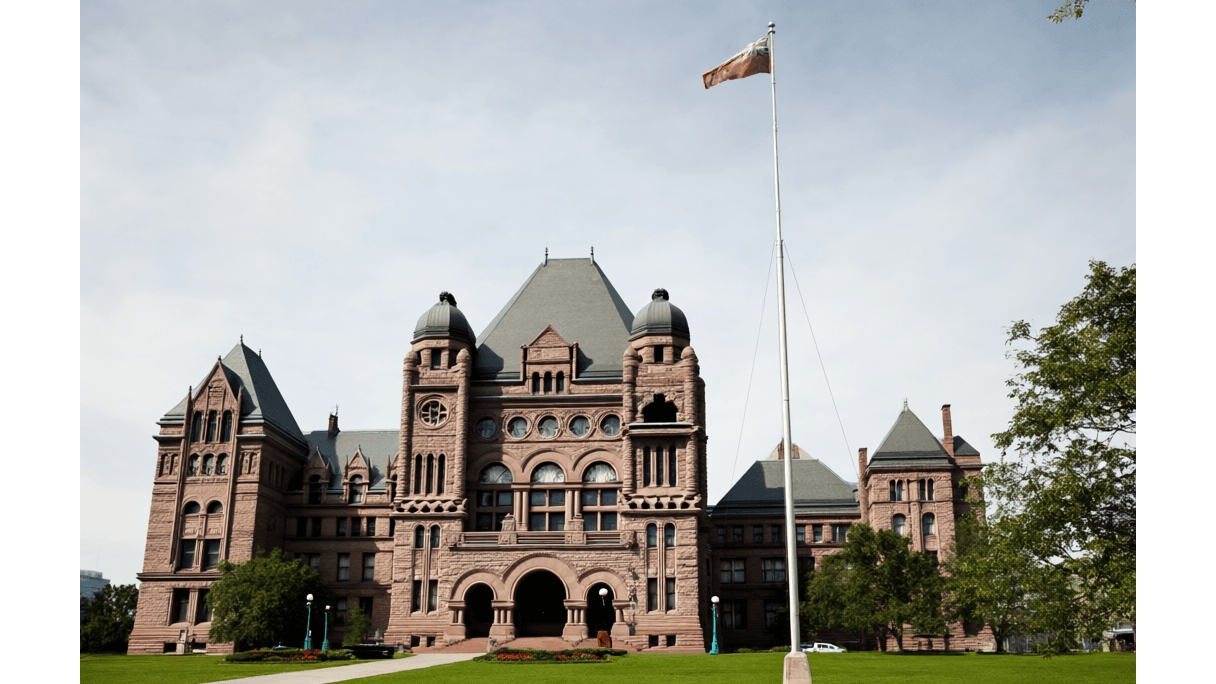
AI-generated image · Bay Street Wire
Opinion: The province promises convenience and security with its proposed digital photo cards, but we are being asked to trade fundamental privacy for a system that turns our identities into hackable data points.
The provincial government is currently selling us a dream of frictionless living. In a recent announcement, the ministry of public and business service delivery and procurement revealed a proposal to introduce a digital version of the Ontario Photo Card—the government-issued identification used by residents who do not hold a driver's license. On the surface, it sounds like a modern upgrade. But if you look past the glossy promise of 'convenience,' you find a proposal that threatens to tether our most sensitive personal data to a digital infrastructure we cannot trust.
Minister of Public and Business Service Delivery and Procurement Stephen Crawford has framed this initiative as a step toward making identification 'more secure, convenient and cost-effective.' As CBC Toronto first reported, the government claims that digital credentials will offer a 'trusted and seamless way' to present ID, which will supposedly protect personal information while reducing the risks associated with lost or stolen physical identification and identity theft.
Let's be clear: this is a classic government pivot. By framing the digital ID as a tool to *prevent* identity theft, the province is ignoring the far more systemic risk it creates. When you move a physical identity—something you hold in your hand and control physically—into a digital credential, you aren't eliminating risk; you are centralizing it. You are transforming a piece of plastic into a hackable data point. In an era of constant cyber-attacks, the idea that a digital database is 'more secure' than a physical card is not just optimistic; it is dangerous.
According to CBC Toronto, the province intends to begin consultations later this year, with the goal of introducing legislation in 2027. They are also signaling that this is only the beginning, noting that further consultations will eventually address the introduction of optional digital health cards and driver's licenses. This is the blueprint for a total digital identity ecosystem. While the government insists these tools are about 'choice, convenience and flexibility,' the reality is that once the infrastructure for digital surveillance is built, the 'option' to opt-out becomes a luxury that few can actually afford in a society that demands digital verification for every basic interaction.
To be fair, the ministry of public and business service delivery and procurement has attempted to soothe privacy concerns. CBC Toronto reports that the province will look to introduce a law next year specifically to protect the right of Ontarians to continue using only physical identification. They want us to believe that because the digital version is 'optional,' our privacy remains intact.
But this is a facade. The danger isn't just in whether we are forced to carry a digital ID; it's in the creation of the system itself. When the government creates a digital credential, it creates a trail. Every time a digital ID is 'seamlessly' presented, a data point is generated. The convenience the province is pitching is, in reality, a digital leash. We are being asked to trade the anonymity of a physical card for a system that allows the state—and whoever manages the technology—to track the movement and verification of our identities in real-time.
Minister Crawford claims that these changes will make government services 'cost-effective.' Note the phrasing. The primary benefit highlighted here isn't the empowerment of the citizen; it's the reduction of government costs. We are being asked to shoulder the privacy risk so the province can balance its books.
As we enter the consultation phase, we must ask ourselves: what is the actual price of this 'convenience'? The province says digital IDs will provide an 'added layer of security,' but they have yet to prove that a digital system can ever be as secure as a physical card that doesn't require a server, a password, or a network connection to exist.
We cannot allow the allure of a 'seamless' experience to blind us to the erosion of our fundamental right to privacy. A photo card should be a tool for identification, not a gateway for digital tracking. If the province truly cares about protecting personal information, it should stop trying to digitize our identities and start focusing on the security of the systems they already manage. Until then, the digital Ontario Photo Card isn't progress—it's a liability.