
The Cost of Rhetoric: How Targeted Violence Silences Civic Participation

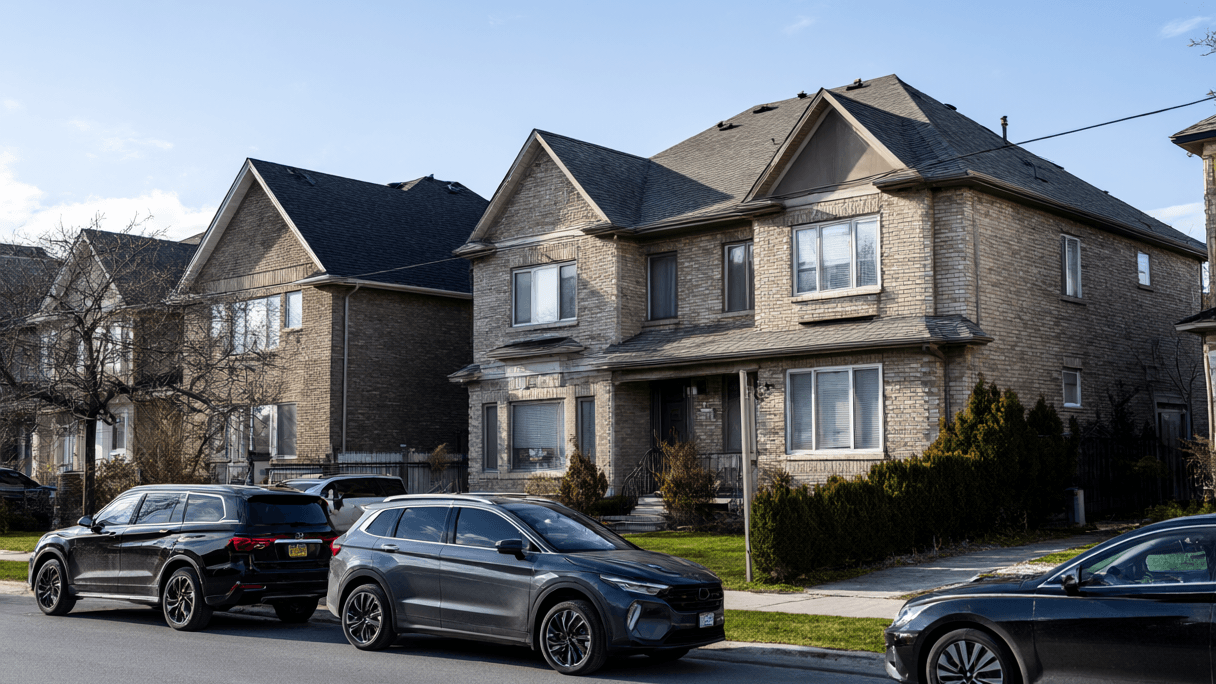
AI-generated image · Bay Street Wire
The arson attack on MP Salma Zahid underscores a dangerous trend where online hate manifests as real-world violence, threatening the safety of Canada's representatives.
The transition from digital vitriol to physical violence is no longer a theoretical risk for Canada's elected officials; it is a documented reality. For Liberal MP Salma Zahid, as CBC first reported, this reality manifested in August when a man was filmed pouring gasoline and lighting five vehicles on fire outside her home in the Toronto suburb of Scarborough.
According to reporting from CBC, Toronto Police have characterized the incident as an arson attack. While one person has been arrested, Zahid noted that the individual is a hired driver who was employed by the person spotted in security footage; that driver has refused to identify his employer. As a result, the main perpetrator has not yet been caught.
For Zahid, who was born in the U.K. to a Pakistani family and wears a hijab, the attack is not an isolated event but a symptom of a broader, escalating tide of violent rhetoric. In an interview with The Canadian Press, as cited by CBC, Zahid warned that it is "not uncommon for online rhetoric to cross over into real-world violence." She expressed concern that such incitement fuels Islamophobia, antisemitism, and anti-Palestinian racism, creating an environment where hateful language becomes a catalyst for danger.
***
**Opinion: The Erosion of the Democratic Door**
*The tragedy of the attack on MP Zahid is not only the physical destruction of property or the trauma inflicted upon her family and staff, but the systemic erosion of accessibility that defines Canadian democracy. When a representative is forced to abandon walk-in visits in favor of an appointments-only model and 24/7 security, the civic compact is broken. The danger here is a chilling effect: when the cost of public service is the safety of one's home, the very people Canada needs in office—minorities and newcomers—may be deterred from running. Violence is not just an attack on an individual; it is a strategic tool used to shrink the diversity of the Canadian political landscape.*
***
Zahid's experience is part of a wider pattern of harassment facing parliamentarians. CBC reports that former Liberal MP Pam Damoff opted not to seek re-election last year, citing constant threats, misogyny, and harassment that intensified following the COVID-19 pandemic. Damoff previously expressed fear that such volatility could lead to the death of an MP.
This climate of fear has forced the House of Commons to implement drastic security measures. CBC notes that officials have provided MPs with "mobile duress alarms"—panic buttons designed to alert local police or Parliamentary Protective Services—since June 2022. In Zahid's specific case, House of Commons officials have arranged full-time security at her residence and are now vetting all invitations she receives. Her constituency office remains restricted to appointments only until a security assessment is completed and new cameras are installed.
Zahid has extended her concerns beyond her own experience, noting that violent rhetoric is targeting other leaders, including NDP Leader Avi Lewis following his comments on Israel, and Prime Minister Mark Carney, who has recently been the subject of three arrests related to death threats.
As Zahid told The Canadian Press, the goal of such attacks is often to frighten representatives into silence. By targeting those who represent the diverse fabric of Canada, these actors threaten the vigorous debate essential to a functioning democracy.