
The Border as a Barrier: When Immigration Fear Becomes a Death Sentence

AI-generated image · Bay Street Wire
The death of Paige Adamson illustrates a harrowing intersection of geography and policy, where the fear of state detention transforms a treatable medical crisis into a fatal isolation.
The tragedy of Paige Adamson is not merely a story of medical misfortune; it is a stark illustration of how the fear of state intervention can function as a lethal barrier to essential health care. When a patient views a trip to the clinic or a call to paramedics as a potential ticket to a detention center, the healthcare system has effectively ceased to exist for them.
As CBC News first reported, Adamson, a 61-year-old Canadian citizen and U.S. permanent resident, died at her home in Point Roberts, Washington, after refusing to seek medical assistance following a fall. The catalyst for this refusal was a profound fear of being detained or deported. Just one month prior, Adamson had been stopped at the Point Roberts border crossing and interrogated for hours regarding whether she had unlawfully voted in a U.S. election. Because of this event, she was set to appear before a federal immigration judge in Seattle for a deportation hearing on Nov. 4.
**Opinion: The Systemic Toll of Fear**
From a patient-advocacy perspective, this is where policy failure becomes a systemic death sentence. When the state's immigration apparatus creates an environment of such extreme anxiety that a debilitated person chooses death over the risk of detention, the failure is no longer administrative—it is humanitarian. For the marginalized, the 'safety net' of health care is only accessible if the path to reach it is free from the threat of state violence or incarceration.
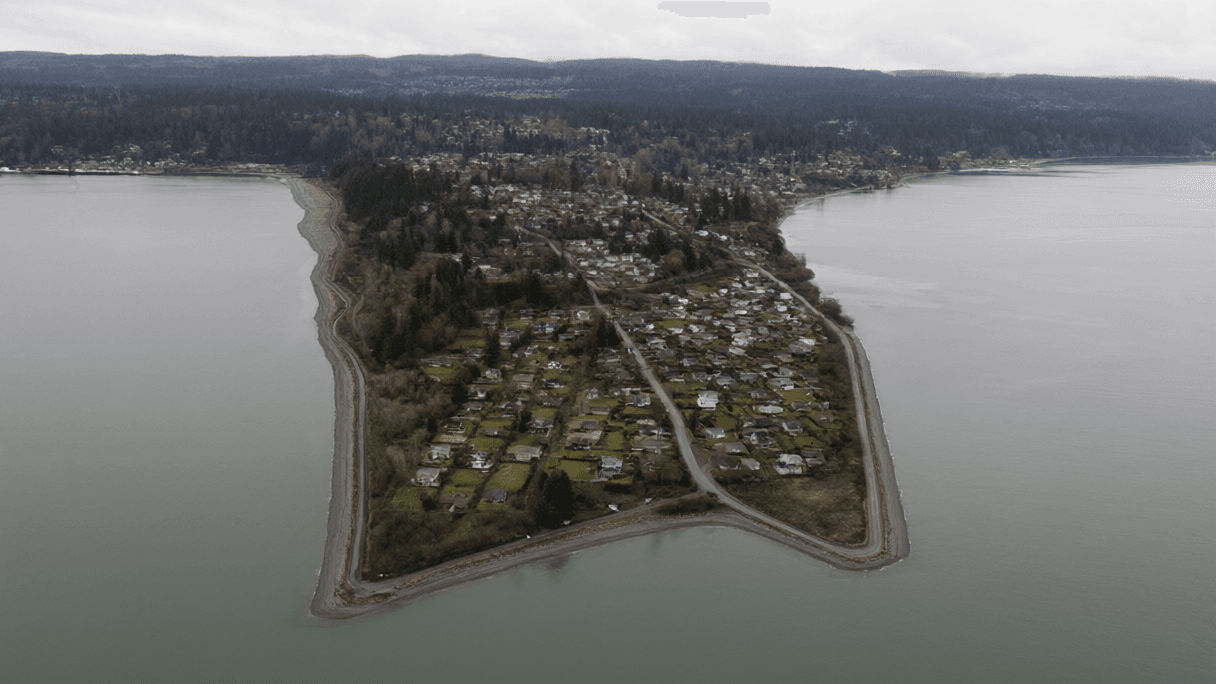
As CBC News reports, the geography of Point Roberts—a U.S. pene-exclave isolated from the rest of the country by land—further intensified Adamson's isolation. To access medical care in Washington state, residents must cross into Canada. U.S. immigration lawyer Len Saunders told CBC News that Adamson had been missing appointments with her doctor in Bellingham, Wash., because she feared being detained by ICE upon attempting to return to the U.S. Saunders noted that while Adamson's status legally allowed her to enter and leave the country during deportation proceedings, border officials maintained the discretion to detain individuals and send them to the Northwest Detention Centre in Tacoma.
The desperation of Adamson's final days is captured by Annelle Norman, a Point Roberts community support officer and neighbor. Norman told CBC News that Adamson contacted her to borrow crutches from the nonprofit Circle Of Care. Upon arriving, Norman found Adamson in severe pain and unable to stand unaided. Even as Norman urged her to seek help from a local clinic or call paramedics, Adamson declined, saying, "No, no, I'm afraid if I go, I won't be able to come back. They'll keep me or they'll deport me."
Saunders told CBC News that Adamson lacked the financial means to bypass the border via boat or airplane, effectively leaving her in a state of self-imposed detention. He described the outcome as the "absolute worst case," noting that Adamson had no criminal convictions or prior immigration violations.
While Deb Slater, a public information officer for the Whatcom County Sheriff, stated the death "appeared to be of natural causes," the context provided by those who knew Adamson suggests a different primary cause: a systemic terror that rendered medical intervention an unthinkable risk. When the fear of the state outweighs the instinct for survival, the system has failed in its most basic duty to protect human life.