
The Blueprint: Why Kash Kwajah is the New Standard for the 2028 Draft

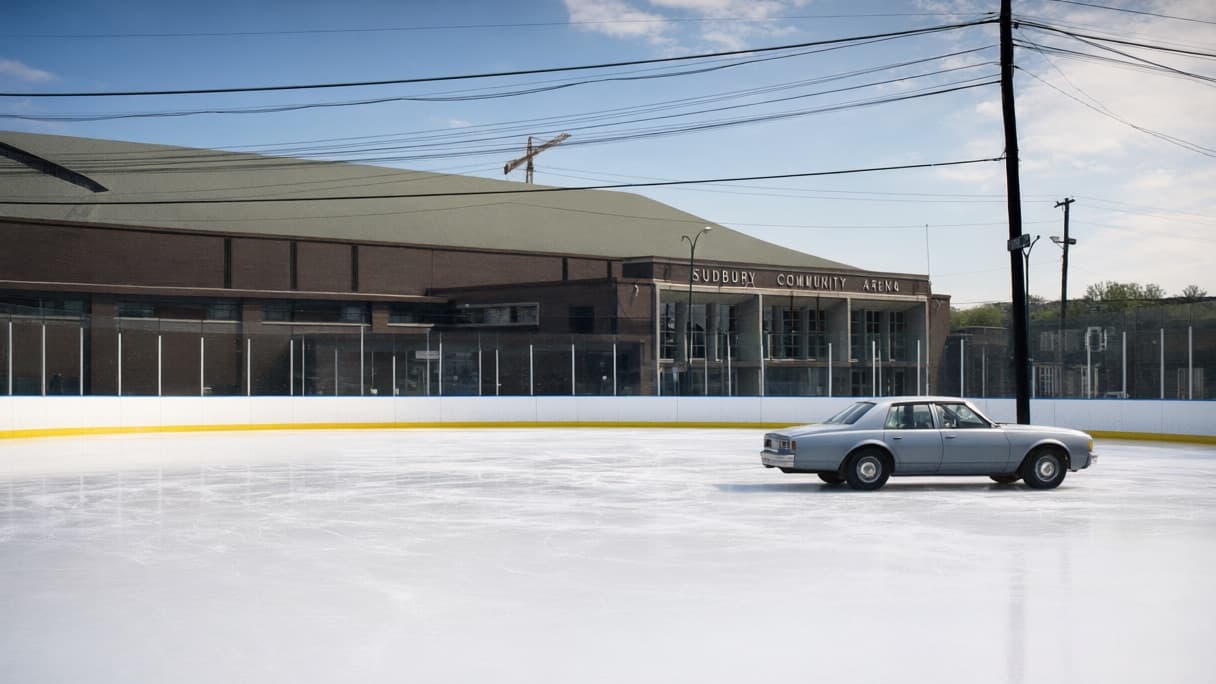
AI-generated image · Bay Street Wire · Based on a photo by Barry Lewis (CC BY 2.0, Wikimedia Commons)
Opinion: Sudbury Wolves rookie Kash Kwajah isn't just a statistical anomaly; his unique developmental path signals a shift in how the next generation of power forwards will be built.
In the world of prospect scouting, we often mistake a hot start for a flash in the pan. But as I look at the early trajectory of Kash Kwajah with the Sudbury Wolves, I don't see a temporary surge. I see a blueprint. In my opinion, Kwajah is redefining the prototype for the modern forward, and he is likely to be the focal point that reshapes the 2028 NHL Draft board.
To understand why Kwajah is different, you have to look at the foundation. While most prospects are grinding through standard youth hockey systems, Kwajah’s skating was forged in figure-skating programs, as Sportsnet first reported. According to that reporting, Kwajah and his brother Jet trained under former pairs world championship bronze medallist Bryce Davison and former Toronto Maple Leafs skating coach Michele Moore Davison.
This isn't just a trivia point; it's a competitive advantage. Kwajah himself told Sportsnet that this training helps "100 per cent," allowing a player to establish a skating base before ever introducing a stick. We are seeing the results in real-time. Kwajah has already notched 18 points in his first 17 OHL games and tied for second in scoring at the World U17 Challenge in Oakville, Ont., where he recorded 10 points in five games for bronze-medal-winning Canada Red.
But the "franchise player" label—a term explicitly used by coach Justin Teakle in the Sportsnet report—doesn't come from skating alone. It comes from the versatility that modern GMs crave. Wolves coach Scott Barney told the Sudbury Star that Kwajah is a player the team counts on in every single situation, whether he is killing a penalty, playing defense, or driving the offense.
When you combine that two-way reliability with the raw offensive ceiling that has him ranked second in scoring in his draft class (trailing only Michigan's Aiden Kelly), you get a player who transcends the traditional center role. He is a dynamic force who can anchor a line or, as Teakle suggests, serve as the cornerstone for an entire franchise.
There is also the matter of the "steal." Kwajah was picked fifth overall by the Wolves in the OHL Draft, but Teakle argues he should have gone much higher. That gap between perceived value and actual production is where the most dangerous prospects live. As the Wolves prepare to open a new arena in 2028, they aren't just building a stadium; they are building a culture around a player who possesses the humility and coachability that Barney highlights.
If you look at other top-tier candidates for the 2028 first overall pick, such as World U17 Challenge scoring leader Maddox Schultz, you see a similar trend: a background in figure skating. Kwajah isn't an outlier; he is the vanguard of a new era of athletic development.
By the time the 2028 draft arrives, the league won't just be looking for the biggest body or the fastest hands. They will be looking for the Kwajah model: elite, non-traditional skating mechanics paired with a high-IQ, two-way game. The Sudbury Wolves may have found their franchise player, but the rest of the hockey world is about to find a new standard for excellence.