
The Blue Wave Delusion: Why a Democratic Congress Won't Save Canada

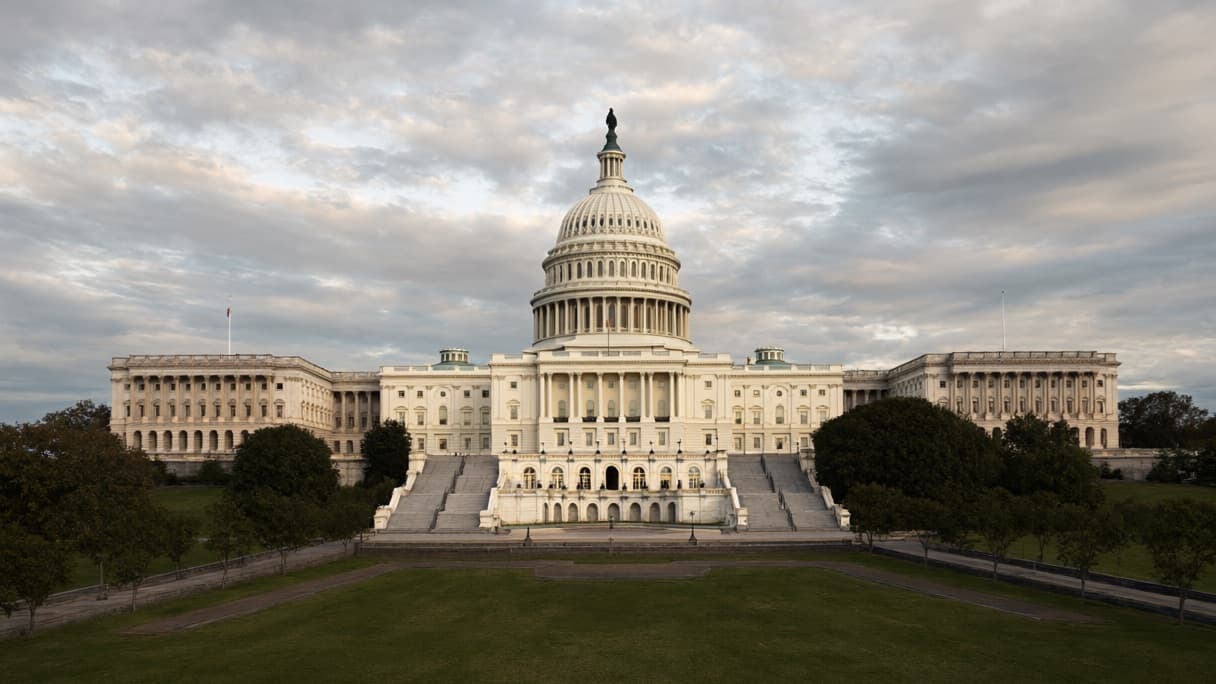
AI-generated image · Bay Street Wire
Opinion: Believing that the U.S. midterm results will magically repair structural rot and trade wars is a dangerous fantasy.
There is a certain kind of naive optimism floating around the Great Lakes right now. Following the midterm elections on November 3, where Democrats flipped seven Senate seats and over two dozen House seats, some are treating the 'blue wave' as a magic wand that will suddenly cure the dysfunction in Canada-U.S. relations.
I’ll be blunt: this hope is a delusion we can no longer afford.
Reporting from CBC Toronto and CityNews Toronto highlights the relief felt by some, such as Lucia Lloyd, a Virginia native and Anglican priest in Bowmanville, Ont., and Kate Kitchen, a dual citizen born in Ohio who resides in Peterborough, Ont. They view the Democratic victory as a check on President Donald Trump’s powers and a sign that 'trustworthy, intelligent, compassionate people' are now in office.
But let's look at the actual structural reality. As Matthew Lebo, a political scientist at Western University in London, Ont., correctly notes, it is far too soon to celebrate. The fundamental problem isn't just who holds the gavel in Congress; it's the man in the Oval Office. Lebo points out that despite the shift in legislative power, it is still going to be Donald Trump and the same circle of advisors negotiating with Canada.
We are talking about a president who has not only launched a trade war and imposed tariffs on Canadian goods but has also mused about annexing the country. The idea that a few dozen House seats and seven Senate seats will suddenly make the White House 'reasonable' is a fantasy. Even if the new Democratic majority attempts to push back against tariffs—which Lebo suggests they may try—the next two years are likely to remain 'very confrontational' both within the American government and between the two nations.
More concerning is the systemic decay that transcends party lines. Lebo argues that the most critical issue isn't the tariff war, but whether Canada is living next to a 'full democracy,' noting that the U.S. has been sliding toward an authoritarian system, a process that accelerated under Trump.
If the American electorate voted Trump in just two years ago, there is no guarantee that this midterm shift represents a permanent rejection of the cruelty, threats to immigrants, or overt racism that have defined this era. As Lebo puts it, it will take several more elections to determine if these tendencies have been truly rejected.
Rob Russo, a Canada correspondent for The Economist, suggests that Canada should look for signs that fellow Republicans might nudge Trump toward reasonableness. But relying on the 'nudges' of political allies or the hopes of expats is not a foreign policy strategy; it's a prayer.
Canada cannot afford to mistake a legislative shift for a structural cure. The rot is deep, the tensions are heightened, and as long as the current administration remains in power, the path to normalization is blocked. We can welcome the Democrats' victory, but if we believe it solves our problems, we are simply ignoring the reality of the neighbor we actually have.