
The Bailout Cycle: Emergency Funding Masks a Systemic Collapse in Long-Term Care

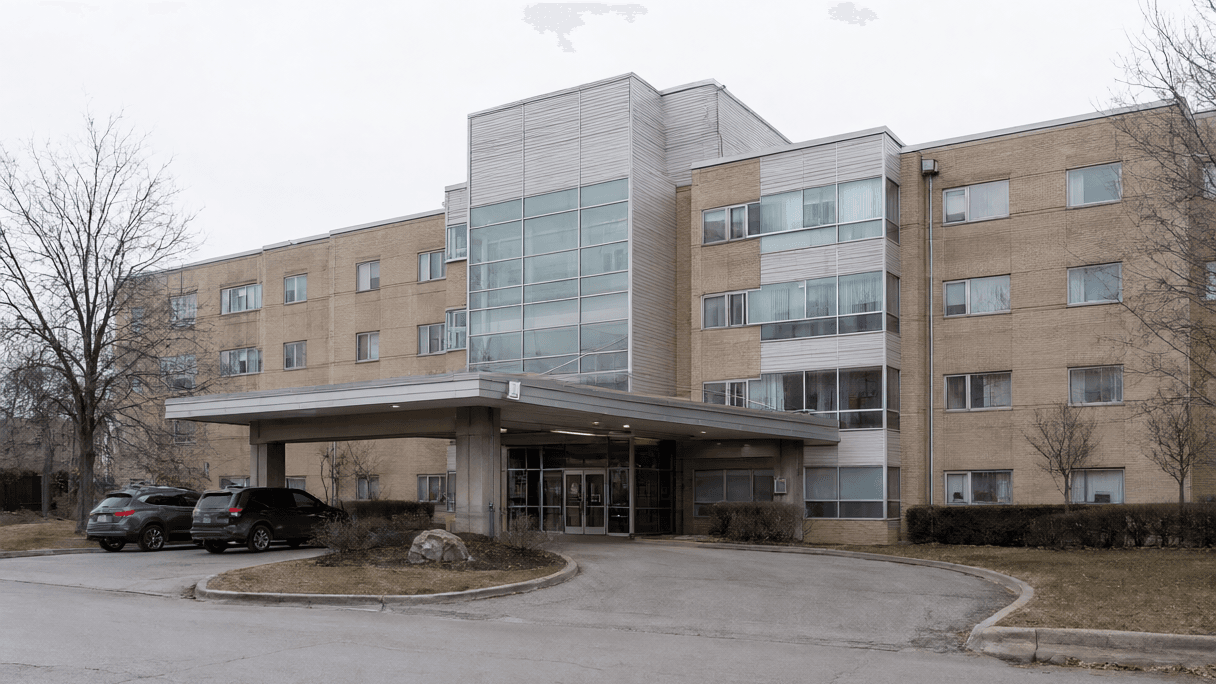
AI-generated image · Bay Street Wire
Internal data reveals a surge in 'homes in distress' payments, suggesting that one-time government infusions are failing to stabilize a sector facing unprecedented frailty.
OPINION: The Ontario government is treating a hemorrhaging healthcare system with a series of expensive band-aids. While the Ministry of Long-Term Care points to record investments, internal data reveals a disturbing trend: an increasing number of care facilities are teetering on the brink of collapse, kept afloat only by emergency bailouts.
According to data obtained by Global News Toronto via freedom of information laws, as first reported by the outlet, the province maintains a "homes in distress" fund specifically for operations facing acute financial risks. This pot of money is intended for "exceptional circumstances" to help homes achieve stability. However, the frequency and scale of these payments suggest that these crises are becoming the norm rather than the exception.
The numbers paint a picture of accelerating instability. In 2021-22, the Ford government spent $2.4 million to bail out four homes (one non-profit and three for-profit). By 2022-23, that figure jumped to $9.7 million. The trend continued upward, with $9.7 million distributed among four non-profit homes in 2023-24, and a staggering $17.2 million spread across six homes in 2024-25. Most recently, in 2025-26, four non-profit homes needed $10.9 million in emergency short-term bailouts.
These are not merely accounting errors; they are signals of systemic failure. The largest single bailouts have grown annually, rising from $1.3 million in 2021-22 to $7 million in 2024-25, and $6.3 million in 2025-26, as reported by Global News Toronto.
Laura Tamblyn-Watts, CEO of the seniors advocacy group CanAge, describes these figures as a "red flag." She argues that despite government investments, the current reality is only the "tip of an iceberg," driven by an aging population and residents exhibiting levels of frailty previously unseen in the sector.
There is also a stark divide in who receives this lifeline. While for-profit homes received an average of $350,000 each in 2021-22, the bulk of emergency funding has shifted toward non-profits. Tamblyn-Watts notes that the Ford government has shown a preference for supporting the non-profit sector, likely because for-profit homes can charge for additional services. However, the instability of the for-profit model is evident elsewhere; Lisa Levin, CEO of AdvantAge Ontario, stated that the majority of long-term care homes that have shut down entirely in recent years were for-profit operations.
The Ministry of Long-Term Care defends its record, citing over $9 billion allocated this year, including a $139.4 million increase in Level of Care funding and over $2 billion annually for healthcare worker support. The Ministry maintains that while individual homes are responsible for their own financial accounting, the government provides the necessary tools and resources.
But for the residents living in these facilities, "tools and resources" are cold comfort when their homes are functionally bankrupt. When the government relies on one-time payments to prevent total collapse, it isn't solving the problem—it is simply delaying the inevitable for the province's most vulnerable citizens.