
The Attendance Illusion: Why the Jays' 2026 Turnstile Surge Masks a Pipeline Crisis

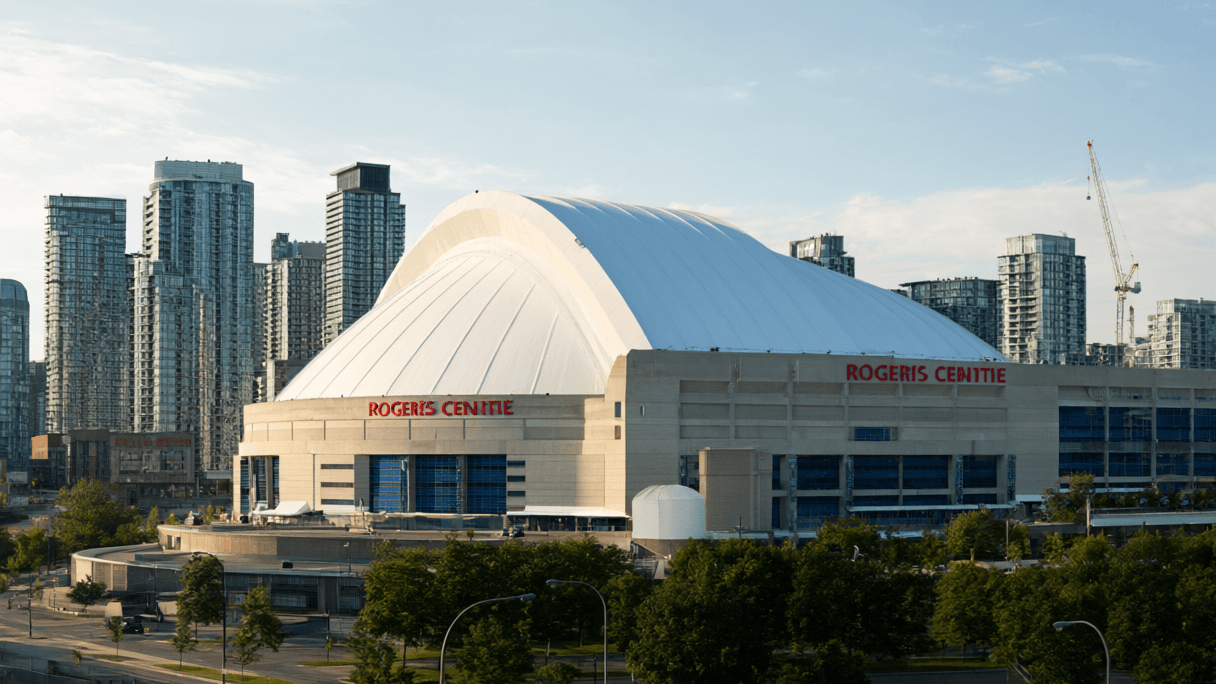
AI-generated image · Bay Street Wire
Toronto is drawing crowds despite a last-place finish, but the lack of a sustainable farm system is turning the Rogers Centre into a theater for a closing window.
OPINION: The Toronto Blue Jays are currently playing a dangerous game of chicken with their future, and the evidence is hiding in plain sight. While the front office might point to the turnstiles as a sign of organizational health, the reality is that the team is coasting on the fumes of past success while the pipeline runs dry.
As BlogTO first reported, the Blue Jays saw a massive surge in attendance during the 2026 season, welcoming 3.33 million fans to the Rogers Centre. That figure, which averaged 41,220 fans per game, represents an increase of half a million fans over the previous season. As BlogTO notes, this was the fourth-highest attendance mark in all of Major League Baseball, trailing only the New York Yankees, San Diego Padres, and Los Angeles Dodgers.
On the surface, these numbers look like a triumph. However, the context provided by BlogTO reveals a team in freefall. The Blue Jays finished the 2026 campaign with a disappointing 79-83 record, landing them in last place in the American League East. The crowd surge wasn't a reflection of current dominance, but rather a lingering afterglow from the 2025 season, when Toronto won the AL East and reached the World Series.
This is the trap. The Blue Jays are operating in a bubble where fan loyalty—fueled by the memory of a World Series berth—is masking a systemic failure to replenish the roster. When a team finishes last in its division but still draws more fans in the first half of the season than the division champion Tampa Bay Rays do in an entire year, it creates a false sense of security. It suggests that the brand is healthy even when the product on the field is decaying.
We saw this pattern before. BlogTO points out that Toronto's highest-ever single-season attendance occurred in 1993, immediately following the franchise's first World Series title. The current trend is a mirror image: the fans are showing up for the ghost of 2025, not the reality of 2026.
As the team looks toward the 2027 lottery odds, the danger becomes acute. You cannot sustain a winning window by relying on the residual excitement of a previous run. If the Blue Jays continue to prioritize the present at the expense of the farm system, they aren't just risking a few losing seasons—they are risking a total collapse. The 2026 season proved that the fans will come, even to watch a 10-1 blowout by the Detroit Tigers on a Loonie Dog Tuesday, but they won't stay forever once the window slams shut completely.