
The AI Power Proxy: Decoupling Energy Valuations from Generation

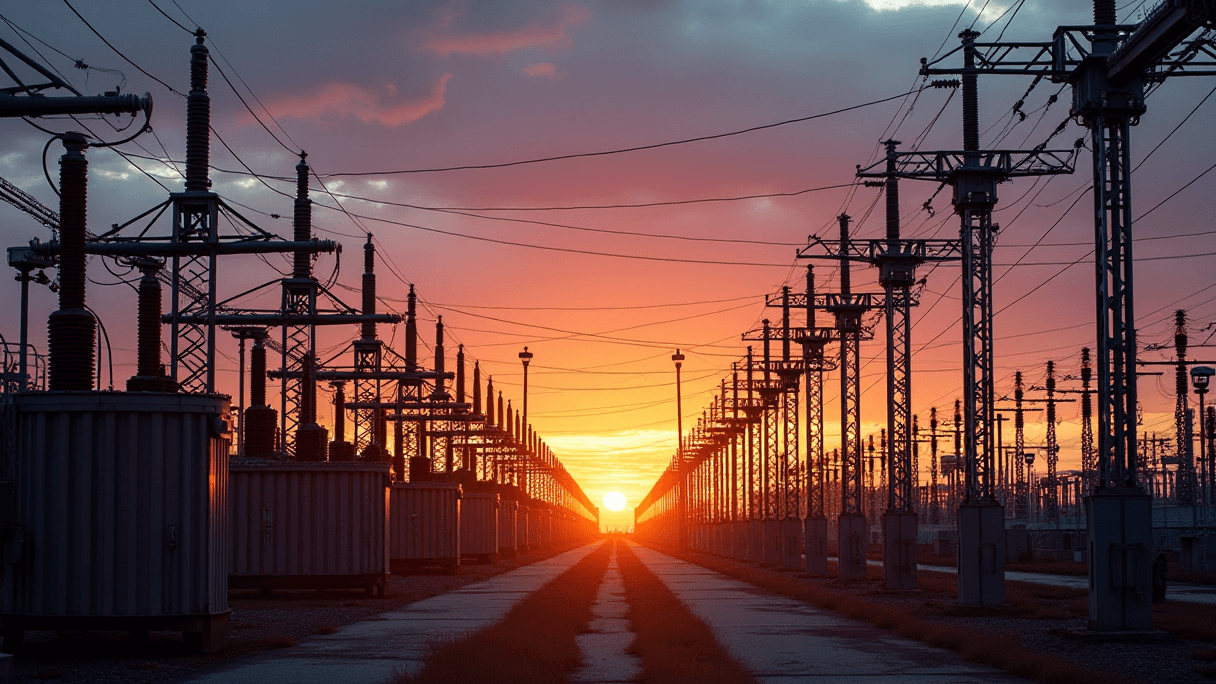
AI-generated image · Bay Street Wire
A surge in energy IPOs suggests investors are no longer betting on utilities, but are instead using power infrastructure as a high-leverage proxy for the AI boom.
Q: How significant is the current surge in energy sector IPOs?
A: As Ars Technica first reported, the scale is historic. According to data from Dealogic, energy firms raised $12.6 billion through initial public offerings in the first half of 2026. This represents the highest first-half figure ever recorded and the highest half-year level since the dotcom bubble peaked in late 1999. To put the acceleration in perspective, the total amount raised in the first six months of 2026 already far exceeds the $4.3 billion raised during the entirety of 2025.
Q: What is driving this sudden influx of capital into the energy markets?
A: Investors are treating energy as a critical bottleneck for the multi-trillion-dollar AI investment boom. As reported by Ars Technica, the shift is sequential: investors first targeted AI-linked chip makers like Nvidia, but subsequently realized that these chips require massive amounts of power to operate. Chris Dendrinos, a clean energy analyst at RBC, notes that this realization has created a "huge tailwind" for energy companies.
Q: To what extent is AI actually straining the power grid?
A: The demand is substantial. Ars Technica reports that a single AI-focused data center typically requires approximately 876,000 megawatt hours annually—a figure comparable to the total household electricity consumption of Salt Lake City or Glasgow. Consequently, the consultancy ICF projects that U.S. electricity demand will rise by 39 percent between 2026 and 2035, driven largely by the expansion of data centers.
Q: Is this investment focused on traditional utilities, or is it targeting specific infrastructure?
A: The focus has shifted toward "picks and shovels" infrastructure. Manish Kabra, head of US equity strategy at Société Générale, states that strategic allocations are currently centered on AI-related infrastructure investment, U.S. reshoring, and power-capacity expansion. This trend is further evidenced by the launch of a "power infrastructure ETF" by GMO, which targets electrification infrastructure, the grid, and power generation.
Q: Which specific companies are capitalizing on this trend through public offerings?
A: Several firms with diverse energy and hardware plays have entered the market, as detailed by Ars Technica:
* **Forgent Power Solutions**: A manufacturer of electrical distribution equipment (such as switchgears and transformers) for data centers, which raised $1.7 billion in February. * **Innio**: A German manufacturer of gas engines that completed a nearly $2.8 billion flotation in June, appealing to data centers looking to bypass the strained public grid via on-site power. * **Fervo**: A developer of "next-generation" geothermal power using oil and gas drilling techniques. The company raised nearly $2.2 billion in May. * **Standard Nuclear**: An energy group expected to go public in the U.S. in late July 2026.
Q: Is there a risk that these valuations are becoming speculative?
A: Yes. Julien Dumoulin-Smith, a Jefferies research analyst, observes that the current market is funding and underwriting "speculative projects" that are no longer confined to private equity or venture capital. A primary example is Fervo; while conventional geothermal is established, Fervo's next-generation approach is currently limited to pilot-stage projects in the U.S. Despite this, CEO Tim Latimer told the FT that public markets allow the company to accelerate growth, with plans to spend $1.2 billion over the coming year on a power station in Utah.
Q: Why are investors choosing energy stocks over the tech giants (hyperscalers) driving the AI boom?
A: There are two primary drivers: valuation and risk. According to Bloomberg data cited by Ars Technica, the energy sector trades at a price-to-earnings ratio of 18 times, which is significantly lower than the information technology sector's 40 times. Additionally, there is growing skepticism regarding whether the hyperscalers can translate their massive capital expenditures into actual profits, leading traders to seek smaller companies or alternative sectors that will benefit from the investment wave regardless of the hyperscalers' margins.
Q: How will the 2026 IPO vintage be viewed in hindsight?
A: Bill Smith, head of the IPO data provider Renaissance Capital, suggests that 2026 will be remembered not only for the SpaceX IPO but as "the year that financed the AI revolution's infrastructure."