
The $300 Million Leak: Why Gray Markets Are Outpacing US Export Controls

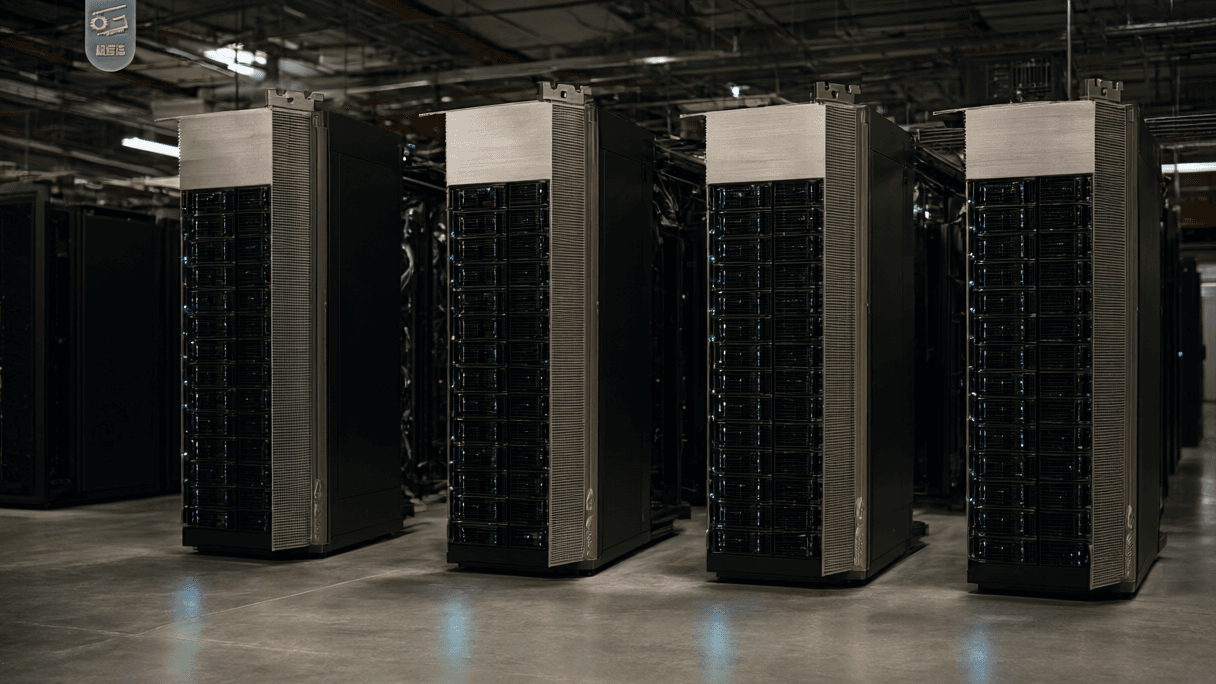
AI-generated image · Bay Street Wire
The arrest of Earthmade Computer CEO Greg Lui exposes a systemic failure in the hardware supply chain, proving that fraudulent paperwork can easily bypass federal restrictions.
The recent arrest of Greg Lui, CEO of Earthmade Computer, serves as a stark reminder that the U.S. government's attempt to wall off high-end compute from China is struggling against the agility of the gray market. As first reported by Ars Technica, the Department of Justice (DOJ) has accused the 38-year-old Lui of orchestrating a smuggling operation that diverted more than $300 million in export-controlled Nvidia servers into China.
**Opinion:** From a hardware perspective, this isn't just a case of one bad actor; it is a demonstration that export controls are a paper tiger. As long as the bureaucracy of the supply chain relies on easily forged documentation, the gray market will continue to outpace federal enforcement.
As detailed by Ars Technica, the FBI's indictment alleges that Lui utilized a sophisticated network of freight-forwarding firms in Singapore and Malaysia to mask the final destination of the hardware. The scheme, which allegedly ran from October 2023 to August 2026, involved Nvidia A100 and H100 GPUs—chips capable of training large language models that the U.S. fears could bolster Chinese military or AI capabilities.
The mechanisms of the fraud were brazen. Ars Technica reports that in one 2024 instance, Lui allegedly submitted a purchase order to a U.S. manufacturer for 27 servers worth approximately $7,614,000, claiming they were destined for Malaysia; however, a co-conspirator later informed a Malaysian government official that the entire shipment went to China. In another case, 92 servers were allegedly routed through Singapore and Malaysia before landing in Hong Kong and eventually reaching a firm in Hangzhou, which The Wall Street Journal previously identified as China's AI hub.
Perhaps most damning is the level of identity theft involved. The FBI alleges that Lui purchased the identifying documents of an individual three years prior to conduct business transactions and created a fake buyer with a CEO named "Jackie Lui" to move 100 servers worth over $22 million. The DOJ alleges that bank records from JP Morgan and Bank of America, along with emails, exposed the operation, which reportedly brought more than $176 million into Lui's firm in 2024 alone.
While Nvidia has attempted to minimize the impact, the company is facing increasing scrutiny. A spokesperson told Bloomberg that diverted products represent "less than one half of one percent" of Nvidia products, describing the diversion as a "drop in the bucket" compared to China's domestic compute. However, a Bloomberg investigation involving sources across five countries suggests Nvidia has significant "blind spots" in its compliance. While Nvidia screens buyers, U.S. officials believe the company is failing to catch obvious red flags, particularly regarding shipments to Thailand, Malaysia, and Singapore.
Because the DOJ is moving to seize all assets acquired through the fraud, Lui faces a potential sentence of up to 20 years in prison. He is accused of money laundering, smuggling, and conspiring to violate the Export Administration Regulations and the Export Control Reform Act. But for the deep tech industry, the larger question remains: how many hundreds of thousands of chips are already moving through this shadow trade to fill China's hardware gap?