
The $300 Million Gamble: Analyzing the Fiscal Fallout of Bradford’s Tax Proposal

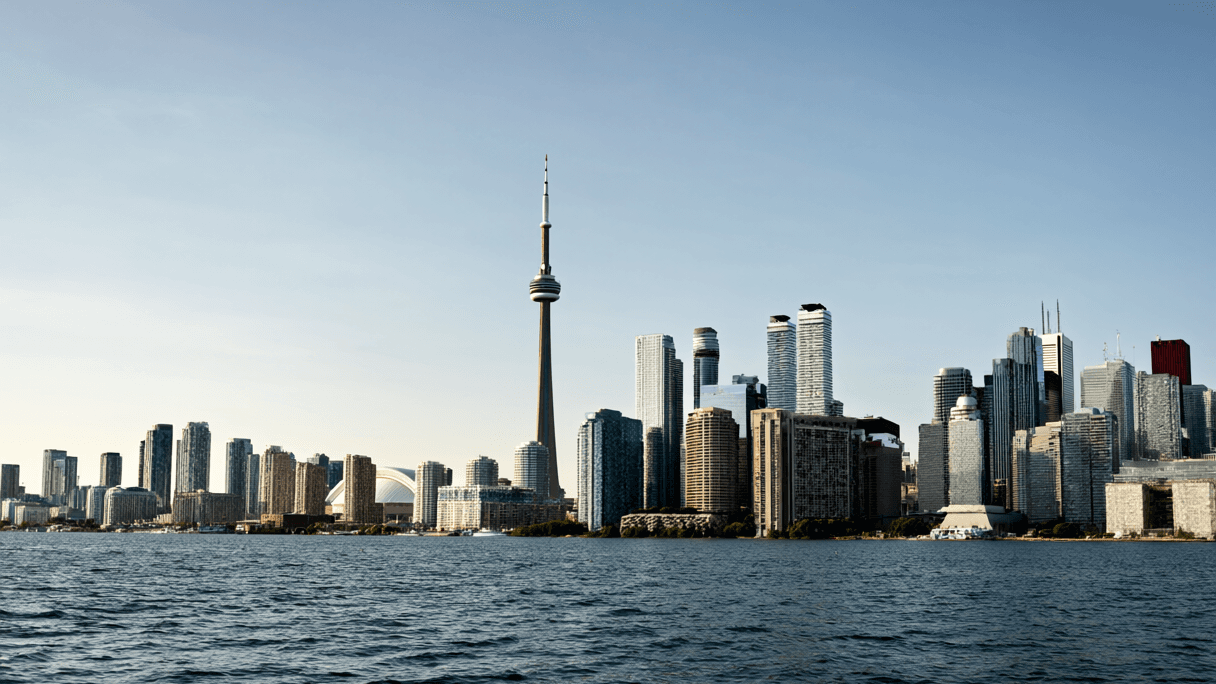
AI-generated image · Bay Street Wire
By targeting homes under $1.1 million, mayoral candidate Brad Bradford promises affordability, but critics warn the plan risks city services and increases municipal debt.
Opinion: Toronto mayoral candidate Brad Bradford is framing his latest campaign pledge as a lifeline for a generation priced out of the city. As CBC Toronto first reported, Bradford is pledging to scrap the land transfer tax on principal residences valued under $1.1 million, claiming he can save homebuyers up to $18,000 and remove a significant financial barrier for young workers and families. However, a closer look at the mechanics of the proposal suggests a precarious trade-off between immediate homeowner relief and long-term fiscal stability.
According to reporting from CBC Toronto, the land transfer tax is a vital revenue stream, contributing roughly $850 million to the City of Toronto’s coffers based on the 2026 budget. Bradford’s proposed exemption would cost the city approximately $300 million annually, representing roughly 35 percent of the total land transfer tax revenue collected last year. While the campaign asserts the plan is "targeted"—explicitly excluding landlords and investment properties, who CBC Toronto reports account for 29 percent of city purchases—the sheer scale of the revenue loss raises urgent questions about sustainability.
The central tension lies in how this $300 million hole will be filled. To cover the cost, the Bradford campaign proposes establishing a public water company to generate dividends and pushing back the deadlines for paying off infrastructure projects. These methods, however, are the primary points of contention for his opponents.
Incumbent Olivia Chow has characterized the proposal as "irresponsible and unfunded," arguing that Bradford has "no way" to pay for the cuts. In a statement cited by CBC Toronto, Chow’s campaign claims the plan relies on an "imaginary dividend" from a provincially-controlled water corporation, which she argues would result in billions being gutted from the city's capital budget and an increase in municipal debt.
Beyond the land transfer tax, Bradford is layering further fiscal pressures onto the city's balance sheet. CBC Toronto reports he has pledged to freeze property taxes for one year and cut water bills by 25 percent. While Bradford argues that his opponents offer "feel-good discounts" without solutions, the cumulative effect of these cuts suggests a strategy that prioritizes middle-class homeowners over the preservation of essential city services.
While candidate Chris Alexander has acknowledged that the land transfer tax is too high, he has stopped short of endorsing Bradford's specific approach, stating a preference for broader reforms at city hall before addressing the tax. As the election approaches, the debate remains centered on whether Bradford's plan is a genuine affordability play or a calculated risk that trades the city's long-term infrastructure health for short-term electoral appeal.