
Pipeline Fast-Track Heightens Pressure Over Oilsands Wastewater

AI-generated image · Bay Street Wire
Prime Minister Mark Carney's push for a new export pipeline clashes with a growing crisis of toxic tailings ponds in Northern Alberta.
Prime Minister Mark Carney's recent decision to fast-track the proposed Pacific Link oil export pipeline to the West Coast has intensified the need for federal action regarding toxic wastewater in Northern Alberta, according to CBC News.
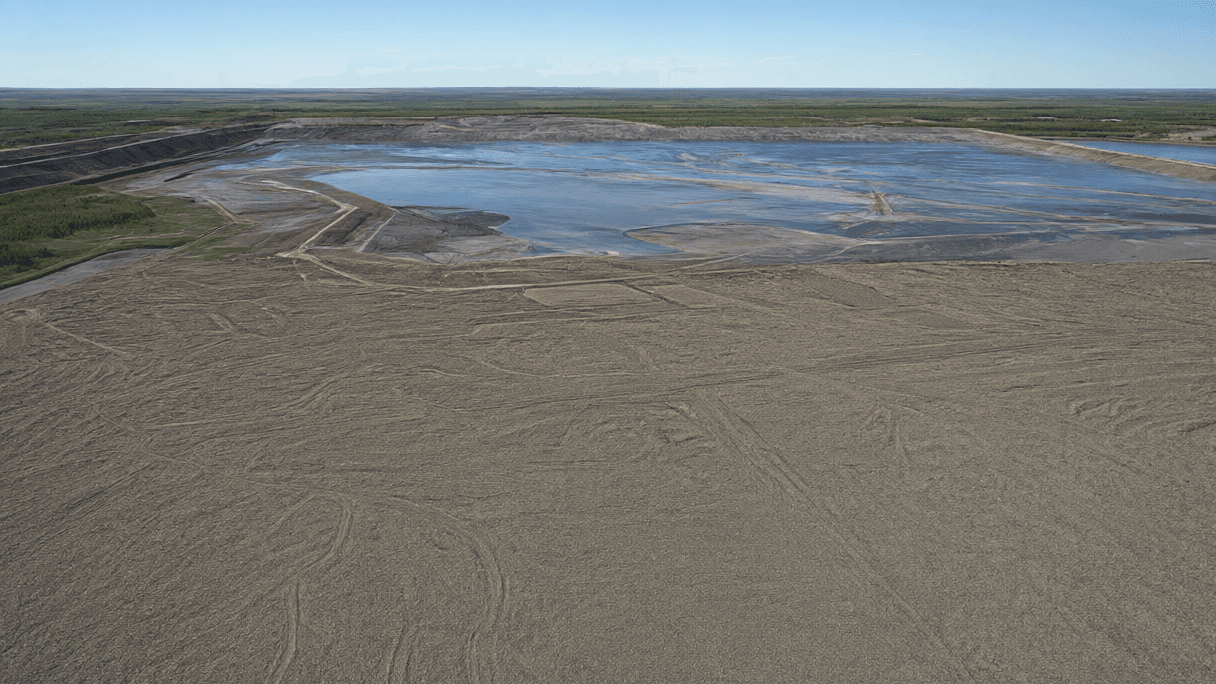
While the Alberta government aims to double crude production, the industry has operated under a 60-year ban on releasing mining wastewater. This has resulted in the creation of massive tailings ponds containing toxic fluid that threatens wildlife and raises health concerns for local residents. CBC News reports that the Alberta Energy Regulator found tailings fluid increased by 50 per cent between 2014 and 2024, with the total volume now comparable to the area of the Island of Montreal under three metres of water.
Alberta Environment Minister Grant Hunter told CBC News that the province cannot expect industry to double production without providing the tools for "proper treat-and-release." The Alberta government intends to establish water quality standards by the end of the year; however, because waterways fall under federal jurisdiction, Ottawa must decide whether to adopt these regulations or maintain the current ban.
Industry representatives, including Suncor Energy Vice-President Claire Greenwood, argue that treating and releasing water into the Athabasca River is essential for the large-scale reclamation of mining facilities. Conversely, some Indigenous leaders are calling for a slowdown in production until the wastewater issue is resolved. While some local residents, such as Fort McMurray Métis District 17 member Lenny Hansen, support the process, the decision remains with the federal government.