
Pigeons and Pixels: The Hyper-Local Heart of Toronto's GTA Tribute

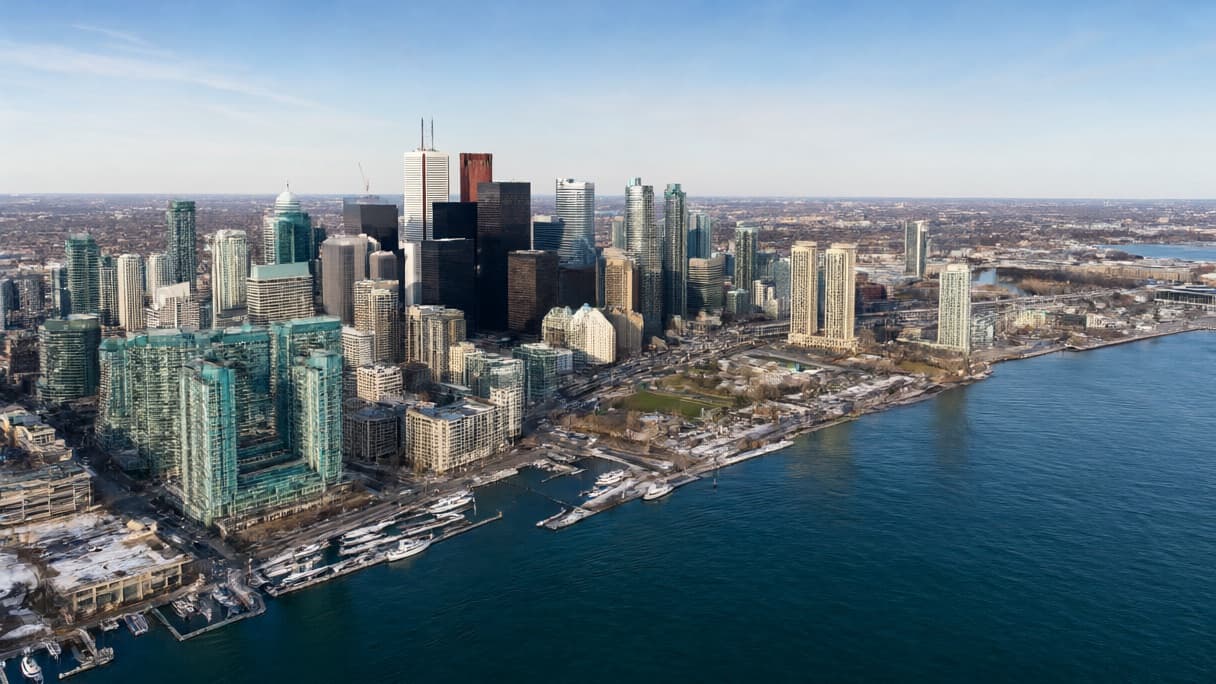
AI-generated image · Bay Street Wire
While Rockstar Games prepares a billion-dollar simulation of Vice City, a local designer is using robotic pigeons to map the grit and geography of the Greater Toronto Area.
As the gaming world braces for the release of *Grand Theft Auto VI* from Rockstar Games—a project Ars Technica reports involved thousands of staffers and a billion-dollar budget—a different kind of urban simulation is taking flight in Canada.
While Rockstar's latest installment focuses on the crime-heavy relationship of protagonists Jason and Lucia in a reimagined Vice City, designer Yegor Sak has created a hyper-local tribute to his own backyard. His game, *Covert Ornithological Operations* (COO), swaps the high-stakes criminal underworld for the perspective of robotic pigeons wreaking havoc across the Greater Toronto Area.
On the surface, COO is a satirical nod to the *Grand Theft Auto* formula. According to Chris Young, a curator of video game collections at the University of Toronto, the game mirrors the franchise's open-world model and its penchant for chaos. In COO, players are tasked with harassing coffee shop patrons and pooping on pedestrians—actions Young notes are satirically reminiscent of the violence found in the Rockstar series.
However, beneath the parody lies a profound commitment to the geography of Toronto. Sak, who moonlights as a pilot, originally developed the browser-based game as a flight simulator for a plane he flies, specifically programming the Toronto skyline to allow for realistic landings at Billy Bishop Airport. This technical foundation evolved into a massive digital map featuring over 400,000 city landmarks. Sak claims the scope of COO's map is more than seven times the size of *Grand Theft Auto V*.
What elevates the project from a simple parody to a love letter to the city is its integration of real-world data. COO utilizes real-time weather, flight, and traffic data to simulate current city conditions. As Sak told CBC’s *Metro Morning*, the simulation is so accurate that players can technically receive actual traffic updates by playing the game.
Beyond the mechanics of flight and chaos, the game serves as an educational tour of the city. Sak explained that as players navigate the urban sprawl, they receive facts about subway stations—including their opening dates and the origins of their names—and details about various neighborhoods. It is a granular level of detail that turns a game about robotic birds into a study of urban identity.
The production of the game also highlights a modern tension in the industry. Sak reported that he built the game in just seven days using 10 concurrent artificial intelligence workstreams. While Young notes that AI development remains controversial among gamers, he suggests that if players enjoy the experience, the method of production may ultimately be secondary to the quality of the engagement.
As millions of players prepare for the cinematic, high-budget spectacle of *Grand Theft Auto VI* on Nov. 19, Sak's project offers a different kind of immersion: one that celebrates the specific, unseen details of a city through the eyes of its most ubiquitous birds.