
Ottawa Outsourcing Oversight: Private Sector Infiltrates Major Projects Office

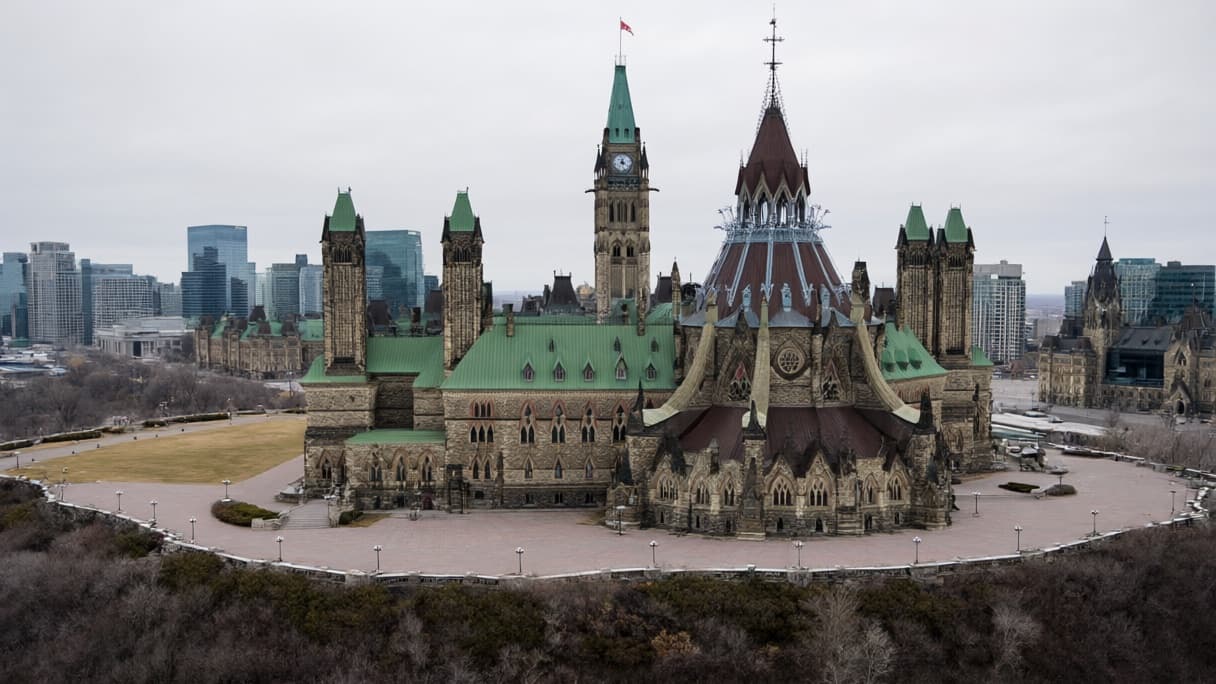
AI-generated image · Bay Street Wire
The federal government is embedding employees from the very banks, energy firms, and railways it regulates into a high-stakes office designed to accelerate national project approvals.
The federal government's push for "efficiency" in infrastructure has evolved into a systemic conflict of interest. In a move that effectively outsources government oversight, the Major Projects Office (MPO)—a cornerstone policy of Prime Minister Mark Carney—has populated its ranks with employees seconded directly from the private industries it is tasked with regulating.
**The Players in the Room** According to documents released by the federal government and reported by CityNews Toronto and CBC News, 17 private sector employees have been loaned to the MPO. The list, which Ottawa initially resisted releasing, reveals a deep integration of Bay Street and industrial interests.
Reporting from CityNews Toronto and CBC News identifies the following corporate contributors: * **Banking:** Royal Bank of Canada (two employees), Bank of Montreal (one), and Scotiabank (one). * **Railways:** CN and CPKC (one employee each). * **Energy and Infrastructure:** ATCO EnPower, TC Energy, TransAlta Corporation, the Pembina Pipeline Corporation, Ledcor, and BHP Canada. * **Professional Services:** PricewaterhouseCoopers, QSI Finance Canada, and the law firm Torys.
**The Conflict of Interest** The optics are particularly fraught given the MPO's mandate to speed up permitting for projects deemed in the national interest. CBC News reports that the MPO is already handling high-stakes files, including a new oil pipeline from Alberta to the West Coast. Notably, CBC News points out that the Pembina Pipeline Corporation, which holds a 10 percent stake in that specific West Coast pipeline project, has loaned a worker to the MPO.
Conservative and Bloc Québécois MPs have spent months pressing for this disclosure, citing grave concerns over potential conflicts of interest. The tension reached a boiling point last week when Internal Trade Minister Dominic LeBlanc, questioned by a parliamentary committee, expressed hesitation about releasing the company names, suggesting such disclosures could lead to "artificial, fabricated gotcha moment[s]." Similarly, Energy Minister Tim Hodgson previously dismissed the concerns of opposition MPs as "conspiracy theories."
**The Government's Defense** Ottawa maintains that this is a standard operational procedure. MPO CEO Dawn Farrell told a House of Commons environment committee that the government has utilized an interchange program for private-sector expertise since the 1970s. Farrell insisted that all employees are cleared through human resources in the Privy Council Office and must sign disclosures to ensure they do not work on projects where their parent company has an interest.
**The Bottom Line** While the government frames this as a talent acquisition strategy, the financial arrangement adds another layer of complexity. According to a CBC News briefing note, the companies taking part in the program cover all salary and benefit costs for their employees while they are stationed at the MPO.
In total, the office is staffed by 41 seconded employees, including those from the Government of Yukon, the governments of British Columbia and the Northwest Territories, and federal bodies such as the Canada Energy Regulator (nine staff), the Trans Mountain Corporation (two), the RCMP, the Canada Revenue Agency, and the Canada Development Investment Corporation.