
Oracle's $20 Billion Gamble: Infrastructure Now, Profits Later

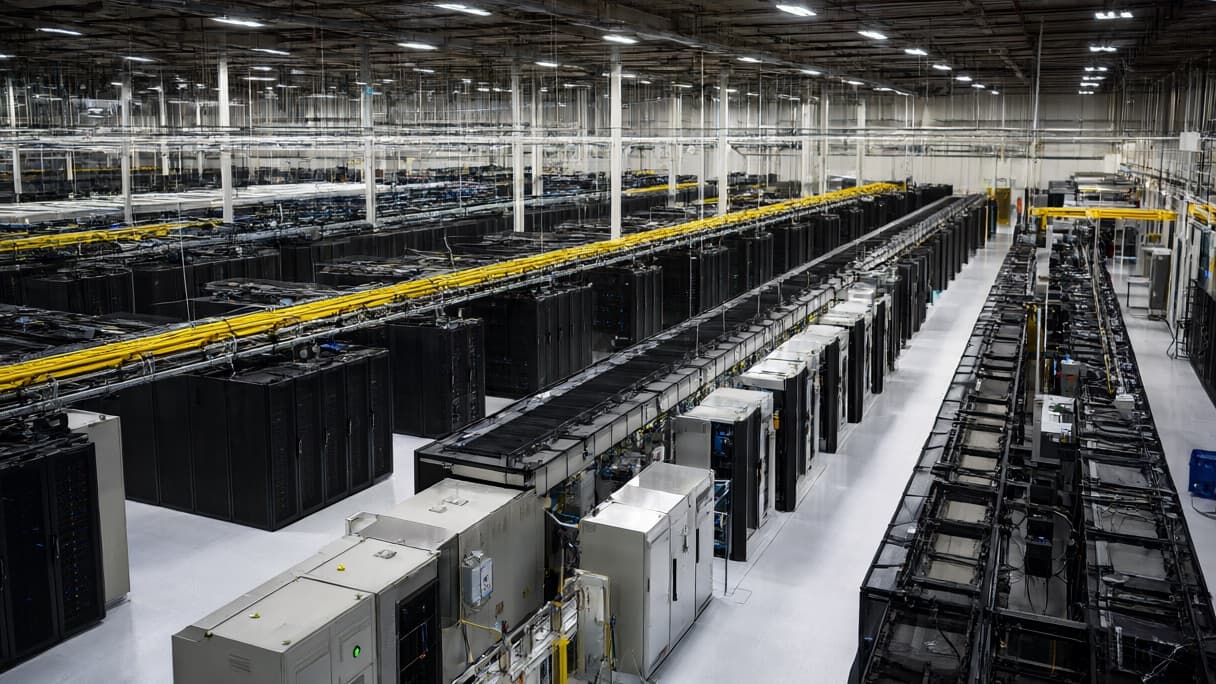
AI-generated image · Bay Street Wire
The hyperscaler is doubling down on AI with a massive capital raise, but plummeting stock prices and spiking credit swaps suggest investors are losing patience with the build-out.
OPINION: Oracle is currently operating on a prayer that the AI revolution delivers tangible returns before its balance sheet buckles under the weight of its own ambitions.
As CNBC first reported, Oracle has filed plans with the Securities and Exchange Commission to raise $20 billion to finance its artificial intelligence infrastructure. The company intends to split this fundraising between $10 billion in senior notes and $10 billion in common stock. While Oracle claims this is the limit of its additional capital market funding for the investment cycle spanning fiscal 2027 to 2030, the market's reaction suggests deep skepticism.
On Monday, November 2, 2026, Oracle shares tumbled 8.8%. This follows a brutal year; CNBC reports that Oracle's stock has plummeted 33% in 2026 and has lost 50% of its value over the last 12 months. When a company's valuation craters while it simultaneously asks for billions more in capital, the narrative shifts from growth to survival.
Oracle is projecting a revenue forecast of at least $225 billion for fiscal 2030, but it does not expect to reach positive free cash flow until the second half of 2028. To bridge this gap, Oracle plans to rely on a mix of customer prepayments, customer-provided hardware, and vendor financing.
The danger is evident in the credit markets. As of August 31, Oracle carried $125.34 billion in debt. S&P Global Market Intelligence's Gavan Nolan notes that Oracle's five-year credit default swaps have surged 265% in one year to a spread of 292—a level Nolan says is more aligned with high-end junk bond ratings. S&P already downgraded Oracle to a BBB- in July, leaving it just one notch above high-yield status.
As Pat Nerney, head of investment solutions at Dynasty Financial Partners, told CNBC, the entire AI sector is now facing a reckoning of execution. Oracle is betting $20 billion that it can execute its plan without returning to the capital markets in late 2027. If they miss their mark, they'll be fighting a debt load that the market is already pricing as high-risk.