
Optics Over Operations: The Cadet Crisis

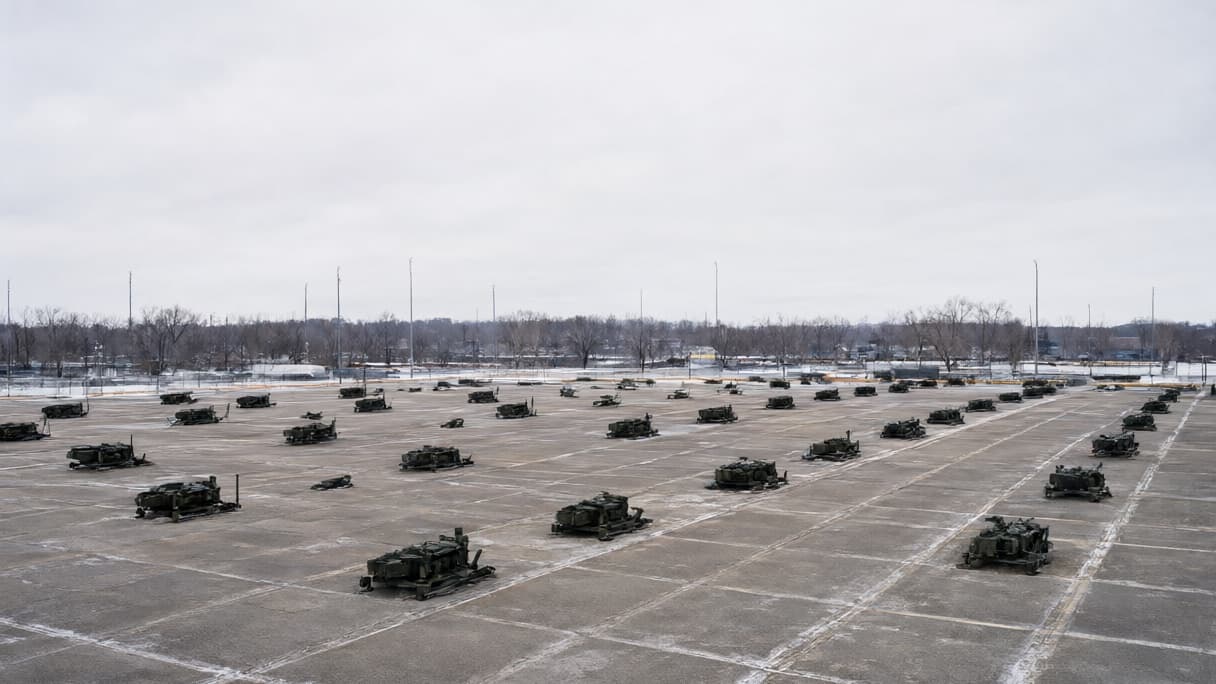
AI-generated image · Bay Street Wire
The military's decision to prioritize summer recruitment surges while slashing year-end training reveals a systemic failure in capacity management.
The Canadian military is currently prioritizing the optics of growth over the operational reality of training, as first reported by CBC News. According to CBC's reporting, the Department of National Defence (DND) has suspended most cadet training across the country, including competitions and weekend activities, until the end of the fiscal year in March.
While Vice-Admiral Angus Topshee, the vice chief of the defence staff, testified before the House of Commons public accounts committee that membership has increased by approximately 20,000 participants, this growth has not been matched by sustainable planning. Despite an annual budget of $265 million and a $27-million boost in the spring of 2026, the military is now facing a "hard cap" on spending.
***Opinion:*** *The military's failure here is one of capacity management. By "front loading" the expanded budget into summer training to accommodate a surge in participation, leadership effectively sacrificed the quality and continuity of the program for the remainder of the year. This suggests a preference for the appearance of a thriving recruitment pipeline over the actual delivery of the leadership and skill sets that Deputy Minister of Defence Christiane Fox admitted are essential for young Canadians.*
This internal belt-tightening occurs even as Prime Minister Mark Carney's government ramps up defence spending. However, CBC News reports that DND is still grappling with reductions from a previous Trudeau government budget, requiring the department to find $459 million in savings this year. By failing to factor in the cost of increased participation, the military has left the cadet program—and the youth it serves—to pay the price for administrative miscalculations.