
Opinion: Musk's Mobile Ambitions: Could a Boost Mobile Buyout Shake Up the Big Three?

AI-generated image · Bay Street Wire
SpaceX is reportedly eyeing a deal for Boost Mobile to bridge the gap between satellite connectivity and terrestrial cellular networks.
Q: What is the latest report regarding SpaceX and Boost Mobile?
A: According to reporting from The Washington Post, SpaceX is looking to acquire Boost Mobile from its parent company, EchoStar. TechCrunch reports that this move is intended to help Elon Musk's company establish a hybrid cellular-satellite network, potentially positioning SpaceX as the fourth-largest wireless provider in the U.S.
Q: Why is SpaceX interested in Boost Mobile specifically?
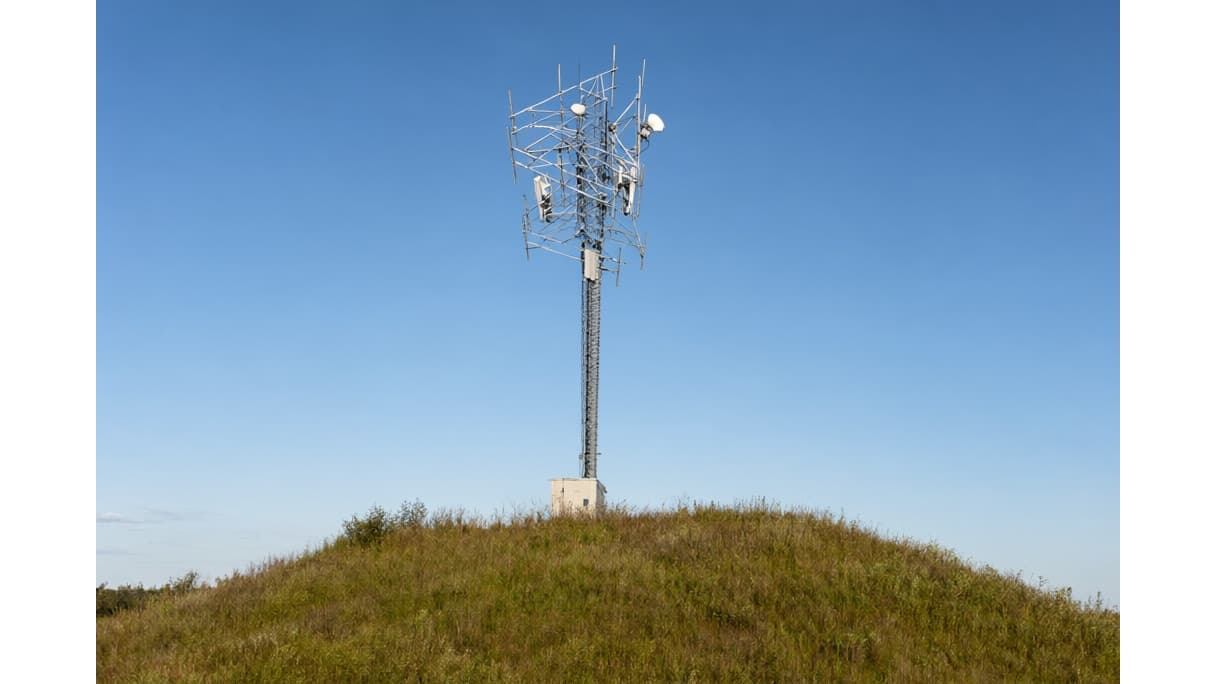
A: While Starlink provides satellite connectivity, it currently struggles to reach inside buildings. TechCrunch notes that acquiring Boost Mobile would give SpaceX immediate access to terrestrial cellular networks, expanding its coverage across most of the 48 contiguous states. This would allow Starlink to handle outdoor connectivity via satellite while relying on cell towers for indoor and obstructed areas. Additionally, the deal would provide an immediate boost in subscribers; EchoStar currently has approximately 7.5 million customers across GenMobile and Boost Mobile.
Q: Has Elon Musk attempted to secure network access through other means?
A: Yes. TechCrunch reports that Musk approached Verizon, T-Mobile, and AT&T to purchase capacity on their networks, but all three providers rejected him. Furthermore, SpaceX has already invested in the infrastructure; last year, the company spent $17 billion to buy wireless spectrum from EchoStar. At the time of that purchase, Musk stated on X that it was the "last critical piece of the spectrum puzzle" for providing full U.S. phone coverage, though the current pursuit of Boost Mobile suggests otherwise.
Q: What are the primary obstacles to this acquisition?
A: The biggest hurdle is that Boost Mobile does not own its own towers. As reported by The Verge and TechCrunch, Boost leases its network capacity from AT&T and T-Mobile. Sources told The Washington Post that these network leases are typically nontransferable, meaning AT&T and T-Mobile may need to approve the deal for it to proceed.
Q: How does this fit into SpaceX's broader strategy?
A: SpaceX is aiming to turn Starlink into a "major" mobile carrier, as reported by The Verge. The strategy involves combining a satellite-to-mobile constellation with terrestrial infrastructure. In addition to the spectrum bought from EchoStar, Bloomberg reported last month that SpaceX is in discussions to gain access to at least 80,000 cell sites within the U.S.
Q: In my opinion, is this a genuine threat to the major carriers?
A: From a hardware and connectivity perspective, yes. While the "Big Three"—Verizon, AT&T, and T-Mobile—each have over 100 million subscribers, Musk's play isn't just about the current user base. By blending satellite reach with terrestrial towers, he is attempting to eliminate the dead zones that plague traditional carriers. If he can successfully navigate the lease approvals from the very competitors he is challenging, he transforms Starlink from a niche tool for rural areas into a comprehensive alternative to the monthly cellular bills we all pay.