
Opinion: More Than a Photo Op: The Vitality of the Rural-Urban Connection

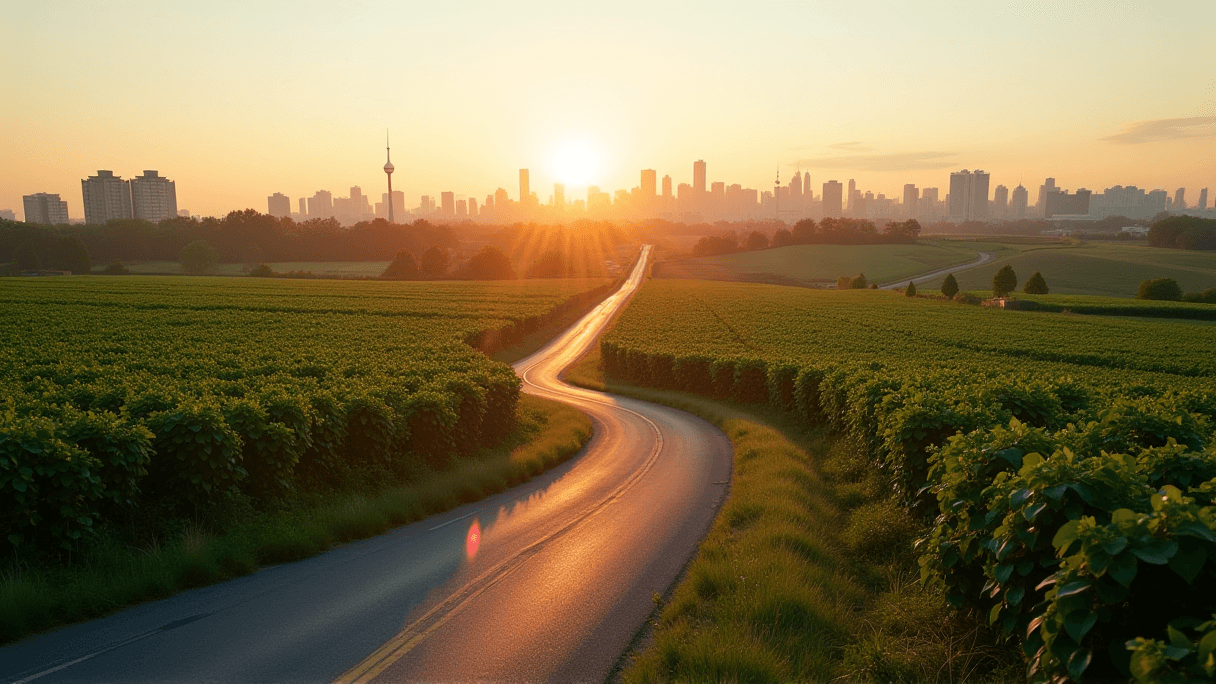
AI-generated image · Bay Street Wire
As blueberry season peaks, the trek from Toronto's skyline to the countryside offers a necessary reprieve through slow-living and agricultural heritage.
In a city defined by its relentless pace and towering skyline, the annual migration to Ontario's berry patches is often framed as a quest for the perfect summer aesthetic. However, these excursions represent something deeper than a curated social media feed; they are the last bastions of slow-living accessible to Torontonians, maintaining a critical link between our urban center and the rural land that sustains it.
According to reporting from BlogTO, blueberry season typically spans from mid-July through August, though the exact window is dictated by weather and ripening speeds. For a few short weeks, the opportunity to step away from the concrete and into the fields of lowbush and highbush blueberries provides a sensory reset that cannot be replicated within city limits.
This connection is preserved through diverse farming models. Some, like Marcy's Berries in Valens, maintain a structured, family-owned environment where visitors pay by volume—ranging from $6 per pint to $30 for a three-litre basket. Others, such as Blackstock Berries, located roughly 90 minutes east of Toronto, offer a more open experience with six blueberry varieties and no fee for the picking process itself, charging only for the fruit harvested.
Beyond the harvest, these sites offer a glimpse into generational stewardship and holistic rural life. BlogTO notes that Wilmot Orchards in Newcastle has been growing fruit for many generations, providing guests access to 11 varieties of highbush berries across three patches. Similarly, Andrews Scenic Acres in Milton transforms a simple harvest into a full-day retreat, integrating walking trails and farm animals into the experience for a general admission fee of $17.49 plus tax.
When we view these farms merely as weekend destinations, we risk overlooking the fragile nature of this rural-urban bond. Whether it is the 1.5-hour picking window at Wilmot Orchards or the day-long escapades at Andrews Scenic Acres, these interactions remind us that our food does not originate in a grocery aisle, but in the soil and sun of the Ontario countryside.
Protecting these spaces is not just about preserving a summer tradition; it is about safeguarding our access to a slower, more intentional way of existing. As the season winds down, the value of these farms lies not in the baskets of berries we bring home, but in the reminder that the countryside is an essential extension of our city identity.