
OpenAI's Biotech Bet: Operational Efficiency or Scientific Breakthrough?

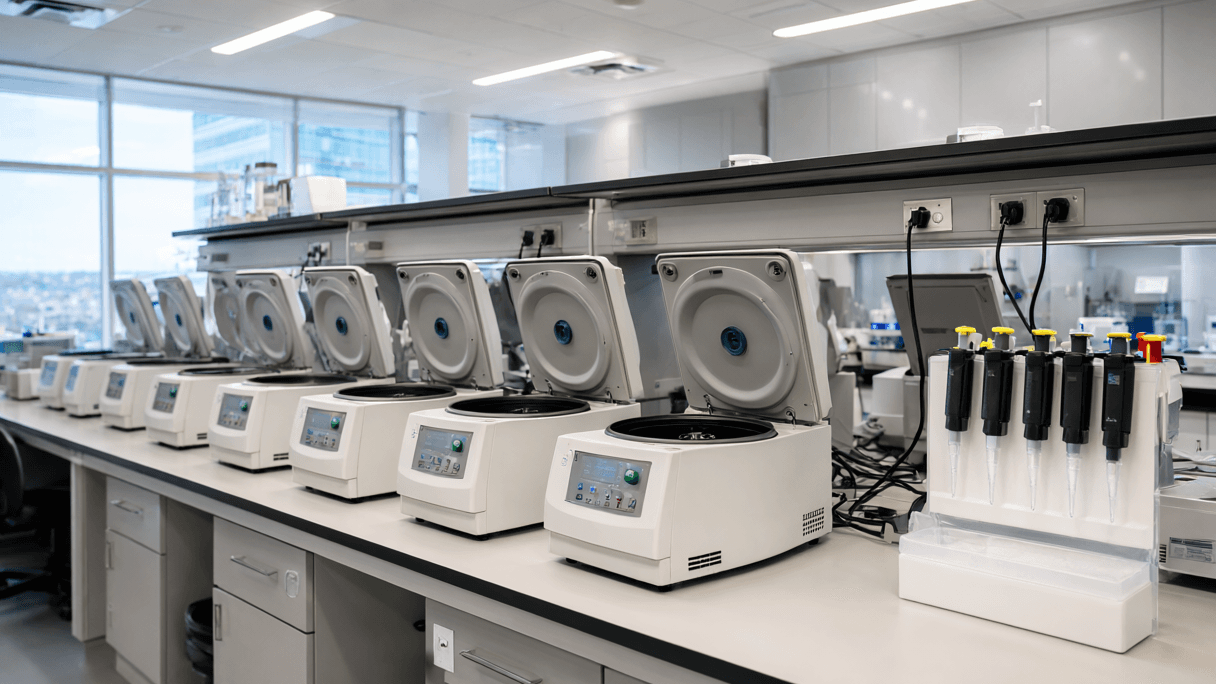
AI-generated image · Bay Street Wire
The acquisition of Orchestra Bio signals a push to integrate AI agents into the drug-discovery pipeline, but the real test remains the efficacy of the Rosalind model.
OpenAI is doubling down on the life sciences, but the nature of its latest move suggests a focus on the plumbing of drug discovery rather than just the chemistry. As TechCrunch first reported, OpenAI has acquired Orchestra Bio, a four-year-old software startup. While the acquisition terms were not disclosed, TechCrunch reports that Orchestra Bio had raised approximately $20 million as of 2025 from investors including 8VC, Atria, and Andreessen Horowitz.
Orchestra Bio specializes in AI agents designed to handle the operational friction of biotech, such as managing finances and resolving clinical trial scheduling conflicts. OpenAI intends to integrate this technology and team into Rosalind, its AI model for life sciences, and the Rosalind Workbench, a tool used by researchers for experimental planning and data analysis.
In my view, this is where the tension lies: is OpenAI building a tool that actually accelerates the discovery of new medicines, or is it simply automating the administrative overhead of the pharma industry? While OpenAI claims it has already secured major customers like Novo Nordisk and Moderna, the acquisition of a company focused on "minutiae" suggests a pivot toward operational software.
As TechCrunch notes, this move reflects a broader trend of major AI labs like OpenAI and Anthropic expanding into massive industries. For the startup ecosystem, this represents a precarious moment where specialized firms are either absorbed or displaced by the platform giants. Whether Rosalind can move the needle on actual drug development remains to be seen, but for now, OpenAI is betting that controlling the workflow is the fastest path to industry dominance.