
MLB Tests Outfield Positioning Rules in Arizona Fall League

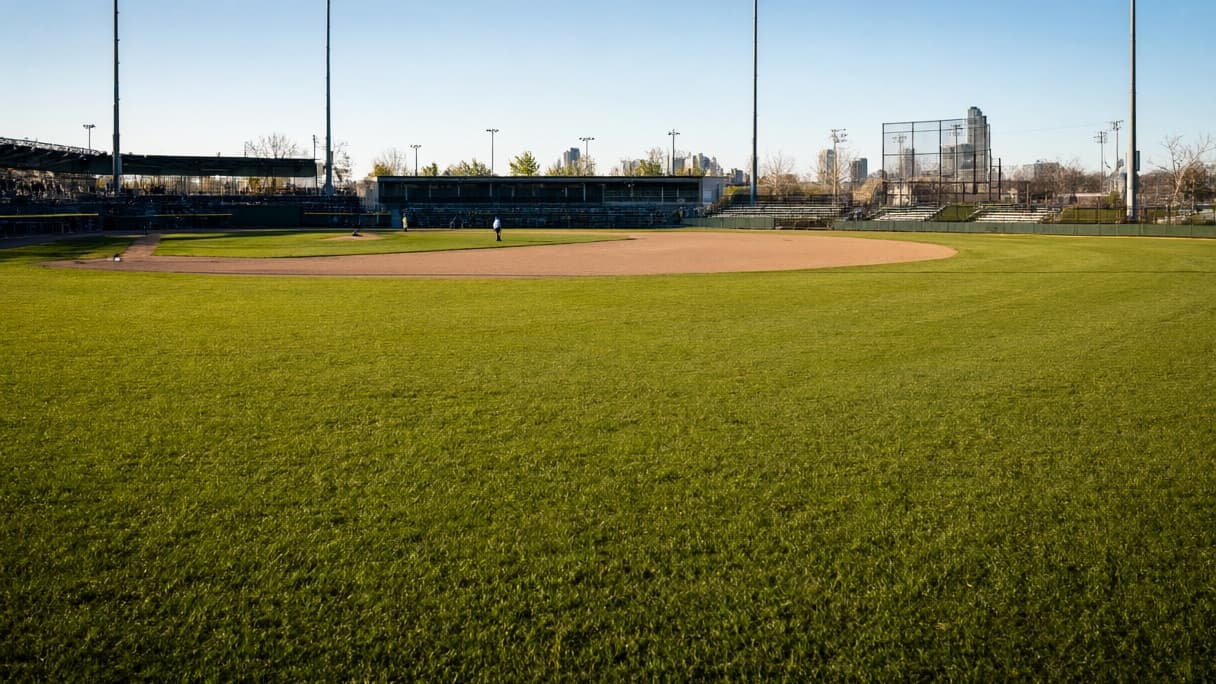
AI-generated image · Bay Street Wire
The league is experimenting with restricted outfield alignments at Salt River Fields to increase doubles and triples.
Major League Baseball is testing new rules to restrict where outfielders can position themselves during at-bats, according to Sportsnet. The experiment, currently limited to games at Salt River Fields in the Arizona Fall League, uses a video board above home plate to signal to players whether they are in the correct spot. A green "O" indicates correct positioning, while a red "X" warns players they are out of place.
According to Sportsnet, the goal is to force outfielders to play "straight up" rather than adjusting for the tendencies of individual hitters. This shallow positioning is intended to spur more doubles and triples. Minnesota Twins prospect Kyle DeBarge noted that the rules make it harder to cut off hits in the gap. Washington Nationals prospect Teo Banks added that while the rules lead to more running, they remove certain elements of strategy.
In one game where Scottsdale defeated Salt River 15-8, the experiment contributed to an Arizona Fall League record of five triples, as reported by Sportsnet. In addition to outfield restrictions, infielders are facing new requirements that limit shifting when no runners are on base.
MLB is pursuing these changes as offensive numbers have remained largely stagnant since the 2023 rules package. Sportsnet reports that between 2022 and 2026, batting averages only moved from .243 to .244, and runs per game rose slightly from 4.28 to 4.48. Salt River manager Ted Tom stated the intention is to create more action for the fans. While the AFL has previously tested the Automated Ball-Strike system, MLB has not officially commented on the current experiment and indicated that any changes to big-league rules are still years away.