
MLB Retreats on Escrow Demand, But Union Sees Same Old Game

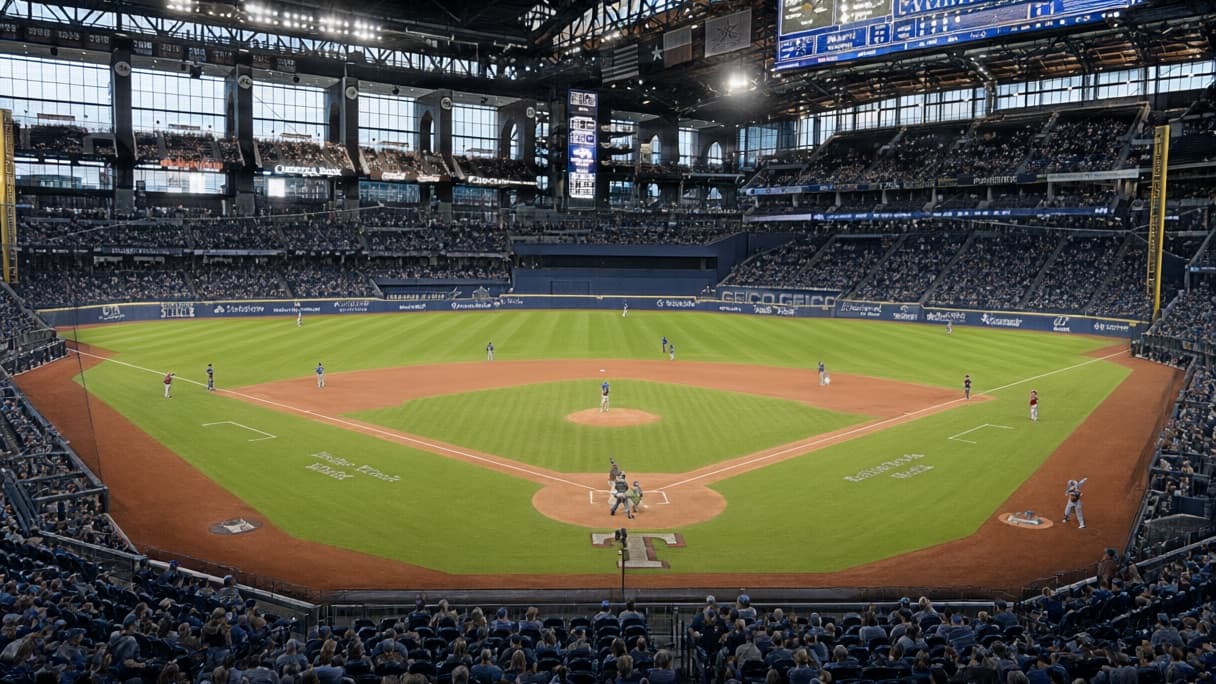
AI-generated image · Bay Street Wire
Commissioner Rob Manfred's office drops the clawback provision in its salary cap proposal, yet MLBPA head Bruce Meyer warns the move is merely a tactical shift to suppress wages.
OPINION: Let’s be clear—the league is finally blinking on the escrow issue, but don't mistake a tactical retreat for a genuine olive branch to the union. MLB is playing a shell game with the numbers, and the union is right to keep its guard up.
As Sportsnet first reported, Major League Baseball has officially withdrawn its demand for an escrow provision that was a central pillar of its salary cap proposal. Under the previous plan, a portion of individual player salaries would have been withheld and potentially clawed back if the revenue share allocated to players exceeded the specified percentage. The players' association fought this aggressively, arguing that such a mechanism would effectively dismantle the guarantee provisions of player contracts.
In a statement cited by Sportsnet, baseball spokesman Glen Caplin claimed that union leadership had spent months mischaracterizing the escrow issue as the end of guaranteed contracts. Caplin asserted that by withdrawing the proposal, MLB has removed any doubt that guaranteed contracts will remain fully guaranteed under the proposed salary cap and floor system.
However, the league isn't simply abandoning the concept of revenue balancing. Sportsnet reports that MLB now proposes that any overage or underpayment resulting from a 50-50 revenue split be accounted for in subsequent seasons. Furthermore, MLB indicated it would maintain the ability to take up to two years to account for revenue lags.
Union head Bruce Meyer was not buying the gesture. In a statement reported by Sportsnet, Meyer argued that the new proposal is simply a different method of achieving the same goal: reducing player salaries and limiting freedom of movement. Meyer noted that instead of withholding money annually, the league now intends to take that money from players in the following year, which he claims pits current players against future ones.
As the clock ticks toward the Dec. 1 deadline at 11:59 p.m. ET, the tension remains high. Sportsnet notes that management is expected to initiate a lockout—the 10th work stoppage since 1972—which would freeze all trades and signings. The sport is still haunted by the 99-day lockout that began on Dec. 2, 2021, and ended on March 10, 2022, which delayed the start of that season.
Amidst the cap dispute, the union has introduced its own requests. Sportsnet reports that players are asking for money donated to team charities to be deducted from salaries when calculating luxury tax payrolls. Additionally, the union has proposed a new competitive integrity tax that would be levied against low-spending clubs.
With the next season scheduled to begin on March 24, the two sides remain deadlocked on the fundamental philosophy of the cap, regardless of whether the clawbacks happen this year or next.