
Ford's Hardline Stance Threatens Ottawa's Trade Leverage

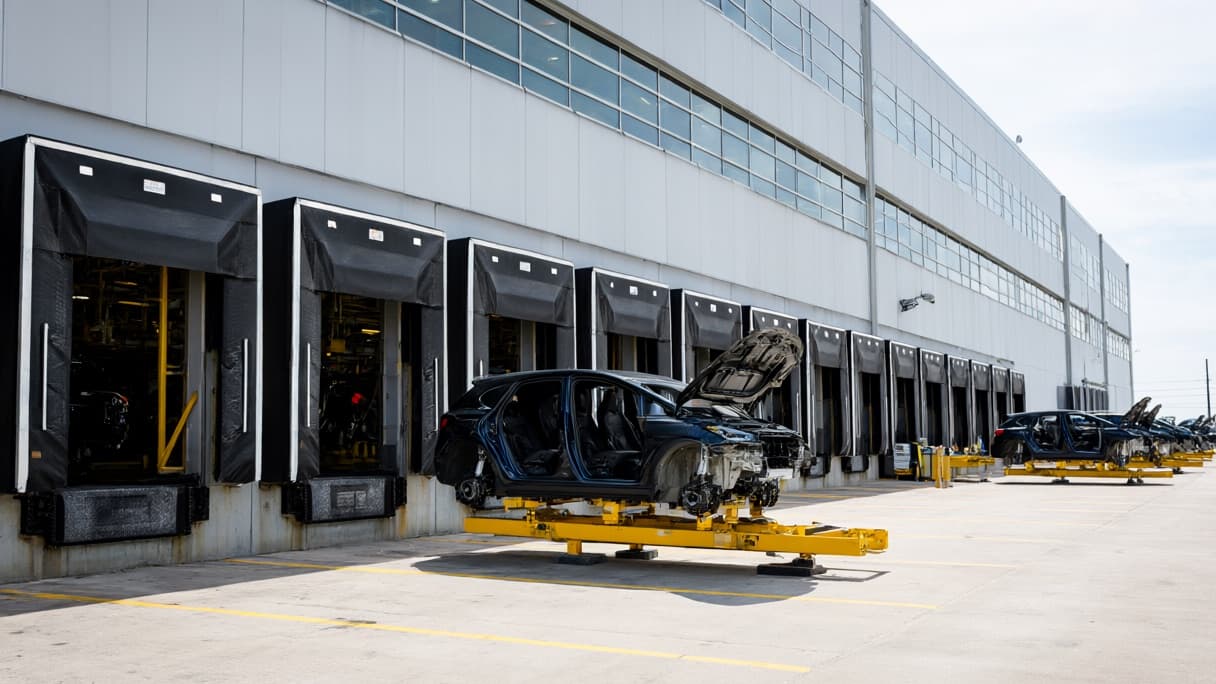
AI-generated image · Bay Street Wire
By demanding industry-specific approval for an interim US deal, Ontario's Premier is signaling a shift toward provincial protectionism that could undermine federal negotiations.
### ANALYSIS
Ottawa is seeking an "interim deal" to provide tariff relief and resolve trade irritants ahead of broader Canada-U.S.-Mexico renegotiations. However, as reported by Global News Toronto, Ontario Premier Doug Ford has signaled a hardline approach that could complicate federal leverage.
Speaking to the Calgary Chamber of Commerce and the Toronto Region Board of Trade on Monday, Ford stated he will not support a trade agreement without the direct approval of Ontario's manufacturing, steel, and auto sectors. Ford noted he would only be "all in" if these sectors confirmed they could survive and grow under the proposal's terms.
This follows the collapse of August trade talks. According to Global News Toronto, Prime Minister Mark Carney had requested provinces restore American alcohol to liquor shelves as a gesture of good faith—a request the premiers rejected. Negotiations were further stalled by US tariffs on Canadian autos; while the US proposed reducing tariffs from 25% to 15%, sources told Global News Toronto the offer lacked a carve-out for CUSMA-compliant goods.
Ford rejected the August proposal after labor leaders and automakers warned the Liberal government that the deal would "annihilate the auto sector."
The tension highlights a rift in Canada's strategy. Government sources cited by Global News Toronto describe a three-pronged approach by the Carney government: resolving outstanding trade issues, partnering with the US on energy and defence, and finalizing a new free trade agreement.
While Alberta Premier Danielle Smith supports this approach—suggesting a window exists for US President Donald Trump to secure a "big, beautiful deal" before year-end—Ford's insistence on a sectoral veto shifts the goalposts for Ottawa.
Diverging optimism further complicates the path. While US Trade Representative Jamieson Greer told Fox News on Sunday that a deal is "fairly close," Canada's chief negotiator, Janice Charette, told the Prime Minister’s Advisory Committee on Canada–U.S. Economic Relations on Thursday that several issues remain unresolved, according to three sources.