
Education Minister Reverses Decision to Delay Trustee Swearing-In

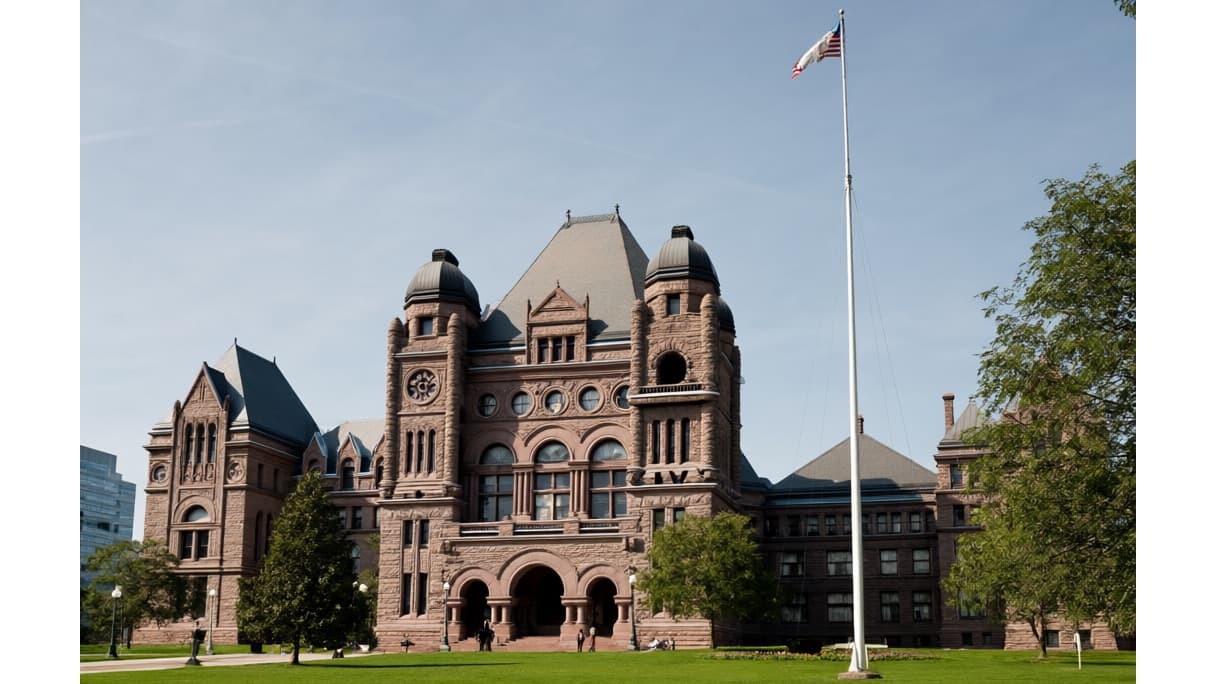
AI-generated image · Bay Street Wire · Based on a photo by User:K.lee (CC BY 2.5, Wikimedia Commons)
Paul Calandra cites concerns over code of conduct violations after initially planning to sideline elected officials at supervised school boards.
Ontario Education Minister Paul Calandra has reversed a plan to delay the swearing-in of elected school trustees, as CBC Toronto first reported. The reversal comes after Calandra indicated he feared that officials who were not officially sworn in would use their status to bypass established code of conduct rules.
The government led by Premier Doug Ford has placed several school boards under direct provincial supervision, including the Ottawa Carleton board, the Toronto public and Toronto Catholic boards, and two major boards in the Peel Region. While candidates ran in Monday's elections, those seeking seats on English-speaking public supervised boards faced the possibility of not being sworn in. Calandra admitted to reporters at Queen’s Park on Thursday that it had been his intention to delay the process, but reversed course after hearing reports that some trustees were "excited" by the prospect of not being subject to the code of conduct.
This tension is exemplified by Maria Rizzo, a Toronto Catholic representative. Rizzo expressed frustration with the provincial government and announced plans to hold public meetings—potentially forming a "Toronto school board in exile"—in community centers, libraries, or church basements. Rizzo noted that these meetings would be live-streamed, a practice the province has banned at supervised boards.
In response, Calandra pointed to the role of the integrity commissioner, who investigates code of conduct violations. Rizzo characterized the minister's decision to swear in trustees as the "right thing" done for the "wrong reasons," asserting that the move was intended to rein in trustees rather than respect voters.
Even with the swearing-in proceeding, the power of elected trustees remains significantly diminished. The province has stripped trustees across Ontario of financial decision-making authority, transferring those responsibilities to newly created board CEOs, and shifted their role in collective bargaining to a body representing education directors. While trustees retain advocacy work—and Catholic trustees maintain control over denominational issues—this advocacy is intended to be paused at supervised boards, with no current timeline for their return to full control.