
Copper Rot and Router Floods: The Hardware Failure Behind the FAA Ground Stop

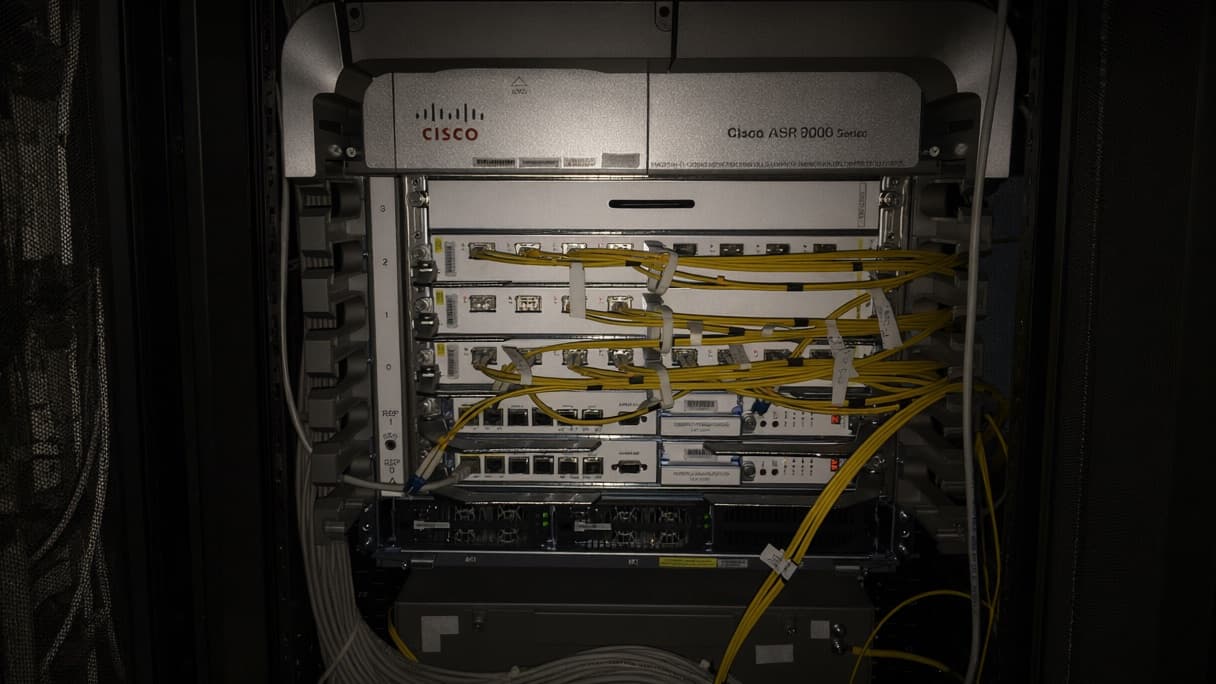
AI-generated image · Bay Street Wire · Based on a photo by The original uploader was Redfox hq at Romanian Wikipedia. (CC BY 3.0, Wikimedia Commons)
A 'routine' fiber upgrade triggered a systemic collapse, exposing the fragility of the National Airspace System's aging infrastructure.
When you're dealing with critical infrastructure, there is no such thing as 'routine maintenance' if the failure mode is systemic. The November 13, 2026, nationwide ground stop that paralyzed thousands of flights wasn't a software glitch in the modern sense—it was a hardware collision caused by the desperate attempt to excise legacy copper from the FAA's nervous system.
As The Verge first reported, Transportation Secretary Sean Duffy revealed that the outage stemmed from work at a "remote FAA facility" where outdated copper wire was being replaced with fiber optic lines. The copper was so antiquated it was being discontinued, making the upgrade a necessity. However, the transition turned into a catastrophe when a newly installed router began "flooding" other routers within the Air Traffic Control system.
From a hardware perspective, this is a nightmare scenario. Secretary Duffy told reporters that the system was hit with over 1,000 connection attempts every four to five seconds. This surge disrupted communication with aircraft and knocked out radar feeds, forcing the FAA to halt takeoffs across the country.
**Opinion:** This is a textbook example of the danger inherent in patching legacy systems. When you replace a dead-end copper line with high-speed fiber but the surrounding network architecture can't handle the resulting traffic or the new hardware is misconfigured, you don't get a performance boost—you get a denial-of-service attack on your own infrastructure.
Secretary Duffy admitted the root cause remains unclear, citing three possibilities: faulty hardware, a misconfigured router, or "incompetence" on the part of the contractor, L3Harris. For its part, L3Harris issued a statement via The Verge noting that they have completed more than 70% of the planned conversion from legacy copper to fiber optic systems in coordination with the FAA and telco partners. L3Harris stated they are supporting the FAA's investigation into the conditions that led to the ground stop.
While the FAA is attempting to modernize, the funding gap is creating a precarious environment. Secretary Duffy noted that while they are building "safely" and "fast," Congress has only provided a "partial payment" for the necessary work. The result is a system where the urgency to replace discontinued hardware is colliding with a lack of comprehensive funding, leaving the National Airspace System vulnerable to a single misconfigured router.