
Chow's Dangerous Gamble: Toronto's Solvency is Not a Political Pawn

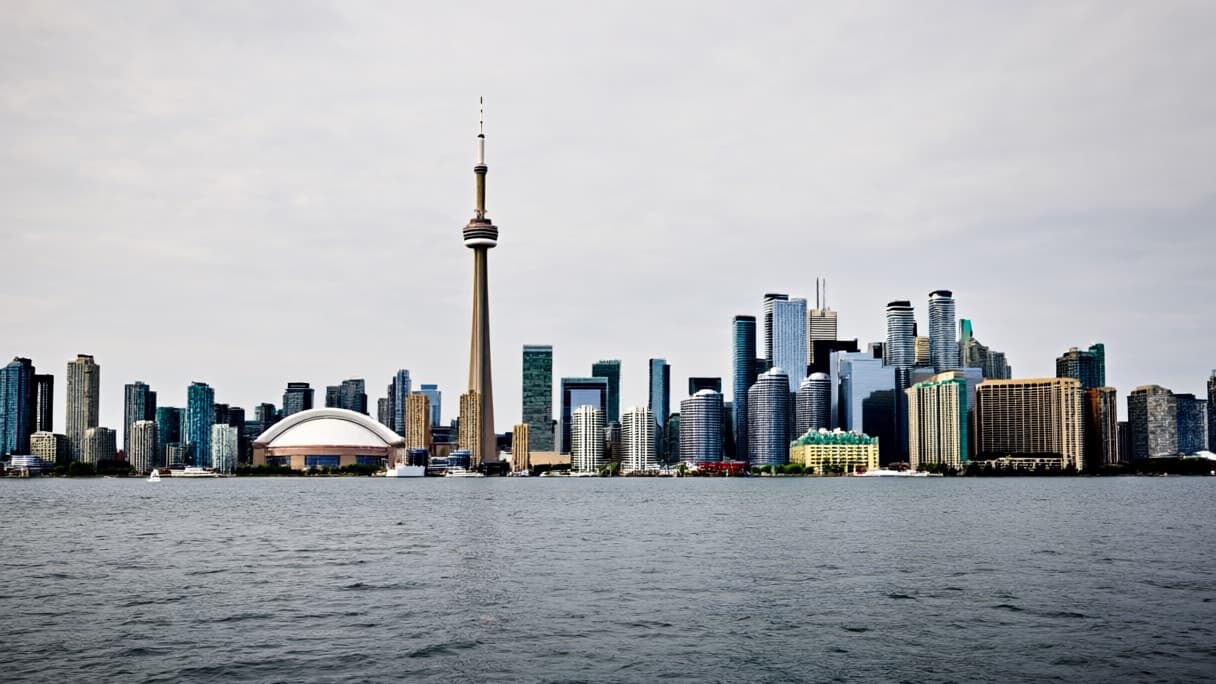
AI-generated image · Bay Street Wire
OPINION: Mayor Olivia Chow is walking into a buzzsaw with Premier Doug Ford, risking the city's financial stability on the hope of a 'new deal' that Queen's Park seems reluctant to grant.
Mayor Olivia Chow is entering the negotiation room with a sense of victory, but as CBC Toronto first reported, she may be drastically overestimating her leverage. Fresh off a re-election win with more than 500,000 votes, Chow is attempting to convince Premier Doug Ford to sign a second funding agreement to rescue a city facing a budget shortfall that could reach $1.1 billion.
Let's be clear: treating Toronto's financial stability as a bargaining chip in a political popularity contest is a recipe for disaster. While Chow believes her mandate gives her a seat at the table, the reality is that she is walking into a buzzsaw.
As reported by CBC Toronto, the province is currently grappling with its own fiscal nightmare. Finance Minister Peter Bethlenfalvy recently unveiled a mini budget forecasting a $16.9 billion deficit for the 2026-2027 fiscal year—a significant jump from the previous $13.8 billion estimate. With Bethlenfalvy blaming global instability and tariffs for the red ink, and the province pushing its path to balance back to 2029-30, the idea that Doug Ford is in a generous mood is a fantasy.
In 2023, Chow and Ford did strike a "new deal" that provided billions in relief and saw Ontario take over maintenance costs for the Don Valley Parkway and the Gardiner Expressway. But as Coun. Shelley Carroll told CBC Toronto, that first agreement was a "stop-gap approach." The city is now hunting for a long-term solution, yet the signals coming from Queen's Park are chillingly dismissive.
While Premier Ford has publicly spoken of a "great partnership" and noted that his government has given Toronto more money than any previous administration, his ministers are telling a different story. Minister of Municipal Affairs and Housing Rob Flack told CBC Toronto he wasn't even aware of specific negotiations for a new deal and suggested a decision on whether to even enter talks hadn't been "fully made yet."
Chow is attempting to pivot away from her election numbers, telling reporters that she represents the "economic engine of Canada" regardless of whether she has 530,000 votes. It is a noble sentiment, but sentiment doesn't balance a billion-dollar budget hole.
Toronto cannot afford to rely on the hope that Ford will feel a sudden surge of civic generosity while the provincial deficit balloons. By framing this as a negotiation based on political track records and mandates, the city is gambling with its essential services. If the province decides it simply cannot afford to keep spending—a sentiment echoed by the Montreal Economic Institute's call for provincial spending cuts reported by CBC Toronto—the city will be left holding the bag.
City Hall's optimism is misplaced. When the province is delaying its own path to balance, a "new deal part two" isn't a guarantee; it's a long shot. Toronto's financial survival should be based on sustainable fiscal policy, not on whether the Mayor can convince the Premier to play the hero one more time.