
Billion-Dollar Bet: Can Local Food Hubs Break the Grocery Giants?

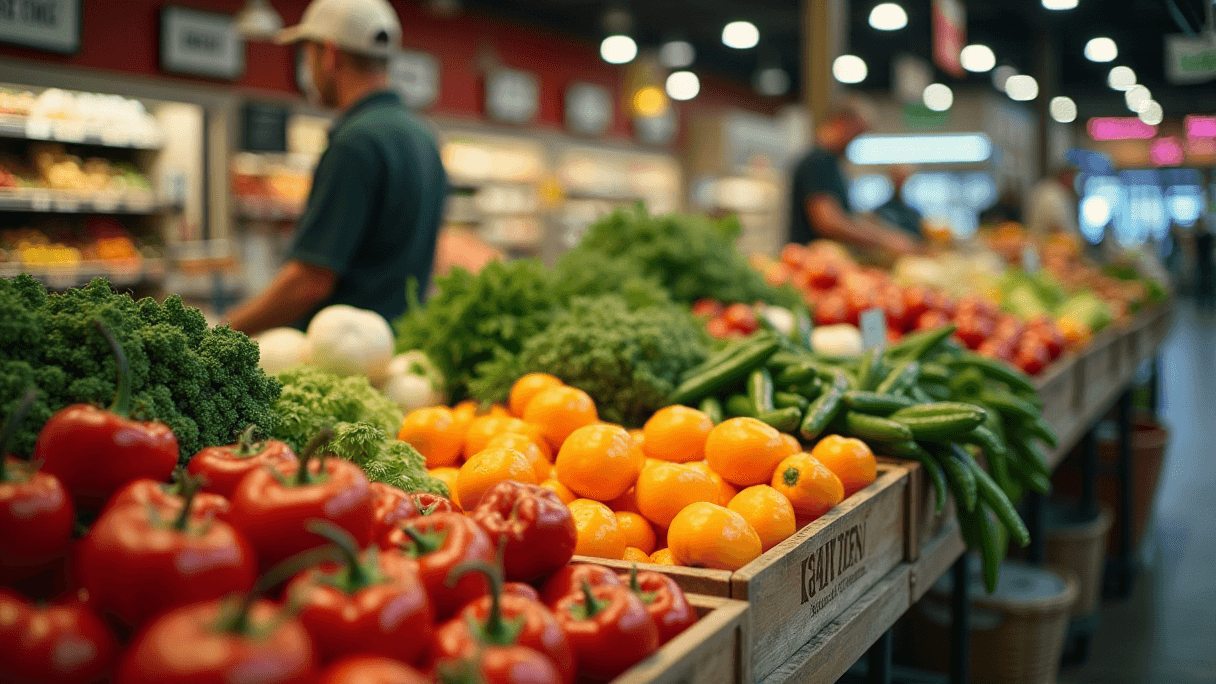
AI-generated image · Bay Street Wire
The Carney government is pledging $1 billion to empower farmers, but the real question is whether this strategy will actually lower Canadians' food bills.
The Carney government has unveiled a national food security strategy targeting a grocery market where just five retail chains control 75% of sales, as CBC first reported. The centerpiece is a 10-year, $1-billion fund designed to establish up to 40 local food hubs across Canada to reduce consolidation and empower farmers.
For many producers, the need for alternatives is visceral. Rose Viaene, a P.E.I. farmer, told CBC News that she and her husband, David, once destroyed their own garlic crop rather than accept a 50-cent-per-pound offer from large retailers—a price that fell far short of their $7 production cost. Jenn Pfenning, president of the National Farmers Union, notes that this power imbalance allows a small number of organizations to effectively dictate product pricing.
Food hubs, such as Growers Station in Charlottetown run by Ann Higgs, offer a mechanism to bypass this stranglehold. By coordinating orders from small grocers, restaurants, and community groups, these hubs help small-scale farmers establish direct customer relationships. However, the systemic grip of the giants remains. Krunal Patel, owner of Crapaud General Store, told CBC's The House that while he sources fresh produce from Growers Station, he must still buy dry goods from wholesalers owned by his competition, such as Sobeys-owned TRA Atlantic.
While experts cited by CBC News acknowledge that these hubs could help wrest control from large chains, some remain skeptical that the move will translate into lower grocery bills for consumers. Loblaw told CBC it balances local support with factors like affordability and capacity, but for the average shopper, the question remains: is this a structural shift or merely expensive window dressing?